Section I · Foundation
What is Sleep? The Active Brainनींद क्या है? — यह बंद होना नहीं, एक सक्रिय जैविक प्रक्रिया है
नींद एक प्राकृतिक, चक्रीय और पूर्णतः सक्रिय जैविक अवस्था है — जिसमें मस्तिष्क शरीर की मरम्मत, यादें संग्रहीत करने और भावनात्मक प्रक्रियाएँ पूरी करने का काम करता है। यह "बंद होना" नहीं — बल्कि एक आंतरिक जीवन-रक्षा प्रणाली का सक्रिय होना है।
Sleep is a naturally recurring, reversible state of reduced consciousness, characterised by altered brain activity. Far from passive "downtime," sleep is one of the most metabolically active states the human brain enters — performing critical maintenance that wakefulness simply cannot provide.
Why Sleep is Not "Switching Off"
A sleeping brain consumes nearly as much energy as one that is awake. During deep (N3) sleep, the brain orchestrates glymphatic toxin clearance, memory transfer, hormone secretion, and cellular repair — processes that are physiologically impossible during wakefulness.
नींद के दौरान मस्तिष्क कई ज़रूरी काम करता है — जैसे ज़हरीले प्रोटीन की सफाई (Glymphatic System), यादों को मज़बूत करना, हार्मोन का स्राव, और कोशिकाओं की मरम्मत। जो काम जागते हुए नहीं हो सकते।
Six Core Functions of Sleep
1
Glymphatic Brain Cleansing: During deep sleep, the glymphatic system expands by up to 60%, flushing toxic proteins including amyloid-beta (implicated in Alzheimer's disease) and tau proteins from between brain cells.गहरी नींद में मस्तिष्क का Glymphatic System 60% फैल जाता है और हानिकारक प्रोटीन साफ करता है — Alzheimer's की रोकथाम में अहम भूमिका।
2
Memory Consolidation: During NREM sleep, the hippocampus replays the day's experiences and transfers them to the cortex for long-term storage. Students who sleep after studying retain 40% more than those who stay awake.NREM नींद में Hippocampus दिन की यादें Cortex में Transfer करता है — इसीलिए सोने के बाद परीक्षा में बेहतर याद रहता है।
3
Emotional Regulation: REM sleep processes difficult emotional memories, reducing their charge — described as "overnight therapy." Sleep-deprived people show 60% greater amygdala reactivity to negative stimuli.REM नींद कठिन यादों की भावनात्मक तीव्रता कम करती है। इसीलिए सोने के बाद दुख और चिंता कम लगती है।
4
Growth Hormone Release: 70–80% of daily growth hormone is released in N3 (deep) sleep — critical for tissue repair, muscle synthesis, fat metabolism, and immune function across all life stages.गहरी नींद (N3) में 70-80% Growth Hormone निकलता है — बच्चों के विकास और शरीर की मरम्मत के लिए ज़रूरी।
5
Immune Strengthening: People sleeping fewer than 7 hours are 3× more likely to catch a cold. Cytokine production, natural killer cell activity, and antibody responses all peak during sleep.7 घंटे से कम सोने वाले लोगों में सर्दी-ज़ुकाम का खतरा 3 गुना ज़्यादा होता है।
6
Cardiovascular Recovery: Blood pressure drops 10–20% during NREM sleep (nocturnal dipping). Chronic poor sleepers show elevated arterial stiffness, higher resting heart rate, and significantly increased cardiovascular risk.NREM नींद में Blood Pressure 10-20% गिरता है — हृदय को आराम मिलता है। खराब नींद हृदय रोग का खतरा बढ़ाती है।
📊 Key Research Finding
A landmark 2019 study in Nature Communications found that adults sleeping fewer than 6 hours per night had a 30% increased risk of dementia, independent of all other risk factors. A 2019 review in JAMA Internal Medicine confirmed that chronic sleep deprivation accelerates biological aging by 3–5 years.
6 घंटे से कम सोने वाले वयस्कों में Dementia का खतरा 30% बढ़ जाता है और जैविक उम्र 3-5 साल तेज़ी से बढ़ती है।
Section II · Neuroscience
The Neurobiology of Sleepनींद का मस्तिष्क-विज्ञान — कौन से हिस्से नींद बनाते हैं?
Sleep is the coordinated output of multiple interacting neural systems. Understanding these systems explains why psychiatric conditions, substances, and diseases so profoundly disrupt sleep architecture.
🎯Suprachiasmatic Nucleus (SCN)शरीर की जैविक घड़ीThe master circadian clock in the hypothalamus. Receives light input directly from the retina via the retinohypothalamic tract. Synchronises all 24-hour biological rhythms. The 2017 Nobel Prize in Medicine was awarded for discovering its molecular clock genes (CLOCK, BMAL1, PER, CRY).
🔀VLPO — The Sleep Switchनींद का मुख्य स्विचVentrolateral Preoptic Nucleus fires GABAergic inhibitory signals that silence all wake-promoting regions simultaneously — tipping the brain from wakefulness into sleep. Analogous to a light switch: once enough sleep pressure accumulates, the VLPO flips "on."
⚡Orexin System (LHA)जागने का स्थिरीकरण बलOrexin/Hypocretin neurons in the lateral hypothalamus stabilise wakefulness. Loss of these neurons causes narcolepsy. Caffeine works partly by blocking adenosine (which would suppress orexin). New-generation sleep medications (suvorexant, lemborexant) block orexin to promote sleep.
💤Brainstem REM GeneratorREM नींद का जनकCholinergic neurons in PPT/LDT nuclei drive REM sleep, generating PGO waves and muscle atonia. Noradrenergic locus coeruleus neurons fall completely silent during REM — allowing vivid dreaming without logical reality-checking.
🧽Glymphatic Systemमस्तिष्क की सफाई प्रणालीA perivascular waste-clearance system 10× more active during sleep than wakefulness. Uses cerebrospinal fluid to flush amyloid-beta, tau, and metabolic waste products. Dysfunction is directly linked to Alzheimer's pathology.
🌀Thalamus — Sensory Gatewayसंवेदना का द्वारपालGenerates sleep spindles and K-complexes that "gate" incoming sensory information during sleep — filtering out irrelevant stimuli while allowing threat-relevant signals through. Critically involved in memory consolidation during N2 sleep.
Key Neurotransmitters
| Neurotransmitter | Role in Sleep | Hindi |
|---|
| GABA | Primary inhibitory driver of sleep onset — silences arousal systems | नींद शुरू करने वाला |
| Adenosine | Sleep pressure molecule — accumulates during wakefulness; caffeine blocks it | नींद का दबाव बनाता है |
| Melatonin | Darkness-triggered signal from pineal gland — tells SCN "it is night" | अंधेरे में निकलने वाला हार्मोन |
| Orexin | Stabilises wakefulness — deficiency causes narcolepsy | जागरण स्थिरता |
| Acetylcholine | Drives REM sleep — peaks during REM, minimal during NREM | REM नींद चालक |
| Serotonin | Promotes wakefulness; melatonin precursor — SSRIs often suppress REM | जागरण और मूड |
| Norepinephrine | Arousal and vigilance — falls completely silent during REM | सतर्कता — REM में बंद |
| Histamine | Powerful wakefulness promoter — antihistamines cause drowsiness by blocking it | जागरण प्रवर्तक |
Section III · Architecture
Sleep Architecture — NREM & REMनींद की संरचना — NREM और REM क्या है?
A full night's sleep is not uniform. It cycles through distinct stages approximately every 90 minutes, each with different physiological signatures and biological functions.
N2 · 50%N2 — Light Sleep · याद्दाश्त
Stage N1 — Light Transition (1–5 min)
N1 — जागने और सोने के बीचAlpha waves give way to theta waves. Hypnic jerks (sudden muscle twitches) occur here. Easily awakened. People often deny being asleep during N1 — this "sleep misperception" is common in insomnia and anxiety disorders. Body temperature begins its nightly decline.
Stage N2 — Core Sleep (10–25 min per cycle, 50% of total night)
N2 — असली नींद की शुरुआत — याद्दाश्त की प्रक्रिया यहाँ होती हैTrue sleep begins. EEG shows sleep spindles (12–15 Hz bursts) and K-complexes. Spindles are critical for memory consolidation — they shuttle information from hippocampus to cortex. Heart rate and body temperature continue declining. Constitutes 50% of total adult sleep time.
Stage N3 — Deep / Slow-Wave Sleep (20–40 min, concentrated early night)
N3 — गहरी नींद — मस्तिष्क की सफाई, Growth Hormone, शरीर की मरम्मतMost restorative stage. Large, slow delta waves (0.5–2 Hz). Glymphatic system is maximally active. Growth hormone released in large pulses. Immune function boosted. Extremely difficult to arouse. Parasomnias (sleepwalking, night terrors) emerge from this stage. Decreases markedly with age and alcohol consumption.
REM Sleep — Rapid Eye Movement (10–60 min, concentrated late night)
REM — सपनों की नींद — भावनात्मक उपचार, रचनात्मकता, REM रात के अंतिम हिस्से मेंBrain activity nearly matches wakefulness, yet the body is paralysed (muscle atonia via glycine/GABA). Eyes move rapidly beneath closed lids. Vivid, narrative dreaming occurs. Emotional memory processing and creative insight are key functions. Most abundant in the final 2–3 hours of sleep. SSRIs, alcohol, and cannabis markedly suppress REM.
🎓 Critical Insight for Students
REM sleep occurs predominantly in hours 6–8 of the night. Sleeping only 5 hours instead of 8 cuts your REM time by approximately 60–70%, not 37.5%. Students who sacrifice the last 3 hours of sleep for study are losing the brain state most responsible for creative problem-solving and exam performance.
5 घंटे की नींद में आप REM का 60-70% खो देते हैं। कोटा के छात्र जो रात 2 बजे से 6 बजे तक पढ़ते हैं — वे सबसे ज़रूरी Memory Consolidation और Creativity की नींद खो रहे हैं।
Section IV · Chronobiology
Circadian Rhythms & Chronotypesशरीर की जैविक घड़ी — Morning Bird बनाम Night Owl
The word "circadian" comes from Latin circa dies — "about a day." Every cell in the human body contains molecular clock genes (CLOCK, BMAL1, PER, CRY) running on ~24-hour cycles. The 2017 Nobel Prize in Medicine was awarded for discovering these mechanisms.
2017 का नोबेल पुरस्कार शरीर की जैविक घड़ी की खोज के लिए दिया गया। हर कोशिका में CLOCK जीन होते हैं जो 24 घंटे का चक्र नियंत्रित करते हैं।
🌅Morning Type (Lark)सुबह का पक्षीMelatonin release begins ~9–10 PM. Peak performance before noon. Naturally rises early. Lower depression and anxiety rates. Earlier core body temperature minimum. About 25% of the population. Genetically determined — not a character virtue.
🦉Evening Type (Owl)रात का पक्षीMelatonin release begins ~1–2 AM. Peak performance in evening. Higher creativity scores but higher depression risk when forced into early schedules. About 25% of population. Adolescence involves a biological shift toward eveningness — this is not laziness.
⚖️Intermediate (Neither)बीच का प्रकार (50% लोग)Majority of the population. Can function in either schedule with some adaptation. Most flexible to schedule demands. Social jet lag effects are less pronounced but still present with extreme schedule mismatches.
Social Jet Lag — The Hidden Epidemic
Social jet lag is the chronic misalignment between your biological clock and your social/work schedule — the equivalent of crossing 1–2 time zones every single week. Affects an estimated 70% of the working population. Consequences include metabolic syndrome, depression, cognitive impairment, and cardiovascular disease.
Social Jet Lag तब होता है जब आपका शरीर का समय और काम/स्कूल का समय मेल नहीं खाते। यह हर हफ्ते टाइमज़ोन बदलने जैसा है — डिप्रेशन, मोटापा, और हृदय रोग का खतरा बढ़ता है।
⚠️
Kota Coaching Students — Circadian Emergency
कोटा के Coaching Students में रात 2-3 बजे तक पढ़ाई और सुबह 6 बजे उठना — यह शरीर को हर दिन एक नया Time Zone देता है। इससे Memory Consolidation, एकाग्रता और मानसिक स्वास्थ्य सभी बुरी तरह प्रभावित होते हैं।
Kota's coaching culture enforces late-night study until 2–3 AM followed by 6–7 AM classes. This chronic circadian misalignment impairs the hippocampal memory consolidation occurring during nocturnal NREM sleep — making the very act of sacrificing sleep for study counterproductive.
Section V · Core Disorder
Insomnia — The Complete Guideअनिद्रा — सम्पूर्ण मार्गदर्शिका (ICD-11: 7A00)
अनिद्रा (Insomnia) वह स्थिति है जिसमें पर्याप्त नींद के अवसर के बावजूद: (1) सोने में कठिनाई हो, (2) नींद बार-बार टूटे, या (3) बहुत जल्दी आँख खुल जाए — और यह समस्या दिन के कामकाज को प्रभावित करे। हफ्ते में 3 रात से ज़्यादा और 3 महीने से ज़्यादा चले तो इसे Chronic Insomnia कहते हैं।
Insomnia Disorder (ICD-11: 7A00) is persistent difficulty initiating or maintaining sleep, or early morning awakening with inability to return to sleep — despite adequate opportunity — accompanied by significant daytime impairment. Occurring ≥3 nights/week for ≥3 months = Chronic Insomnia.
Types of Insomnia
⚡Acute Insomnia (Short-Term)तीव्र अनिद्रा — 1-3 सप्ताहTriggered by a specific stressor — exam, bereavement, job loss. Usually self-resolving once stressor resolves. Becomes chronic if hyperarousal patterns take hold. Sleep hygiene is the first-line intervention at this stage.
🔄Chronic Insomniaदीर्घकालिक अनिद्रा — 3+ महीनेPersists ≥3 months, ≥3 nights/week. Becomes self-perpetuating via conditioned arousal, sleep-related anxiety, and maladaptive behaviours. Requires formal CBT-I. Does not resolve spontaneously — in fact tends to worsen without treatment.
🔮Paradoxical Insomniaविरोधाभासी अनिद्राPatient reports severe insomnia but polysomnography shows objectively normal or near-normal sleep. "Sleep state misperception." Common in anxiety disorders. Needs CBT-I targeting catastrophic cognitions about sleep.
🧠Psychophysiological Insomniaमनोशारीरिक अनिद्राClassical conditioned insomnia — sleepy everywhere except in bed. The bedroom has become a conditioned trigger for wakefulness through repeated associative pairing. Stimulus control therapy is specifically designed for this subtype.
The Hyperarousal Model — Why Chronic Insomnia Persists
The most evidence-supported model holds that chronic insomniacs exist in a state of 24-hour neurobiological, cognitive, and physiological over-activation. This is not just a night-time problem:
- Physiologically: Elevated cortisol, elevated nocturnal heart rate, raised core body temperature at bedtime, increased whole-body metabolic rate during sleep
- Cognitively: Racing thoughts, catastrophic beliefs ("I'll never sleep"), intrusive pre-sleep worry, clock-watching, hyper-focus on sleep
- Behaviourally: Excessive time in bed, daytime napping to compensate, caffeine over-use, avoiding activities for fear of poor sleep, using phone in bed
- Neurologically: EEG studies show excess high-frequency beta activity during sleep — the insomniac brain never truly powers down
Chronic Insomnia में व्यक्ति 24 घंटे अत्यधिक सक्रिय (Hyperaroused) रहता है — रात को उसका मस्तिष्क बंद नहीं होता। यही कारण है कि सिर्फ दवाएँ काम नहीं करतीं — मूल समस्या Cognitive और Behavioural है।
Spielman's 3P Model
📋 Clinical Framework
Predisposing: Genetic vulnerability, anxiety-prone temperament, female sex (2× higher risk), family history — these lower the threshold for insomnia to develop.
Precipitating: The trigger — a stressful life event, medical illness, bereavement, divorce, academic pressure. These initiate acute insomnia.
Perpetuating: Behaviours and cognitions that maintain insomnia after the original trigger has resolved — excessive time in bed, napping, catastrophic thinking, screen use at night. CBT-I specifically targets perpetuating factors.
3P Model: Predisposing (जन्मजात), Precipitating (trigger कारण), Perpetuating (बनाए रखने वाला) — CBT-I Perpetuating Factors को ठीक करती है।
When to See Dr. Akash Parihar
🔴 Consult a Doctor NOW
- Sleep problems lasting more than 3 weeks
- Taking sleeping pills every night
- Waking at 3–4 AM unable to return to sleep
- Severe daytime impairment
- Sleep problems with depression or anxiety
- Nightmares, sleepwalking, or sleep paralysis
इनमें से कोई भी हो — Dr. Akash Parihar से मिलें: +91-7300342858
🟢 Try Self-Help First
- Occasional sleep difficulty (under 3 weeks)
- Jet lag or travel disruption
- Temporary stress-related poor sleep
- Mild schedule changes affecting sleep
Section XV का 7-Step Protocol आज़माएँ।
Section VI · Breathing Disorder
Sleep Apnea — The Silent Killerस्लीप एपनिया — नींद में साँस रुकना (ICD-11: G47.3)
Sleep Apnea एक गंभीर नींद विकार है जिसमें नींद के दौरान साँस बार-बार रुकती है — कभी-कभी 10 से 90 सेकंड तक, और रात में 100+ बार। इससे रक्त में ऑक्सीजन गिरती है, मस्तिष्क आंशिक रूप से जागता है, और गहरी नींद बाधित होती है।
Sleep apnea involves repeated cessation of airflow during sleep (≥10 seconds, ≥5 events/hour), causing oxygen desaturation and sleep fragmentation. It is profoundly underdiagnosed — estimates suggest 80% of moderate-to-severe cases remain undetected worldwide.
😤Obstructive Sleep Apnea (OSA)रुकावट-जनित एपनिया (95%)Upper airway physically collapses during sleep despite continued breathing effort. Risk factors: obesity, large tonsils, retrognathia, nasal obstruction, male sex, age. Classic triad: loud snoring + witnessed apneas + excessive daytime sleepiness.
🧠Central Sleep Apneaकेंद्रीय एपनिया — मस्तिष्क साँस भूल जाता हैBrain fails to send breathing signals to respiratory muscles. No snoring. Associated with heart failure, brainstem disorders, high-altitude exposure, and opioid use. Treatment targets the underlying cause.
⚖️OHS — Obesity Hypoventilationमोटापे से जनित HypoventilationSeverely obese patients with daytime CO₂ retention (hypoventilation). High mortality if untreated. Requires BiPAP ventilation. Often misdiagnosed as hypothyroidism, depression, or "just being overweight."
Warning Signs of Sleep Apnea
| Symptom | Hindi | Significance |
|---|
| Loud habitual snoring | तेज़ और नियमित खर्राटे | Present in 95% OSA cases |
| Witnessed breathing pauses | साँस रुकते हुए देखना (partner द्वारा) | Most specific sign of OSA |
| Waking gasping or choking | घबराकर साँस लेते उठना | High diagnostic specificity |
| Excessive daytime sleepiness | दिन में बहुत नींद (पूरी रात सोने के बाद भी) | Due to sleep fragmentation |
| Morning headaches | सुबह सिरदर्द | From nocturnal hypercapnia |
| Memory and concentration problems | याददाश्त और एकाग्रता कमज़ोर | Due to fragmented sleep architecture |
| Nocturia (frequent night urination) | रात को बार-बार पेशाब | From elevated ANP hormone release |
❗
Why Sleep Apnea is Called the "Silent Killer"
Untreated Sleep Apnea से: हृदय रोग का खतरा 2-3 गुना, Stroke 4 गुना, Type-2 Diabetes 3 गुना, वाहन दुर्घटना 7 गुना बढ़ती है। फिर भी 80% मामले बिना निदान के रहते हैं। Polysomnography (Sleep Study) diagnosis के लिए ज़रूरी है।
Untreated OSA increases heart disease risk by 2–3×, stroke by 4×, type 2 diabetes by 3×, and road accident risk by 7×. It is also a leading cause of treatment-resistant hypertension. Definitive diagnosis requires polysomnography (sleep study). CPAP therapy is highly effective when used consistently.
Section VII · Unusual Sleep Events
Parasomnias — When Sleep Goes Strangeपैरासोम्निया — नींद में अजीब और डरावनी घटनाएँ
Parasomnias are abnormal behaviours, experiences, or physiological events arising from sleep or sleep-wake transitions. They range from benign (childhood sleepwalking) to medically urgent (REM Sleep Behaviour Disorder as an early Parkinson's marker).
🚶Sleepwalkingनींद में चलनाNREM · N3Complex behaviours during N3 sleep — walking, eating, occasionally driving. Eyes open but vacant. No memory on awakening. Common in children (15–30%). Usually resolves at puberty. Triggered by sleep deprivation, fever, stress, or medications (zolpidem, quetiapine).
😱Night Terrorsरात का आतंकNREM · N3Sudden arousal from N3 with screaming, intense fear, and autonomic arousal. No memory. Cannot be comforted. Distinguished from nightmares by: occurring in NREM (not REM), no memory, extreme autonomic activation. Peak age 4–12 years. Stress and sleep deprivation are precipitants.
😶Sleep Paralysisनींद में शरीर जम जानाREM · TransitionTemporary inability to move or speak at sleep onset or awakening. REM atonia persists into wakefulness. Often with vivid hallucinations and intense fear. Lifetime prevalence: 7.6%. Common in sleep-deprived, anxious, and shift-working individuals. Often culturally interpreted as ghosts or supernatural entities.
🥊REM Sleep Behaviour DisorderREM नींद व्यवहार विकार (RBD)REM · AdultMuscle atonia fails during REM — patients physically enact their dreams: punching, kicking, shouting. Risk of serious self-injury and partner injury. Idiopathic RBD is a prodromal Parkinson's disease marker: 80–90% of patients develop Parkinsonism within 10–15 years. Clonazepam or high-dose melatonin are effective treatments.
💥Exploding Head Syndromeसिर में विस्फोट का एहसासHypnagogicSudden loud imagined noise or explosion sensation at sleep onset. No pain, but extremely frightening. Benign but under-reported. Prevalence ~10%. Associated with sleep deprivation and high stress. Requires patient education and sleep optimisation — not medication.
🌃Nightmaresबुरे सपनेREMDisturbing dreams that awaken the sleeper with full recall. When recurring and distressing: Nightmare Disorder. Strongly associated with PTSD, trauma, depression. Certain medications worsen nightmares (beta-blockers, SSRIs, prazosin can help in PTSD). Imagery Rehearsal Therapy (IRT) is the evidence-based treatment.
Section VIII · Excessive Sleepiness
Hypersomnia & Narcolepsyअत्यधिक नींद और नार्कोलेप्सी
While insomnia involves too little sleep, hypersomnias involve excessive daytime sleepiness or prolonged night sleep that impairs functioning — frequently misdiagnosed for years as depression, laziness, or metabolic disorders.
😴Idiopathic Hypersomniaअज्ञात कारण की अत्यधिक नींदExcessive sleepiness despite sleeping 9–11 hours. Sleep is completely unrefreshing. Severe sleep inertia ("sleep drunkenness") lasting 1–2 hours after waking. Normal REM latency distinguishes it from narcolepsy. Often misdiagnosed for years. Modafinil and lifestyle adjustments are primary treatments.
⚡Narcolepsy Type 1नार्कोलेप्सी — अचानक नींद के दौरेCaused by autoimmune destruction of orexin neurons (90% loss). The tetrad: irresistible sleep attacks, cataplexy (sudden muscle weakness triggered by strong emotion), sleep paralysis, and hypnagogic hallucinations. Onset typically in adolescence or early adulthood. Lifelong — but well-manageable with stimulants and sodium oxybate.
😪Kleine-Levin Syndrome ("Sleeping Beauty Syndrome")सोने की बीमारी — महीनों में एक बार, दिन में 18-22 घंटे नींदEpisodic hypersomnia: sleeping 18–22 hours/day for days to weeks, interspersed with complete normalcy. During episodes: cognitive impairment, hyperphagia (compulsive eating), and hypersexuality are characteristic. Predominantly affects adolescent males. Usually self-resolving by the mid-20s. No proven treatment; lithium may reduce episode frequency.
Section IX · Movement & Sensation
Sleep-Related Movement Disordersनींद से जुड़े गति विकार
🦵Restless Legs Syndrome (RLS)पैरों में बेचैनी — Willis-Ekbom DiseaseIrresistible urge to move legs at rest, especially in the evening — described as "crawling," "burning," or "electric" sensations inside legs. Relieved by movement. Major cause of sleep-onset insomnia. Linked to iron deficiency (check serum ferritin — target >75 µg/L) and dopamine dysfunction. Affects 5–10% of adults. Dramatically underdiagnosed.
⚡Periodic Limb Movement Disorderनींद में पैरों का बार-बार हिलना (PLMD)Repetitive, stereotyped leg movements during sleep — typically every 20–40 seconds. Patient is unaware; bed partner reports the problem. Causes sleep fragmentation and daytime fatigue. Often co-occurs with RLS. Iron supplementation and dopaminergic agents are effective.
😬Sleep Bruxism (Teeth Grinding)नींद में दाँत पीसनाGrinding or clenching during sleep causing dental erosion, jaw pain (TMJ disorder), and morning headaches. Prevalence 8–13% of adults. Markedly worsened by stress, anxiety, SSRIs, and caffeine. Treatment: occlusal splints (most effective), stress management, and CBT for underlying anxiety.
Section X · Mental Health
Sleep & Psychiatric Conditionsनींद और मानसिक स्वास्थ्य — एक गहरा दो-तरफा रिश्ता
Sleep and mental health share a profound bidirectional relationship: psychiatric disorders disrupt sleep, and poor sleep worsens — and in many cases causes — psychiatric disorders. This is not correlation but causation with established neurobiological mechanisms.
नींद और मानसिक स्वास्थ्य का दो-तरफा रिश्ता है — मानसिक बीमारियाँ नींद बिगाड़ती हैं, और खराब नींद मानसिक बीमारियाँ पैदा और बढ़ाती है।
| Condition | Sleep Pattern | Hindi |
|---|
| Depression | Early morning awakening (3–4 AM), increased REM in early cycles, reduced N3, hypersomnia in atypical depression | सुबह 3-4 बजे उठना — Depression का सबसे विशिष्ट लक्षण |
| Anxiety Disorders | Difficulty initiating sleep, racing pre-sleep thoughts, hyperarousal, frequent awakening, nightmares | रात को चिंता, दिमाग नहीं रुकता, हल्की नींद |
| PTSD | Trauma nightmares, insomnia, hypervigilance persisting into sleep, severely fragmented architecture | बुरे सपने, रात को डर, हर आवाज़ पर जागना |
| Bipolar Disorder | Decreased sleep need in mania (3–4 h, still energetic); insomnia or hypersomnia in depression; severely disrupted circadian rhythm | Mania में नींद कम पर थकान नहीं; Depression में बहुत नींद |
| Schizophrenia | Severely disrupted architecture, reduced N3 and REM, reversed sleep-wake cycles, irregular sleep timing | रात-दिन उलटा, नींद की संरचना टूटी हुई |
| ADHD | Delayed sleep phase, difficulty settling, restless and light sleep, increased PLMD and parasomnias | देर से सोना, बेचैन नींद, रात को बार-बार हिलना |
| OCD | Bedtime rituals delay sleep; pre-sleep obsessional rumination drives hyperarousal; sleep quality poor | सोने से पहले OCD की रस्में — नींद में बहुत देरी |
🔬 Landmark Finding — Lancet Psychiatry 2021
A 2021 meta-analysis found that treating insomnia alone reduced depression severity by 50%, even without any antidepressant medication. This confirms insomnia is not merely a symptom of depression — in many cases it is a causal driver. For patients with comorbid insomnia and depression, CBT-I delivered before or alongside antidepressants produces superior outcomes.
2021 की Lancet Psychiatry meta-analysis: अनिद्रा का इलाज अकेले Depression को 50% कम करता है — बिना किसी antidepressant के। नींद ठीक करना मानसिक स्वास्थ्य ठीक करना है।
Section XI · Developmental
Sleep Across the Human Lifespanजीवन के हर पड़ाव में नींद
👶Infants (0–12 months)शिशु: 14–17 घंटे14–17 hours needed. 50% of sleep is REM — critical for massive neural circuit formation. Polyphasic pattern (multiple short sleep bouts). Circadian rhythm not established until 3–4 months. Gradual sleep training approaches are safe and effective.
🧒Children (3–12 years)बच्चे: 9–12 घंटे9–12 hours needed. Rich N3 sleep drives growth hormone secretion and physical development. Parasomnias peak at 4–8 years. Insufficient sleep causes hyperactivity — frequently misdiagnosed as ADHD. Consistent bedtime routines are powerfully effective at this age.
🧑Adolescents (13–18 years)किशोर: 8–10 घंटे (जैविक देरी)8–10 hours needed. Puberty triggers a genuine biological circadian delay of 1–3 hours — this is neurobiology, not laziness. Adolescents cannot fall asleep before 11 PM. Early school start times create chronic sleep deprivation, increasing depression, obesity, and accidents. School start time reform is a major public health intervention.
👨Adults (18–64 years)वयस्क: 7–9 घंटे7–9 hours recommended. Chronic sleep restriction below 7 hours accumulates "sleep debt" that impairs all measured cognitive and physical parameters. N3 gradually decreases from the 20s. Work demands, parenting, and technology are the primary disruptors at this stage.
🧓Older Adults (65+)बुज़ुर्ग: 7–8 घंटे7–8 hours needed but sleep architecture changes: reduced N3, phase advance (earlier bedtime and waking), more frequent awakenings. These are normal aging changes. However, insomnia, sleep apnea, RLS, and RBD are common and treatable — never dismiss them as "just getting old."
🤰Pregnancy & Menopauseगर्भावस्था और रजोनिवृत्तिPregnancy: First-trimester hypersomnia from progesterone; third-trimester insomnia from physical discomfort, RLS (iron deficiency), and anxiety. Menopause: hot flushes disrupt sleep up to 20× per night; oestrogen decline reduces protective sleep effects; insomnia rises from 15% to 50%+. Both respond well to CBT-I and targeted treatment.
Section XII · India-Specific
Sleep in India — The Kota Crisisभारत में नींद — कोटा संकट और भारतीय संदर्भ
🇮🇳
India Special The Indian Sleep Epidemic
भारत में 30-40% वयस्कों में अनिद्रा के लक्षण हैं। 2022 की रिपोर्ट में भारत दुनिया के सबसे ज़्यादा नींद-वंचित देशों में शामिल था। शहरी भारत का औसत: 6.5 घंटे — WHO की न्यूनतम सिफारिश 7 घंटे से कम।
India ranks among the most sleep-deprived countries globally. Urban Indians average 6.5 hours of sleep — below WHO's 7-hour minimum. Factors include long work hours, extreme commute times, late dinner culture, screen addiction, and high chronic stress.
The Kota Coaching Culture — A Sleep Emergency
Kota houses India's most intense competitive exam preparation ecosystem (~150,000–200,000 students at any time). The sleep impact is severe and systematically under-addressed.
1
Extreme Sleep Restriction: Most students sleep 4–6 hours — chronically below the 8–10 hours required for adolescent brain development and memory consolidation. This produces compounding cognitive deficits with each passing week.4-6 घंटे की नींद सामान्य है — जबकि किशोर मस्तिष्क को 8-10 घंटे चाहिए।
2
Memory Consolidation Destroyed: Late-night study sessions (midnight to 3 AM) followed by 6 AM classes actively prevent the NREM sleep that makes studying effective. Students who sleep more consolidate learning better — studying less but sleeping more can outperform the reverse.रात 2-3 बजे तक पढ़ाई NREM Memory Consolidation को नष्ट करती है। कम पढ़कर ज़्यादा सोना अक्सर ज़्यादा पढ़कर कम सोने से बेहतर परिणाम देता है।
3
Mental Health Cascade: Sleep deprivation elevates cortisol, reduces dopamine, and impairs prefrontal function — producing anxiety, depression, emotional dysregulation, and suicidal ideation. Kota's student suicide problem has sleep deprivation as a significant but overlooked contributing factor.नींद की कमी Cortisol बढ़ाती है, Dopamine घटाती है — Anxiety, Depression और आत्मघाती विचारों का खतरा बढ़ता है।
4
The Performance Paradox: Sleep deprivation reduces working memory, processing speed, and problem-solving by 20–40%. The most productive study strategy is sleeping enough. Dr. Akash Parihar offers specialised student sleep consultations at Asha Wellness Sanctuary.नींद की बलि देकर पढ़ने से परिणाम बिगड़ते हैं। Dr. Akash Parihar student-specific sleep programme प्रदान करते हैं।
Traditional Indian Sleep Practices — Science Meets Culture
| Traditional Practice | Scientific Assessment |
|---|
| Brahma Muhurta (4–5 AM rise) | May align with cortisol peak for morning chronotypes. Forced on evening types creates social jet lag. Context-dependent validity. |
| Warm milk before bed | Tryptophan → serotonin → melatonin pathway is real. Mild but genuine sleep-onset benefit. Safe and comforting. |
| Ashwagandha (KSM-66 extract) | Multiple RCTs show reduction in sleep onset latency and improved sleep quality. Safe at 300–600 mg/day. Modestly effective. |
| Afternoon rest / siesta | A 20–30 min "power nap" before 3 PM improves alertness and performance. Longer or later naps impair nocturnal sleep. |
| Jyotishmati (Celastrus paniculatus) oil | Traditional memory-enhancer — limited modern evidence. Not harmful in small doses. Cannot replace sleep for memory consolidation. |
| Co-sleeping in joint families | Partner snoring, movement, and light exposure significantly fragment adult sleep. Sound-damping sleep masks and ear plugs are practical solutions in shared spaces. |
Section XIII · Modern Problem
Technology & Digital Sleep Disruptionतकनीक, मोबाइल और नींद का नाश
Modern technology has created an unprecedented assault on human sleep. Smartphones, streaming services, and social media platforms are architecturally designed to maximise engagement — and their use in the evening catastrophically disrupts sleep biology.
📱Blue Light & Melatonin SuppressionBlue Light — Melatonin को 85% तक दबाता हैShort-wavelength blue light (450–480 nm) from LED screens directly suppresses melatonin secretion by up to 85% after 2 hours of evening exposure. The SCN interprets blue light as daytime, delaying circadian phase. Night mode reduces but does not eliminate this effect. The cognitive arousal from engaging content matters as much as the light itself.
📲Revenge Bedtime Procrastinationदेर तक जागना — "अपना समय" पाने के लिएPeople sacrifice sleep for leisure after a day of obligations. This is not laziness — it is a stress response: night-time is the only autonomous time available. Prevalent in Kota students, working adults, and new parents. The solution requires addressing daytime autonomy and stress as much as nighttime habits.
📊Orthosomniaनींद के Data की चिंता — Wearables का दुष्प्रभावExcessive anxiety about achieving perfect sleep tracker scores. The obsession with wearable sleep data paradoxically causes insomnia. A moderate, non-anxious relationship with sleep data is healthier than treating every metric as a crisis requiring intervention.
🎮Gaming & Circadian CollapseGaming — रात की नींद का सबसे बड़ा दुश्मनOnline gaming combines blue light, high cognitive arousal, social engagement, and variable reward schedules — all potent sleep disruptors. Gaming nights delay sleep onset by 45–75 minutes on average, with reduced N3 and REM depth. Particularly devastating for ADHD-affected individuals.
Section XIV · Gold-Standard Treatment
CBT-I — The Gold StandardCBT-I — नींद की दवाओं से भी बेहतर, WHO का पहला विकल्प
Cognitive Behavioural Therapy for Insomnia
What is CBT-I?
CBT-I is the structured, multi-component psychological treatment for insomnia endorsed as first-line treatment by WHO, AASM (American Academy of Sleep Medicine), NICE (UK), and the American College of Physicians — above sleeping pills in all guidelines.
CBT-I को WHO, AASM, NICE — सभी ने अनिद्रा के लिए पहली पंक्ति का उपचार माना है — नींद की दवाओं से पहले और ज़्यादा प्रभावी।
1. Sleep Restriction Therapyनींद प्रतिबंध — सबसे शक्तिशाली घटकTemporarily limits time in bed to match actual sleep time, building homeostatic sleep pressure. Counterintuitive but fastest-acting. Consolidates fragmented sleep into deeper, more continuous blocks within 1–2 weeks.
2. Stimulus Control Therapyउत्तेजना नियंत्रण — बिस्तर और नींद का रिश्ताRe-establishes the mental association between bed and sleep. Rules: bed only for sleep; get out after 20 min of wakefulness; consistent wake time. Directly targets conditioned arousal — the most common perpetuating factor.
3. Cognitive Restructuringविचार पुनर्गठन — नींद की चिंता को तोड़नाChallenges catastrophic thoughts: "I'll never sleep," "One bad night ruins everything." These beliefs increase arousal — a self-fulfilling prophecy. Evidence-based reframing breaks the anxiety-wakefulness cycle.
4. Sleep Hygiene Educationनींद की स्वस्थ आदतेंEnvironmental and behavioural optimisation: consistent schedule, light management, temperature, caffeine avoidance. Necessary but not sufficient alone — the least powerful CBT-I component when used in isolation.
5. Relaxation Trainingविश्राम प्रशिक्षण — शरीर और मन को शांत करनाProgressive Muscle Relaxation (PMR), diaphragmatic breathing, guided imagery, and mindfulness — reduce physiological arousal at bedtime. Targets the somatic component of hyperarousal. 4-7-8 breathing is the most accessible technique.
6. Paradoxical Intentionविरोधाभासी इरादा — सोने की कोशिश मत करोFor sleep-performance anxiety: patient instructed to try staying awake. This reduces performance anxiety around sleep onset, dissolving the effort-incompatibility paradox (trying to sleep prevents sleep).
📊
Evidence: 80–90% of CBT-I patients show clinically significant improvement in 6–8 sessions. Effects are durable at 1-year follow-up — unlike sleeping pills (lose efficacy in weeks, cause dependency). Dr. Akash Parihar is CBT-I trained — one of few such specialists in Rajasthan. कोटा और राजस्थान में CBT-I के प्रशिक्षित डॉक्टर बहुत कम हैं।
CBT-I vs Sleeping Pills — Direct Comparison
| Feature | CBT-I | Sleeping Pills (BZDs / Z-drugs) |
|---|
| Speed of action | Slower (2–4 weeks) | Faster (immediate) |
| Long-term effectiveness | Excellent — durable at 1 year+ | Poor — tolerance in weeks |
| Dependency risk | None | High — physical and psychological |
| Rebound insomnia on stopping | None | Common and severe |
| Memory and cognitive side effects | None | Memory impairment, next-day sedation |
| Fall and fracture risk (elderly) | None | Significantly elevated |
| Dementia risk (long-term) | None | 35% increase (BMJ 2014) |
| WHO recommendation | ✅ First-line treatment | Short-term only (≤14 days) |
| Addresses root cause | Yes — targets all perpetuating factors | No — symptom suppression only |
Section XV · Dr. Akash's Method
The 7-Step Sleep Hygiene Protocolडॉ. आकाश परिहार का 7-स्टेप नींद प्रोटोकॉल
This evidence-based protocol, developed from CBT-I principles and WHO Sleep Medicine guidelines, is Dr. Akash Parihar's first-line recommendation for all insomnia patients before any medication. Consistent implementation of all 7 steps for 2 weeks resolves mild insomnia in approximately 60% of patients.
यह प्रोटोकॉल Dr. Akash Parihar सभी अनिद्रा मरीज़ों को पहले कदम के रूप में देते हैं — दवाओं से पहले। सभी 7 कदम एक साथ, एक ही रात से शुरू करें।
Dr. Akash Parihar — 7-Step Sleep Hygiene Protocol
7-कदम वाला नींद प्रोटोकॉल — CBT-I के सिद्धांतों पर आधारित
1
Fix Your Sleep & Wake Time — Every Day Including Weekendsसोने और उठने का समय निश्चित करें — हर दिन, रविवार भीThe single most powerful sleep intervention. A consistent wake time anchors your circadian rhythm within 5–7 days. Choose a wake time first — bedtime follows from desired sleep duration. Never sleep in on weekends — it shifts your circadian clock and creates social jet lag. Even after a terrible night: get up at your fixed time.
2
No Screens 60 Minutes Before Bed — All Devicesसोने से 60 मिनट पहले मोबाइल, TV, Laptop, Tablet पूरी तरह बंदBlue light suppresses melatonin by up to 85% and delays circadian phase. Night mode reduces but does not eliminate the problem. The cognitive arousal from stimulating content matters as much as the light. Swap screens for: paper reading, journaling, light stretching, or calm music. This single change improves sleep onset by 20–30 minutes on average.
3
No Caffeine After 2:00 PM — Including Green Tea, Cola, Energy Drinksदोपहर 2 बजे के बाद चाय, कॉफी, कोल्ड ड्रिंक, Green Tea बंदCaffeine has a half-life of 5–6 hours. A 4 PM chai means half the caffeine is still active at 10 PM, blocking adenosine receptors and preventing sleep pressure from building. Applies to all caffeinated beverages. Even decaffeinated coffee contains ~15 mg caffeine per cup. Switch to chamomile or warm milk after 2 PM.
4
Keep Bedroom Cool & Dark — 18–22°C, Blackout Curtainsकमरा ठंडा (18-22°C) और पूरी तरह अंधेरा रखेंCore body temperature must drop 1–2°C to initiate sleep. A cool room accelerates this thermoregulatory process. Darkness is essential — even a 10-lux dim LED significantly reduces N3 sleep depth. In Indian summers: AC at 22–24°C is optimal; ceiling fans on high speed are the next best option. Eye masks and earplugs are inexpensive and highly effective.
5
4-7-8 Breathing — The Parasympathetic Activator4-7-8 साँस तकनीक — Parasympathetic System चालू करती हैInhale through nose for 4 counts → Hold breath for 7 counts → Exhale through mouth for 8 counts. Repeat 4 cycles. The prolonged exhale activates the parasympathetic nervous system, lowers cortisol, and shifts the brain toward sleep readiness. Practice at bedtime and during any night awakening. Developed by Dr. Andrew Weil — evidence-supported technique.
6
Bed = Sleep Only — Stimulus Control (Most Powerful CBT-I Technique)बिस्तर पर सिर्फ सोएँ — मोबाइल, खाना, पढ़ाई, TV नहींThe brain learns through classical conditioning. Using bed for scrolling, working, eating, or worrying trains your brain to associate bed with arousal rather than sleep. Over weeks this becomes automatic — lying down triggers wakefulness. Rebuild the bed-sleep association by using bed exclusively for sleep. Study at a desk; watch TV in another room. Effective within 1–2 weeks of strict adherence.
7
Get Out of Bed After 20 Minutes of Wakefulness20 मिनट में नींद न आए तो उठ जाएँ — बिस्तर पर जागते न लेटेंIf you lie awake for more than ~20 minutes (estimate, don't clock-watch), get up. Sit in dim light and do something non-stimulating: read a paper book, listen to quiet music, do light stretching. Return to bed only when genuinely sleepy. This breaks the anxiety-wakefulness cycle that perpetuates chronic insomnia. Counterintuitive but the most clinically powerful single technique in CBT-I.
⚠️
Important Clinical Limitation
Sleep Hygiene Protocol हल्की अनिद्रा (3 महीने से कम) के लिए है। 3+ महीने की अनिद्रा के लिए अकेला यह पर्याप्त नहीं — Dr. Akash Parihar के साथ formal CBT-I Therapy ज़रूरी है।
Sleep hygiene alone resolves mild insomnia. For chronic insomnia (3+ months), formal CBT-I with Dr. Akash Parihar is required. Do not try to manage chronic insomnia alone — it often signals an underlying condition (depression, anxiety, sleep apnea) requiring clinical assessment. Contact: +91-7300342858
Section XVI · Pharmacotherapy
Sleep Medications — What Science Saysनींद की दवाएँ — विज्ञान क्या कहता है
Medications have a role in sleep disorders — but far more limited than commonly understood. Below is an evidence-based overview of the main pharmacological options.
| Drug Class | Examples | Indication | Key Risk |
|---|
| Benzodiazepines | Diazepam, Clonazepam, Nitrazepam | Short-term anxiety-related insomnia (<14 days) | Dependency, tolerance, cognitive impairment, rebound insomnia, falls in elderly |
| Z-Drugs | Zolpidem, Zopiclone | Short-term insomnia (<4 weeks) | Dependency, parasomnias (sleep-eating, sleep-driving), complex nocturnal behaviours |
| Melatonin | Melatonin 0.5–5 mg | Jet lag, circadian rhythm disorders, elderly insomnia | Very safe; limited efficacy for primary chronic insomnia |
| Orexin Antagonists | Suvorexant, Lemborexant | Chronic insomnia (newest generation) | Minimal dependency; limited availability in India currently |
| Sedating Antidepressants | Mirtazapine, Trazodone, Amitriptyline | Insomnia comorbid with depression | Daytime sedation, weight gain (mirtazapine), anticholinergic effects |
| Antihistamines (OTC) | Diphenhydramine, Doxylamine | Short-term mild sleep aid | Rapid tolerance (within days), anticholinergic toxicity, cognitive impairment in elderly |
| Ashwagandha KSM-66 | Withania somnifera extract | Mild insomnia, stress-related sleep disruption | Very safe; 600 mg/day evidence-supported in multiple RCTs |
❗
Critical Warning — Self-Medicating with Sleeping Pills
बिना डॉक्टर की सलाह के नींद की दवाएँ लेना खतरनाक है। 2-4 हफ्तों में ही निर्भरता (dependency) लग जाती है। छोड़ने पर "Rebound Insomnia" होती है — पहले से भी बुरी। BMJ 2014 अध्ययन: लंबे समय तक Benzodiazepine लेने वालों में Dementia का खतरा 35% बढ़ता है।
Never self-prescribe benzodiazepines or Z-drugs. Dependency develops within 2–4 weeks. Rebound insomnia on stopping can be severe. Long-term use increases dementia risk by 35% (BMJ 2014). If already dependent on sleeping pills, supervised tapering combined with CBT-I is the safest withdrawal strategy. Contact Dr. Akash Parihar: +91-7300342858
Section XVII · Assessment
Sleep Diagnosticsनींद की जाँच — कैसे होती है?
📋Sleep Diary (2-Week)नींद की दैनिक डायरीA 2-week prospective log recording sleep/wake times, total sleep, sleep efficiency, daytime naps, caffeine, exercise, and sleep quality ratings. The most valuable clinical tool for insomnia assessment and CBT-I planning. Dr. Akash Parihar provides standardised templates to all patients.
🧠Polysomnography (PSG)पूर्ण नींद परीक्षण — Gold StandardSimultaneously records EEG, EOG (eye movements), EMG (muscle tone), nasal airflow, oxygen saturation, ECG, and body position. Required for suspected sleep apnea, narcolepsy, RBD, and parasomnia diagnosis. Not routinely indicated for insomnia alone.
⌚Actigraphyकलाई घड़ी से नींद की मापWrist-worn accelerometer estimating sleep-wake cycles over 1–4 weeks via movement patterns. Valuable for circadian rhythm disorders, hypersomnia assessment, and monitoring treatment response. Less accurate than PSG but provides multi-night, real-world data.
📊Validated Sleep Scalesमान्यता प्राप्त प्रश्नावलीISI (Insomnia Severity Index): 7-item insomnia severity measure. PSQI (Pittsburgh Sleep Quality Index): assesses 7 sleep quality components. ESS (Epworth Sleepiness Scale): quantifies daytime sleepiness. All used routinely at Asha Wellness Sanctuary.
🩺Clinical Interviewविस्तृत नैदानिक साक्षात्कारA thorough sleep history covers: onset, duration, course, daytime consequences, medical and psychiatric comorbidities, medications, substance use, bed partner observations, and sleep environment. This remains the cornerstone of sleep disorder assessment.
🤖AI & Wearable DataSmart Watch और AI Sleep AnalysisConsumer wearables (Apple Watch, Fitbit, Oura) provide sleep staging estimates using heart rate variability and movement. Useful for tracking trends over time but should not replace clinical assessment. Accuracy for N3 and REM staging remains limited compared to PSG.
Section XVIII · Interactive
Interactive Sleep Toolsनींद के इंटरेक्टिव उपकरण
1. Sleep Symptom Checker
Select symptoms you experience regularly (3+ nights per week, for at least 3 weeks):
पिछले 3+ हफ्तों में हफ्ते में कम से कम 3 रात जो भी समस्याएँ हों उन्हें चुनें:
2. Chronotype Quiz — Are You a Lark or Owl?
आप Morning Bird हैं या Night Owl? अपना Chronotype जानें:
3. Sleep Debt Calculator
पिछले एक हफ्ते का Sleep Debt जानें:
Section XIX · Our Specialists
Meet the Doctorsआपके डॉक्टर — कोटा के अग्रणी विशेषज्ञ
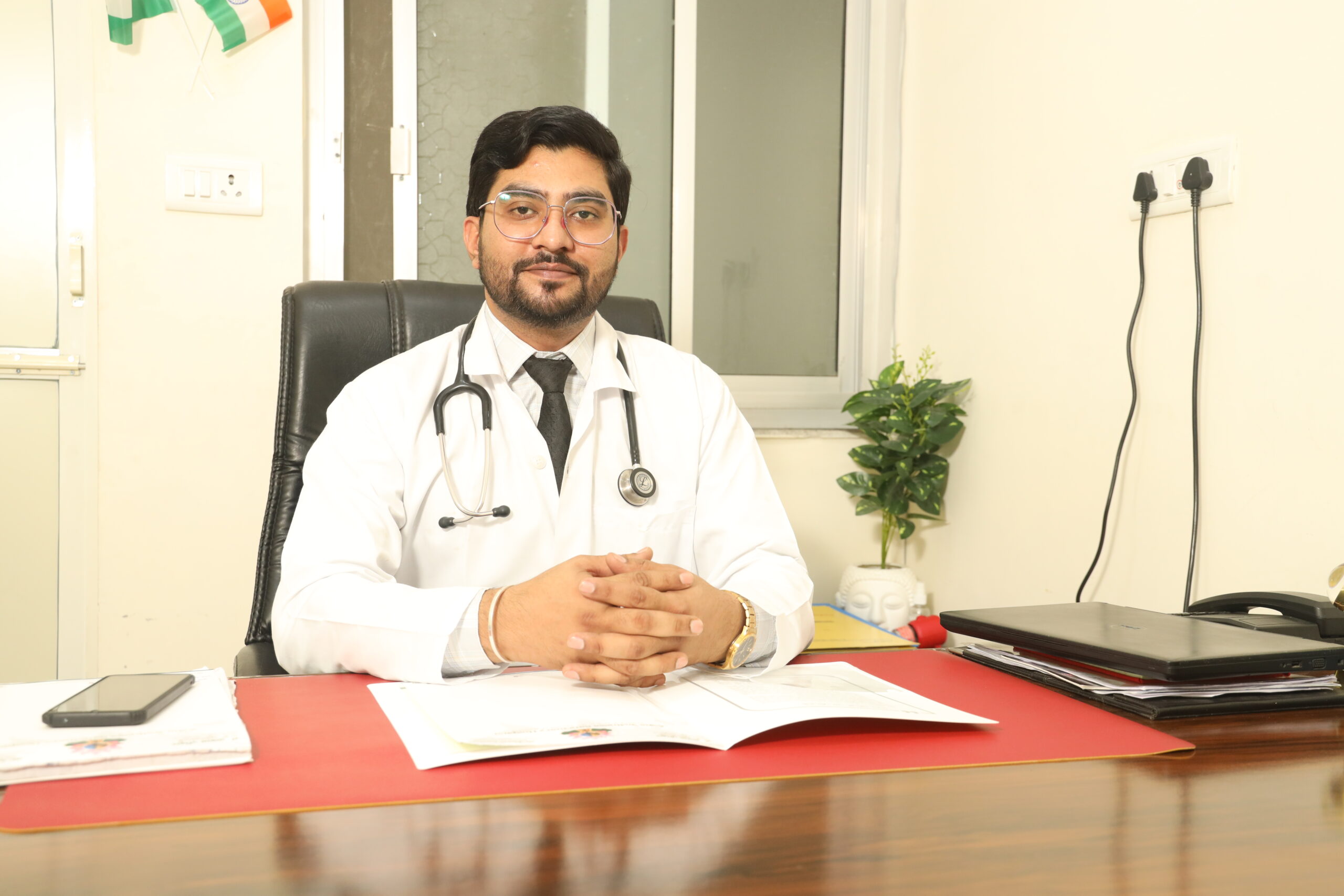
MBBSMD PsychiatryQACP
Dr. Akash Parihar
Psychiatrist · Sleep Specialist · Medical Sexologist
Dr. Akash Parihar is Kota's leading psychiatrist with 8+ years of experience. CBT-I trained — one of the few clinicians in Rajasthan formally trained in evidence-based insomnia therapy. MBBS and MD Psychiatry from Dr. S.N. Medical College, Jodhpur. Member of IPS Rajasthan Chapter (IPSRAJ/LOM/A02/21), Rajasthan Medical Council (RMC 44693/24590). Recipient of the Gehlot Award.
डॉ. आकाश परिहार कोटा के अग्रणी मनोचिकित्सक हैं। CBT-I, अवसाद, चिंता, OCD, नशा मुक्ति, और यौन स्वास्थ्य में 8+ वर्षों का अनुभव। हिंदी में पूर्ण परामर्श उपलब्ध।
CBT-I TrainedSleep MedicineHindi Medium8 Yrs Experience4.9 ★ RatingTeleconsult Available

RCI CertifiedClinical Psychologist
Dr. Neha Mehra
Clinical Psychologist · Sex Therapist · CBT Specialist
RCI-certified clinical psychologist specialising in psychotherapy, sex therapy, couples counselling, and behavioural sleep interventions. Provides CBT-based therapy for anxiety, depression, relationship issues, and sleep disorders. Offers confidential, evidence-based care for sensitive concerns.
डॉ. नेहा मेहरा RCI प्रमाणित मनोवैज्ञानिक हैं। महिला मानसिक स्वास्थ्य, Sex Therapy, दंपत्ति परामर्श, और CBT-I में विशेषज्ञता।
RCI CertifiedSex TherapyCouples CounsellingCBT TherapistWomen's Health
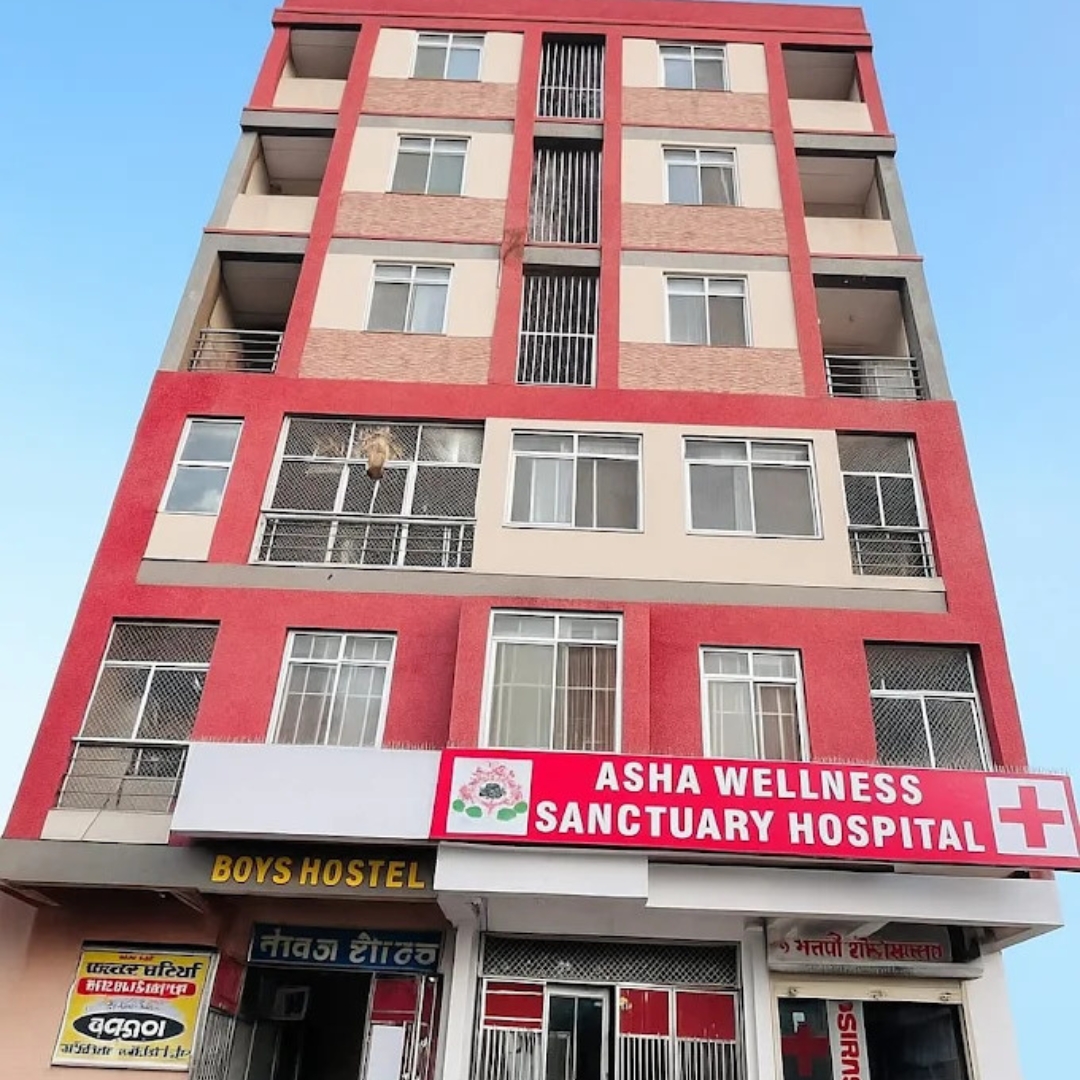
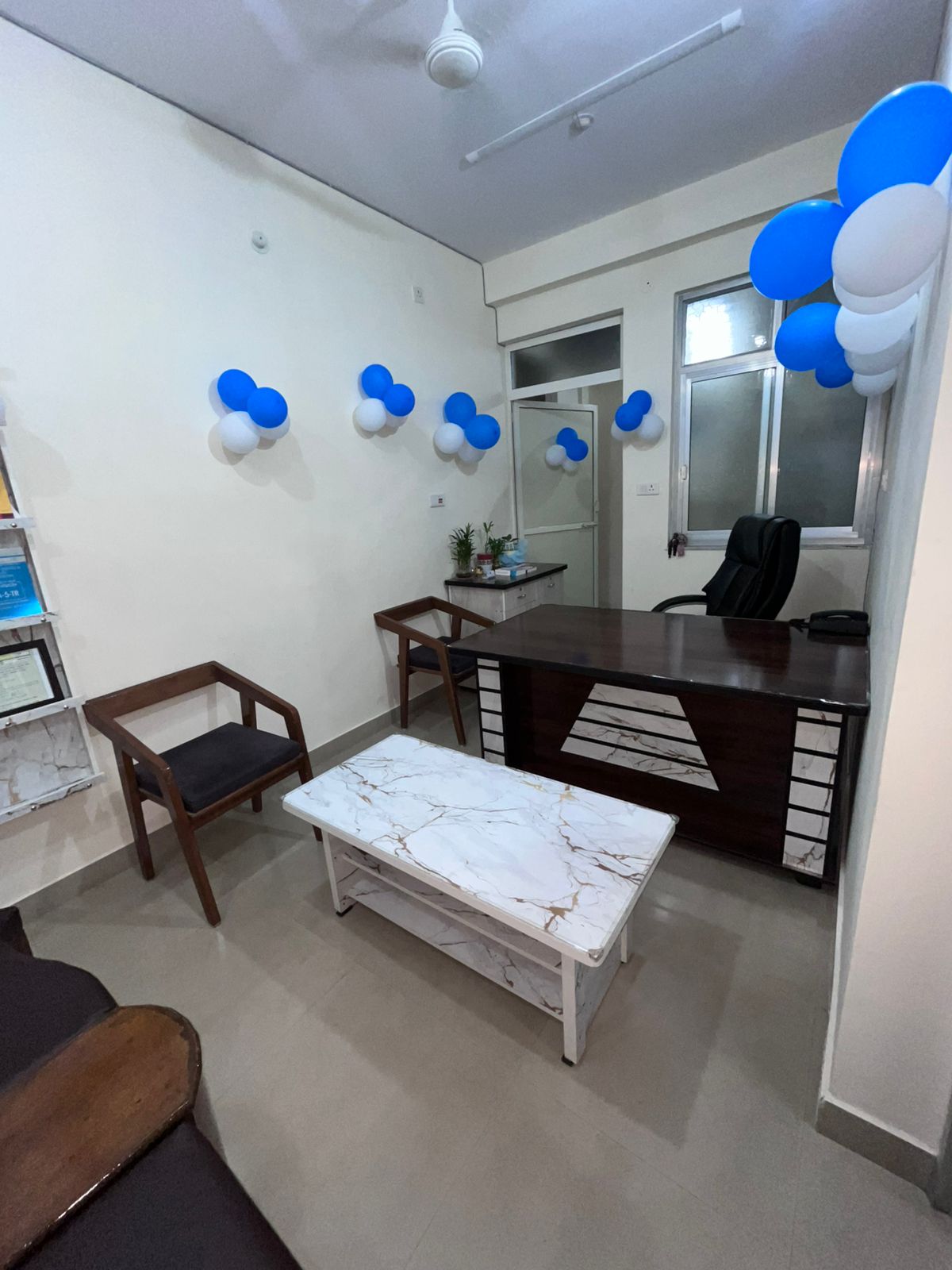
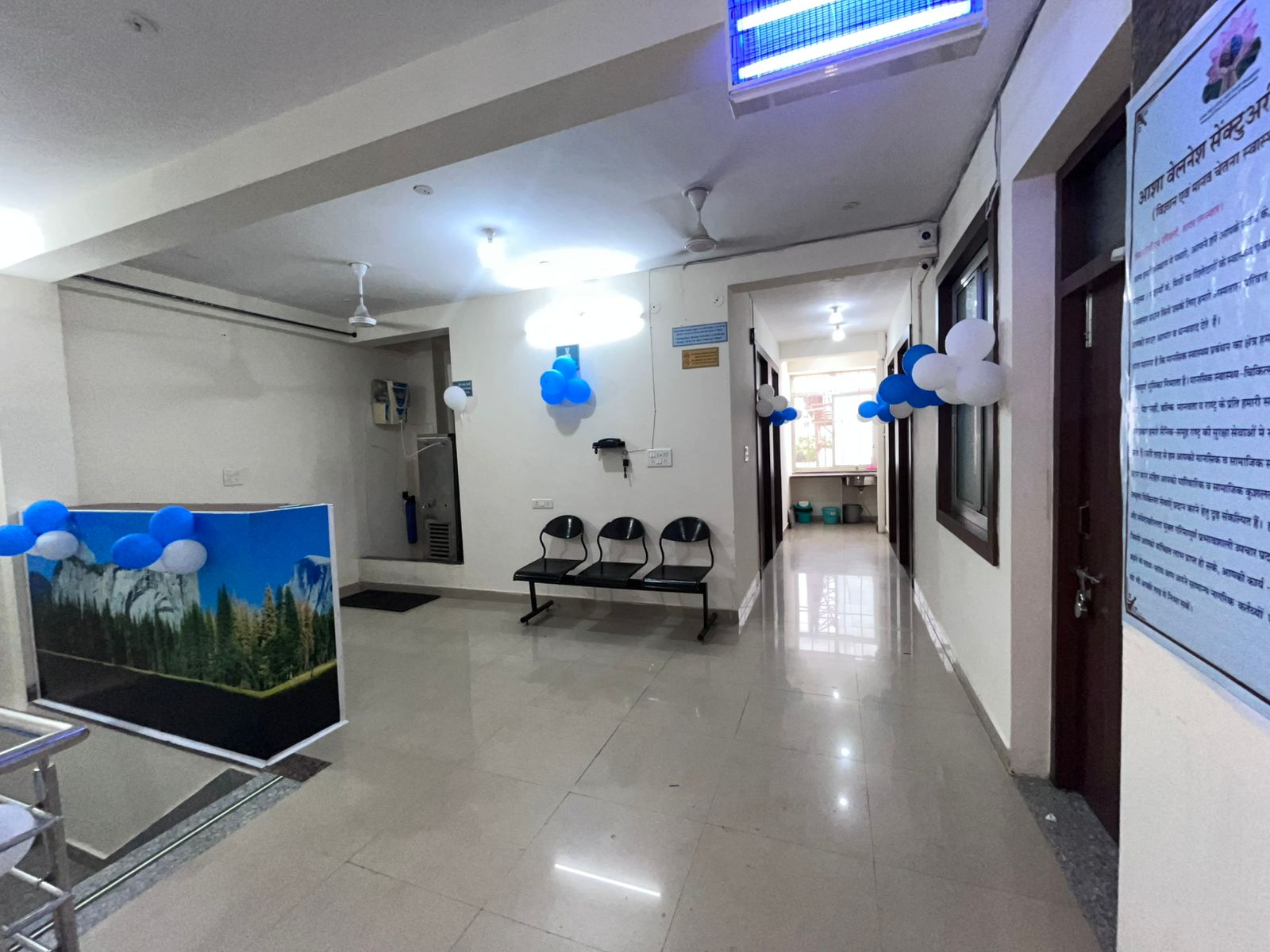
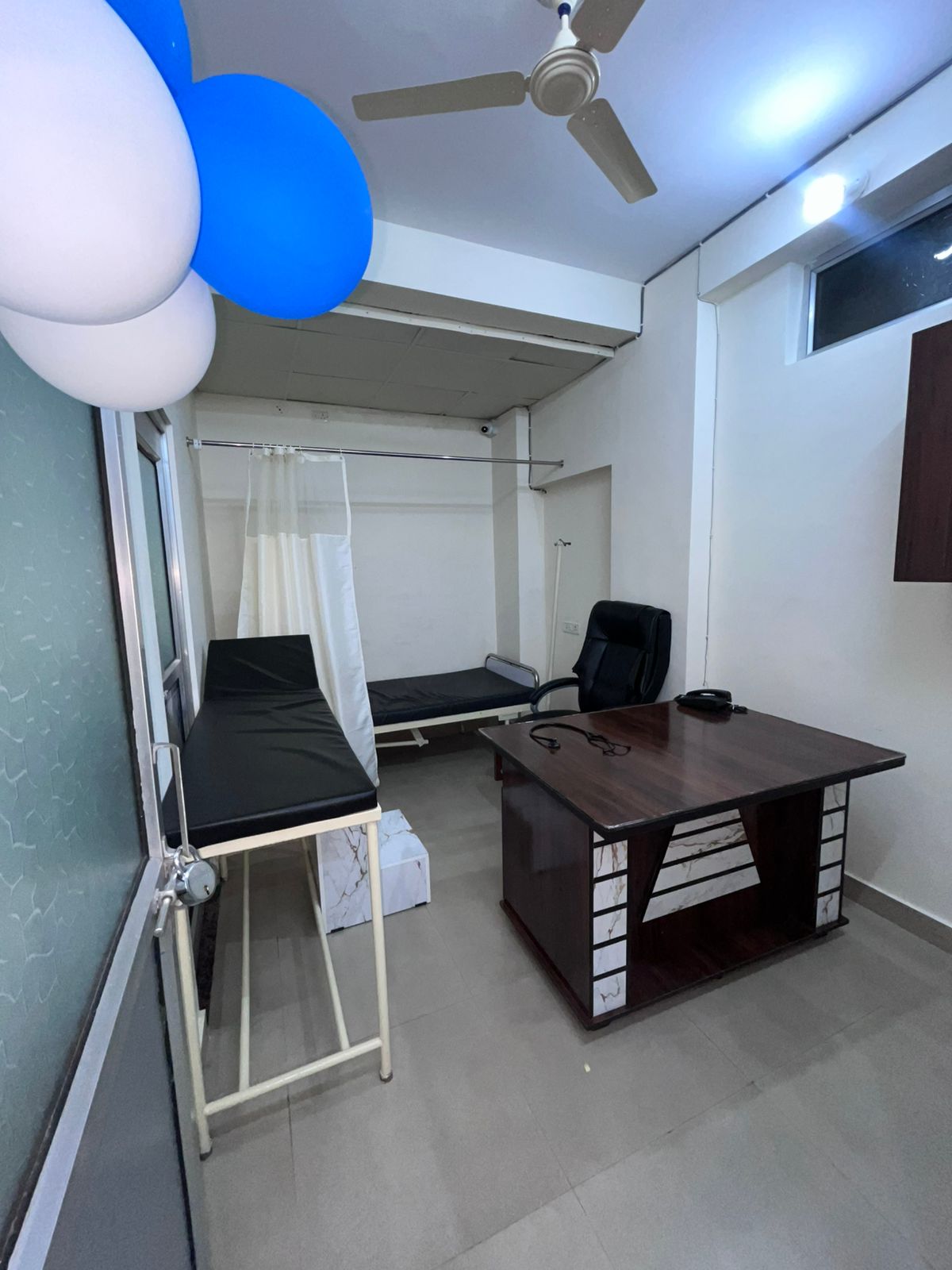
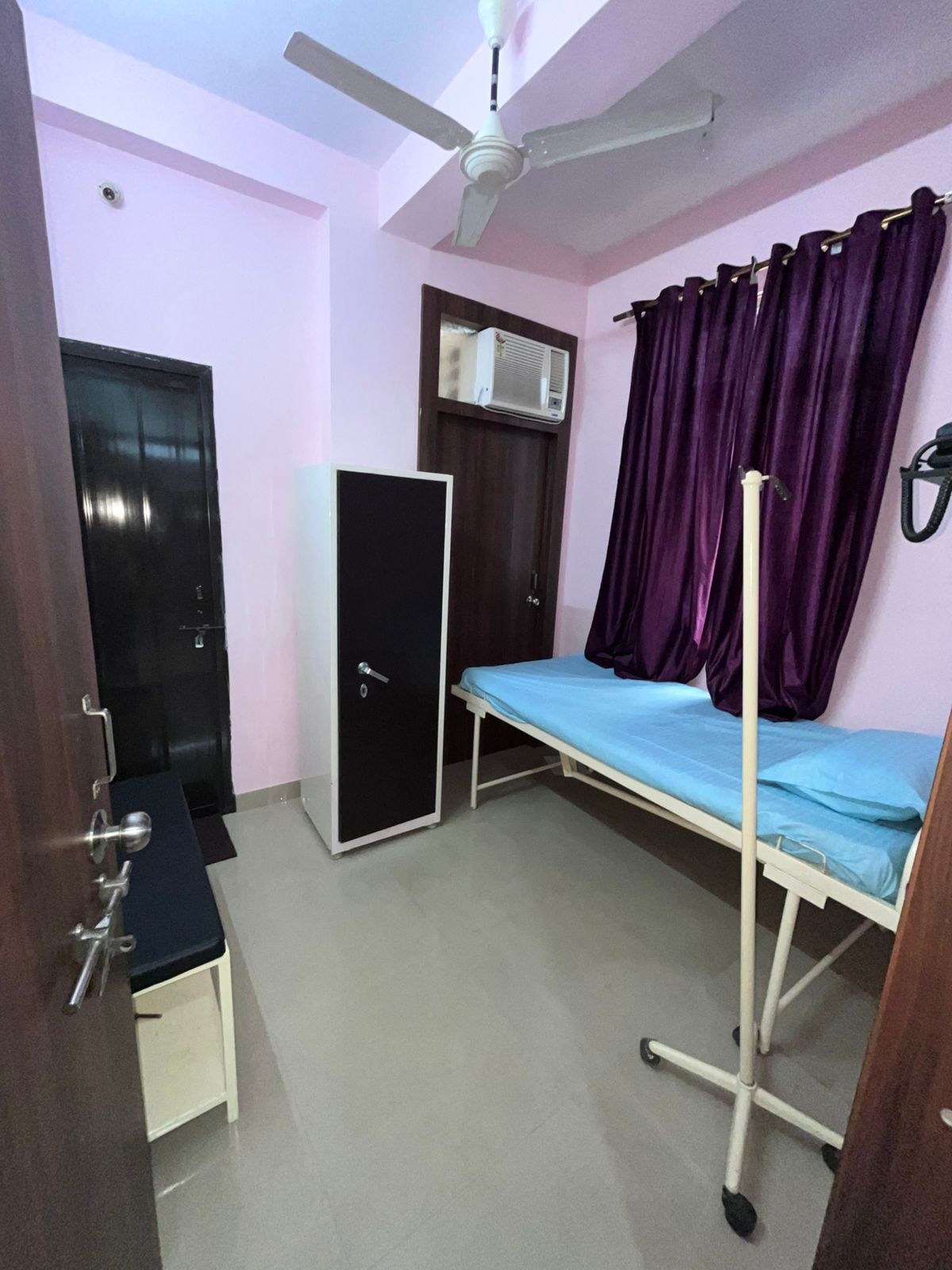
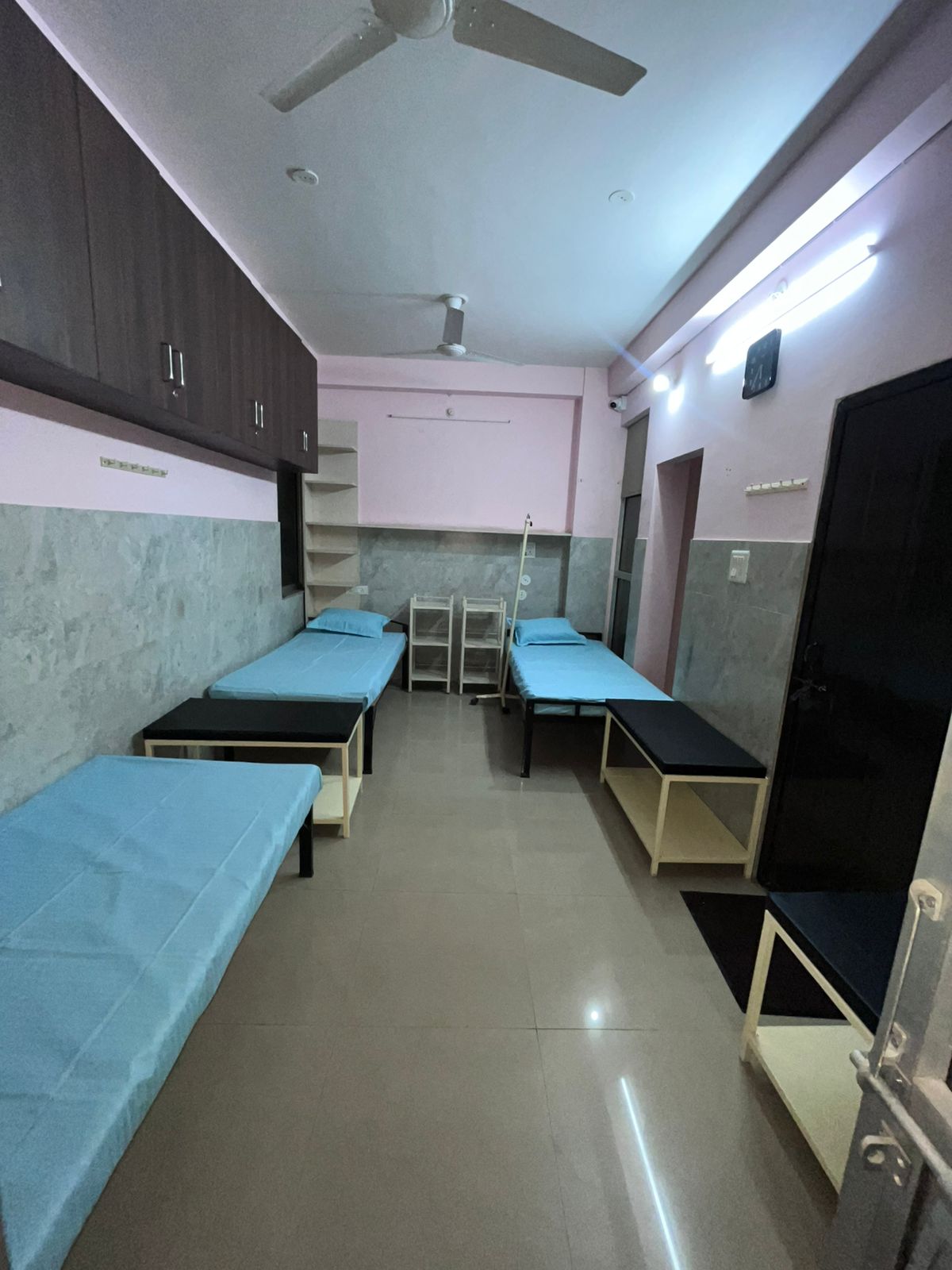
Our Clinic — Asha Wellness Sanctuary
Section XX · Patient Testimonials
Patient Reviewsमरीज़ों की आवाज़ — 500+ सफल इलाज
★★★★★"मुझे 2 साल से नींद नहीं आती थी। Dr. Akash sir ने CBT-I से 6 हफ्ते में मेरी नींद ठीक कर दी — बिना दवाई के। जीवन बदल गया।"
Ramesh K., KotaSep 2025
★★★★★"I had severe insomnia with depression for over a year. Dr. Parihar diagnosed both correctly and treated them together. His CBT-I sessions were genuinely life-changing."
Priya S., JhalawarNov 2025
★★★★★"JEE की तैयारी में नींद पूरी नहीं होती थी। Dr. Akash sir ने student-specific sleep protocol दिया। अब concentration और याद्दाश्त दोनों बेहतर हैं।"
Arjun T., Kota StudentJan 2026
★★★★★"रात 3-4 बजे उठ जाता था, दोबारा नींद नहीं आती थी। 3 महीने की CBT-I के बाद पूरी तरह ठीक हो गया। बहुत समझदार और धैर्यवान डॉक्टर।"
Mahesh V., BaranDec 2025
★★★★★"My mother had severe insomnia with anxiety. Dr. Akash Parihar treated her with CBT-I and minimal medication. She sleeps 7+ hours now and her anxiety is much better."
Sunita R., ChittorgarhFeb 2026
★★★★★"Nasha chhodne ke baad neend nahi aati thi. Dr. Parihar ne recovery-specific sleep protocol diya. Ab 5 mahine se achhi neend aa rahi hai. Zindagi wapas aayi."
Vikram D., KotaMar 2026
Section XXI · FAQ Mega Library
Sleep FAQ Mega Libraryनींद के बारे में अक्सर पूछे जाने वाले सवाल
General Sleep & Insomnia
नींद नहीं आती तो कौन सा डॉक्टर दिखाएँ?Which doctor to see for sleep problems?
+3 हफ्ते से ज़्यादा नींद की समस्या के लिए मनोचिकित्सक (Psychiatrist) या Sleep Specialist से मिलें। कोटा में Dr. Akash Parihar अनिद्रा और नींद विकारों के विशेषज्ञ हैं। CBT-I सबसे प्रभावी उपचार है — दवाओं से भी बेहतर। Phone: +91-7300342858For sleep problems lasting 3+ weeks, consult a Psychiatrist or Sleep Specialist. In Kota, Dr. Akash Parihar specialises in insomnia and all sleep disorders. CBT-I (Cognitive Behavioural Therapy for Insomnia) is the WHO-recommended, drug-free treatment more effective than sleeping pills. Same-week appointments available at Asha Wellness Sanctuary.
Insomnia का सबसे अच्छा इलाज क्या है?What is the best treatment for insomnia?
+CBT-I (Cognitive Behavioural Therapy for Insomnia) को WHO, AASM, और NICE सभी ने अनिद्रा के लिए पहली पंक्ति का उपचार माना है — नींद की दवाओं से भी ज़्यादा प्रभावी और बिना साइड इफेक्ट के। 6-8 सत्रों में 80-90% मरीज़ों में महत्वपूर्ण सुधार होता है और असर सालों तक रहता है।CBT-I is the WHO, AASM, and NICE first-line treatment for chronic insomnia — more effective and more durable than sleeping pills, without dependency risk. 80–90% of patients improve significantly in 6–8 sessions. For mild insomnia, the 7-Step Sleep Hygiene Protocol (Section XV) is the starting point.
क्या नींद न आना मानसिक बीमारी है?Is insomnia a mental illness?
+अनिद्रा ICD-11 (7A00) में मान्यता प्राप्त चिकित्सा स्थिति है। यह कमज़ोरी या आलस नहीं — इलाज योग्य बीमारी है। यह अकेली भी हो सकती है (Primary Insomnia) या अवसाद, चिंता, PTSD के साथ भी (Secondary Insomnia)।Insomnia is a recognized medical condition (ICD-11: 7A00). It is not weakness or laziness — it has established neurobiological mechanisms and effective treatments. It can be standalone (primary) or comorbid with depression, anxiety, PTSD, or medical disorders. Proper clinical assessment determines the treatment approach.
कितने घंटे की नींद ज़रूरी है?How many hours of sleep do adults need?
+वयस्क (18-64 वर्ष): 7-9 घंटे | बुज़ुर्ग (65+): 7-8 घंटे | किशोर (14-17): 8-10 घंटे | बच्चे (6-13): 9-11 घंटे | शिशु (0-12 महीने): 14-17 घंटे। नींद की गुणवत्ता (गहराई, निरंतरता) घंटों जितनी ही महत्वपूर्ण है।Adults (18–64): 7–9 hours. Older adults (65+): 7–8 hours. Teenagers (14–17): 8–10 hours. Children (6–13): 9–11 hours. Infants: 14–17 hours. Individual variation exists — some function on 7, others need 9. Sleep quality (depth and continuity) matters as much as duration.
नींद की गोलियाँ लेना सुरक्षित है?Are sleeping pills safe for long-term use?
+Short-term (7-14 दिन) में डॉक्टर की देखरेख में ठीक हो सकती हैं। Long-term में Benzodiazepines और Z-drugs dependency, tolerance और Rebound Insomnia पैदा करते हैं। BMJ 2014: लंबे समय तक उपयोग से Dementia का खतरा 35% बढ़ता है। CBT-I हमेशा बेहतर दीर्घकालिक समाधान है।Short-term (7–14 days) under medical supervision is acceptable for acute situations. Long-term benzodiazepine or Z-drug use causes dependency, cognitive impairment, fall risk in elderly, and severe rebound insomnia on stopping. A 2014 BMJ study showed 35% increased dementia risk with long-term use. Never take sleeping pills without a prescription.
मोबाइल वाकई नींद बर्बाद करता है?Does smartphone use really affect sleep?
+हाँ — बहुत ज़्यादा। Blue Light Melatonin को 85% तक दबा देती है। Social media और videos मस्तिष्क को Cognitive Arousal में रखते हैं — यह नींद का दुश्मन है। Night Mode मदद करता है पर पर्याप्त नहीं। सोने से 60 मिनट पहले सभी screens बंद करें।Yes — strongly supported by research. Evening screen use suppresses melatonin by up to 85% via blue light, delays circadian phase, and maintains the brain in cognitive arousal incompatible with sleep. Night mode and blue light glasses help marginally but don't eliminate the problem. The engaging content itself is as disruptive as the light.
Sleep Disorders & Conditions
Sleep Apnea के क्या लक्षण होते हैं?What are the signs of sleep apnea?
+मुख्य लक्षण: तेज़ खर्राटे, नींद में साँस रुकना (partner को दिखे), घबराकर उठना, सुबह सिरदर्द, दिन में बहुत नींद (पूरी रात के बाद भी), याददाश्त कमज़ोर। निदान के लिए Sleep Study (Polysomnography) ज़रूरी है। अनुपचारित रहने पर हृदय रोग, Stroke, Diabetes का खतरा बढ़ता है।Key signs: loud habitual snoring, witnessed breathing pauses, waking gasping or choking, morning headaches, excessive daytime sleepiness despite adequate sleep time, cognitive impairment, and nocturia. Diagnosis requires polysomnography. Untreated OSA significantly increases cardiovascular, stroke, and metabolic disease risk.
Sleep Paralysis (नींद में शरीर जम जाना) क्यों होता है?Why does sleep paralysis happen?
+Sleep Paralysis तब होती है जब REM नींद की पेशी-निष्क्रियता (muscle atonia) जागने के बाद भी कुछ सेकंड-मिनट तक रहती है। अक्सर Hallucinations के साथ आती है — इसीलिए इसे "भूत" समझा जाता है। यह खतरनाक नहीं है। नींद की कमी, अनियमित नींद, और Anxiety इसे बढ़ाते हैं।Sleep paralysis occurs when REM-sleep muscle atonia (protective paralysis that prevents acting out dreams) persists into wakefulness for seconds to minutes. Often accompanied by vivid hallucinations. Cultural interpretations as ghosts or demons are common globally. It is not dangerous. Sleep deprivation, irregular sleep schedules, and anxiety are precipitants.
कोटा के छात्रों में नींद की समस्या क्यों ज़्यादा है?Why do Kota coaching students have severe sleep problems?
+Kota coaching culture में: रात 2-3 बजे तक पढ़ाई, सुबह 6-7 बजे उठना, उच्च तनाव, प्रतिस्पर्धा का दबाव, Hostel में नई दिनचर्या — ये सब मिलकर Circadian Rhythm, Sleep Duration और Sleep Quality तीनों को नष्ट करते हैं। Dr. Akash Parihar student-specific sleep और mental health care प्रदान करते हैं।Kota's coaching culture combines late-night study until 2–3 AM, 6–7 AM wake times, extreme academic pressure, hostel adjustment, and social isolation — creating chronic circadian disruption, sleep restriction, and high anxiety. This impairs the very cognitive functions (memory, problem-solving) students sacrifice sleep to develop. Dr. Akash Parihar offers specialised student sleep consultations.
Neuroscience & Biology
REM नींद क्यों ज़रूरी है?Why is REM sleep important?
+REM नींद: भावनात्मक यादों को process करती है (anxiety और depression का प्राकृतिक इलाज), रचनात्मकता बढ़ाती है, जटिल समस्या-समाधान में मदद करती है, और Prefrontal Cortex को कल्पनाशीलता से जोड़ती है। रात के अंतिम 2-3 घंटों में सबसे ज़्यादा होती है — इसीलिए जल्दी उठना REM को सबसे ज़्यादा नुकसान पहुँचाता है।REM sleep: processes emotional memories (acting as "overnight therapy" for anxiety and depression), drives creative insight and complex problem-solving, consolidates procedural memory, and integrates new information with existing knowledge networks. Concentrated in hours 6–8 — meaning early awakening disproportionately deprives you of this critical stage.
क्या नींद की कमी से याद्दाश्त कमज़ोर होती है?Does sleep deprivation really impair memory?
+हाँ — यह वैज्ञानिक रूप से सिद्ध है। NREM नींद में Hippocampus दिन की यादें Cortex में स्थानांतरित करता है। REM नींद इन्हें existing knowledge से जोड़ता है। नींद की कमी में Working Memory 20-40% कम हो जाती है, नई जानकारी सीखना कठिन होता है, और परीक्षा में पहले से सीखी बातें भूलने लगते हैं।Yes — robustly established. Sleep deprivation reduces working memory by 20–40%, impairs new learning, and compromises the hippocampal replay that consolidates earlier studying. Students who sleep after studying recall 40% more than those who stay awake. Sleeping more is often more effective than studying more.
🆘
Mental Health Crisis & Emergency
अगर नींद न आने के साथ आत्मघाती विचार, गंभीर अवसाद, या किसी भी मानसिक स्वास्थ्य आपातकाल का सामना कर रहे हैं — तुरंत मदद लें।
iCall (India): 9152987821 | Vandrevala Foundation: 1860-2662-345 (24×7) | NIMHANS: 080-46110007 | Dr. Akash Parihar (Kota): +91-7300342858. Asha Wellness Sanctuary does NOT provide 24/7 emergency crisis support. For life-threatening emergencies, call 112 or go to the nearest emergency hospital.
🌙
Tonight Can Be Different.
आज रात बेहतर हो सकती है। अभी अपॉइंटमेंट बुक करें।
Confidential sleep consultation with Dr. Akash Parihar — In-person at Kota Clinic or Online Video Consultation. Hindi medium. Same-week appointments available.
Serving: Kota · Baran · Jhalawar · Bundi · Chittorgarh · Sawai Madhopur · All of Rajasthan · Online India-wide
कोटा · बारां · झालावाड़ · बूँदी · चित्तौड़गढ़ · सवाई माधोपुर · पूरे राजस्थान के लिए · ऑनलाइन परामर्श
Medical Disclaimer
This encyclopedia provides general educational information about sleep and sleep disorders. It is not a substitute for professional medical advice, diagnosis, or treatment. If you are experiencing persistent sleep problems or any mental health concern, please consult Dr. Akash Parihar or a qualified healthcare professional. All consultations at Asha Wellness Sanctuary are strictly confidential. The interactive tools on this page are for educational screening purposes only — not clinical diagnosis.