You Are Not Alone.
This pain can be survived.
आप अकेले नहीं हैं।
यह दर्द सहा जा सकता है।
Whatever you are feeling right now — however overwhelming, however permanent it seems — help is here. Recovery is real.
आप अभी जो भी महसूस कर रहे हैं — चाहे वह कितना भी भारी या स्थायी लगे — मदद उपलब्ध है। ठीक होना संभव है।
Do These Things Right Now अभी ये करें
If you are thinking about ending your life and feel you may act on it, these steps can save your life.
यदि आप जीवन समाप्त करने के बारे में सोच रहे हैं, ये कदम आपकी जान बचा सकते हैं।
Call Someoneकिसी को कॉल करें
Say the words: "I need help." Call Dr. Parihar, family, or a helpline.
कहें: "मुझे मदद चाहिए।" परिवार या हेल्पलाइन को कॉल करें।
Leave the Placeउस जगह छोड़ें
Leave any dangerous space immediately. Go somewhere safe.
किसी भी खतरनाक स्थान से तुरंत निकलें। सुरक्षित जगह जाएं।
Remove Meansसाधन हटाएं
Lock away pills, sharp objects — give them to someone else now.
दवाइयां, तीखी वस्तुएं — किसी को दे दें या बंद कर दें।
Don't Stay Aloneअकेले न रहें
Go to any person — family, neighbour, friend. Being with someone is critical.
परिवार, पड़ोसी, दोस्त — किसी के पास जाएं। साथ रहना ज़रूरी है।
Go to Emergencyआपातकालीन जाएं
Go to the nearest hospital emergency. Tell them you are having suicidal thoughts.
नज़दीकी अस्पताल के इमरजेंसी में जाएं। बताएं कि आप संकट में हैं।
Avoid Substancesनशे से बचें
Alcohol and drugs dramatically increase impulsivity in crisis — avoid them.
शराब व नशा संकट में आवेग को बढ़ाते हैं — इनसे बचें।
Expert Care at Asha Wellness Sanctuary, Kota आशा वेलनेस सैंक्चुअरी, कोटा में विशेषज्ञ देखभाल

Dr. Akash Parihar
Specialist in suicide prevention, depression, OCD, bipolar disorder, addiction, and all psychiatric crises. Trained at one of India's premier medical institutions with deep expertise in crisis intervention and evidence-based care.
आत्महत्या निवारण, अवसाद, OCD, द्विध्रुवी विकार, नशामुक्ति में विशेषज्ञ। संकट हस्तक्षेप और साक्ष्य-आधारित देखभाल में प्रशिक्षित।
 Trained at Dr. S.N. Medical College, Jodhpur

Dr. Neha Mehra
RCI-certified clinical psychologist specializing in psychotherapy, counselling, sex therapy, and crisis support. Provides compassionate therapy tailored to individual needs in a safe, judgment-free environment.
RCI प्रमाणित नैदानिक मनोवैज्ञानिक। मनोचिकित्सा, परामर्श, लिंग चिकित्सा और संकट सहायता में विशेषज्ञ।
Asha Wellness Sanctuary — Our Facility आशा वेलनेस सैंक्चुअरी — हमारी सुविधा
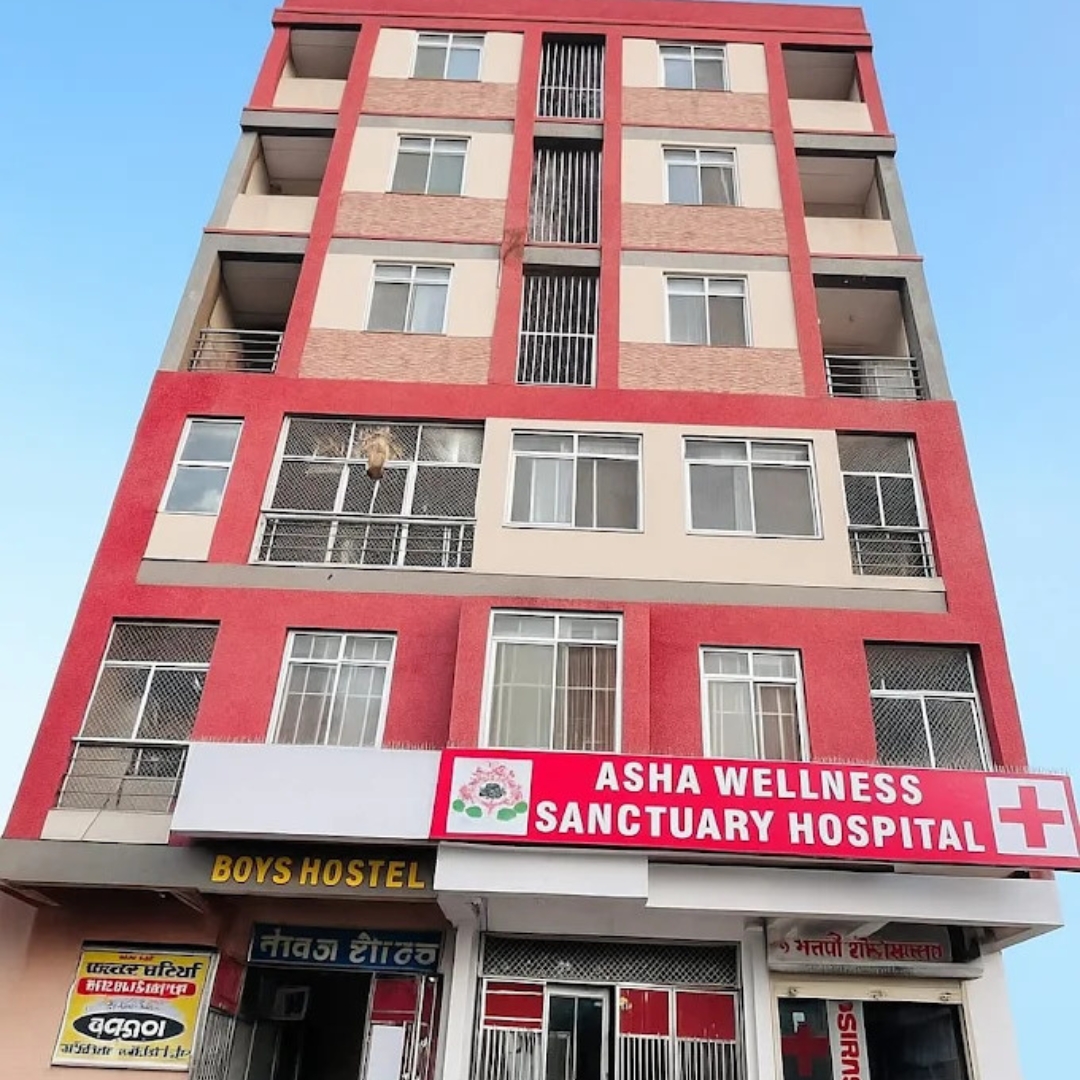
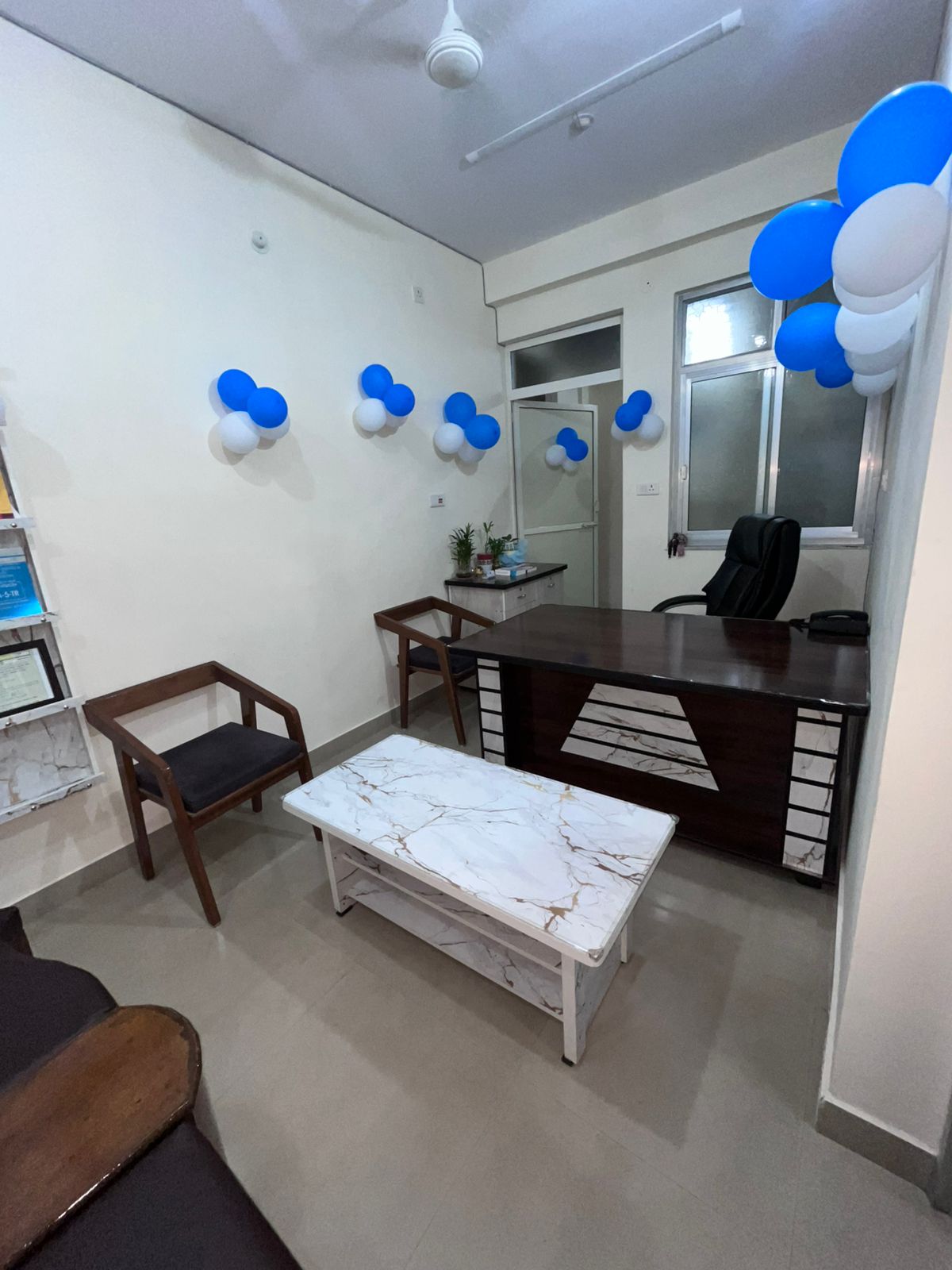
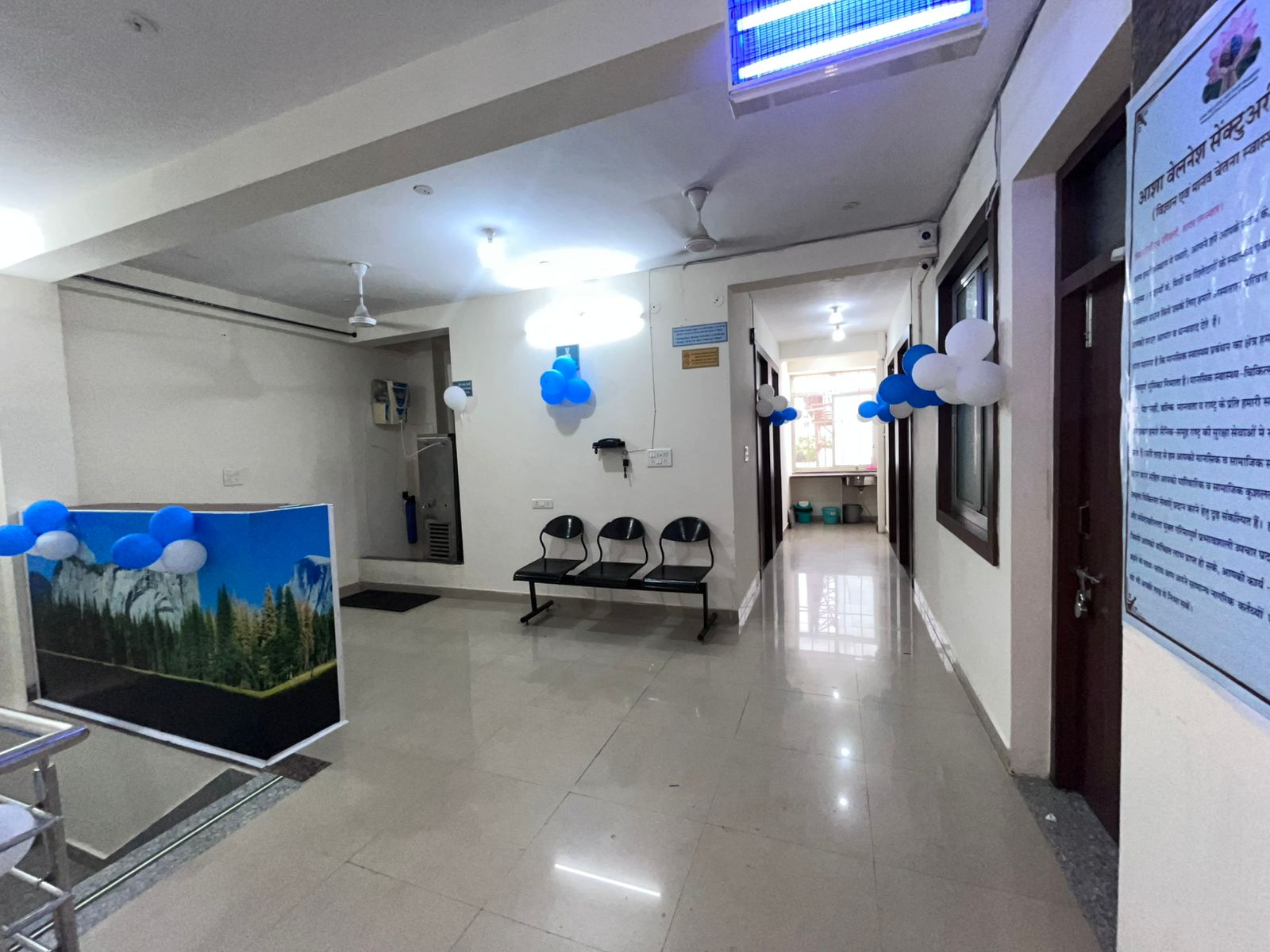
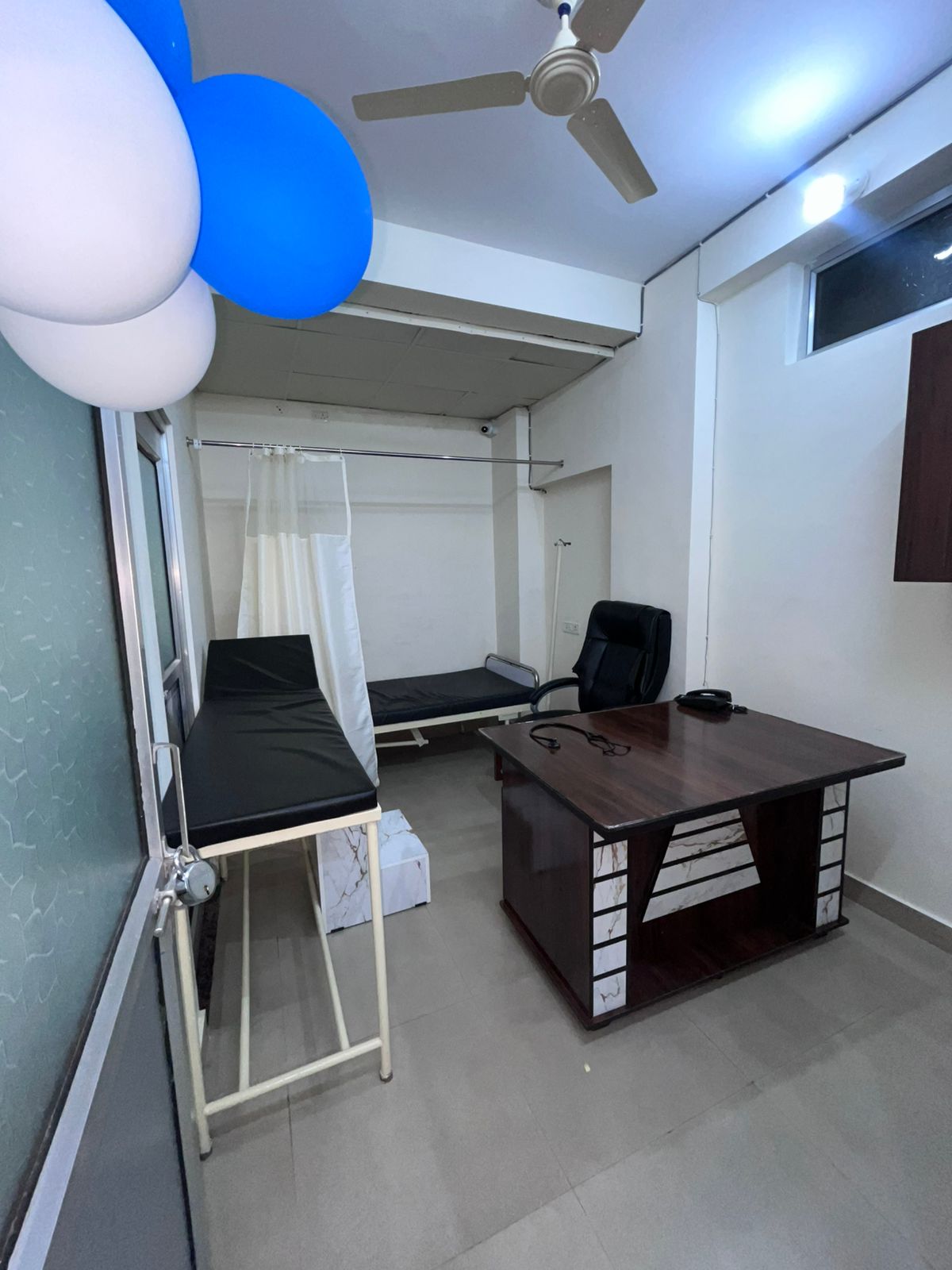
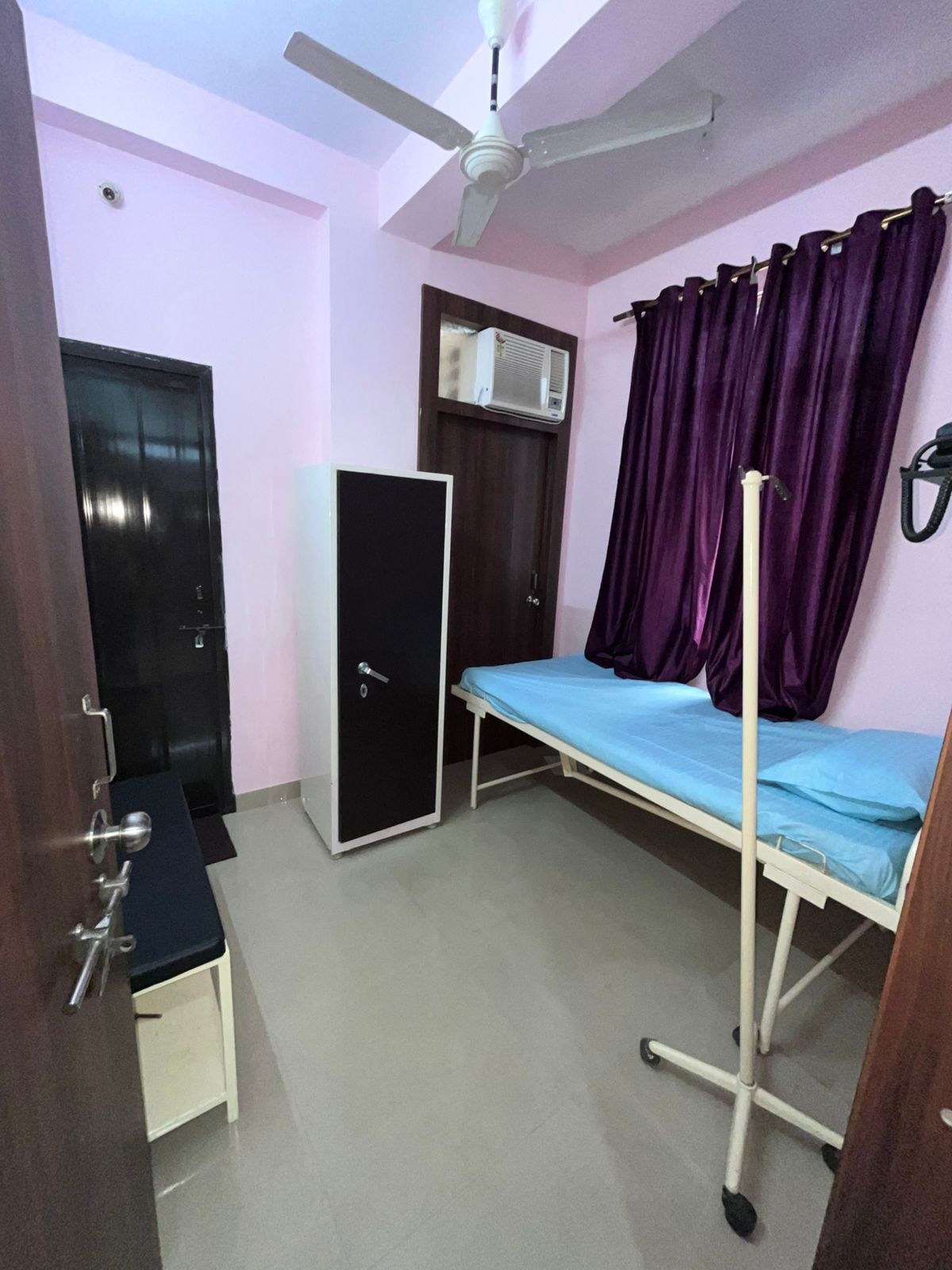
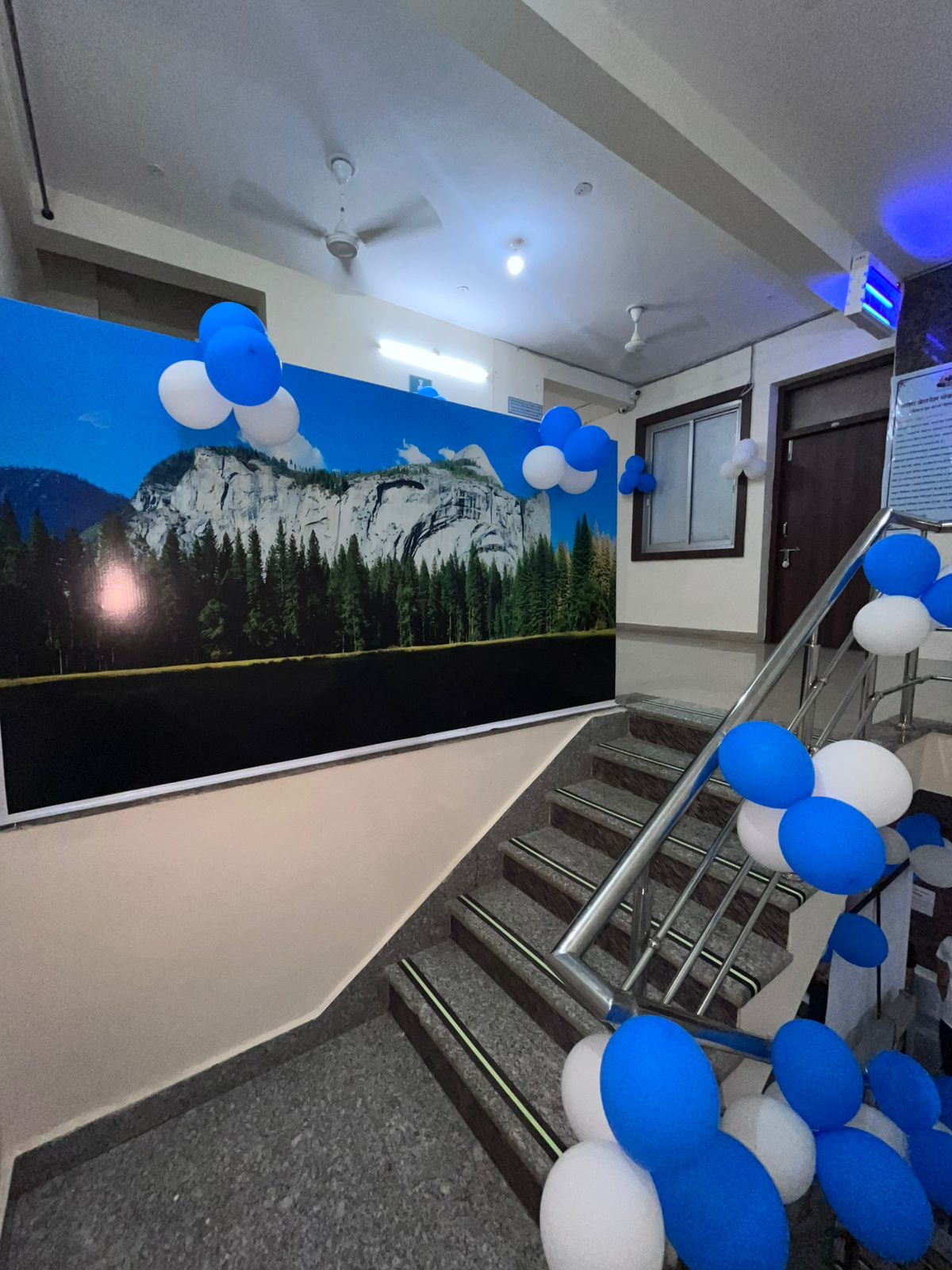
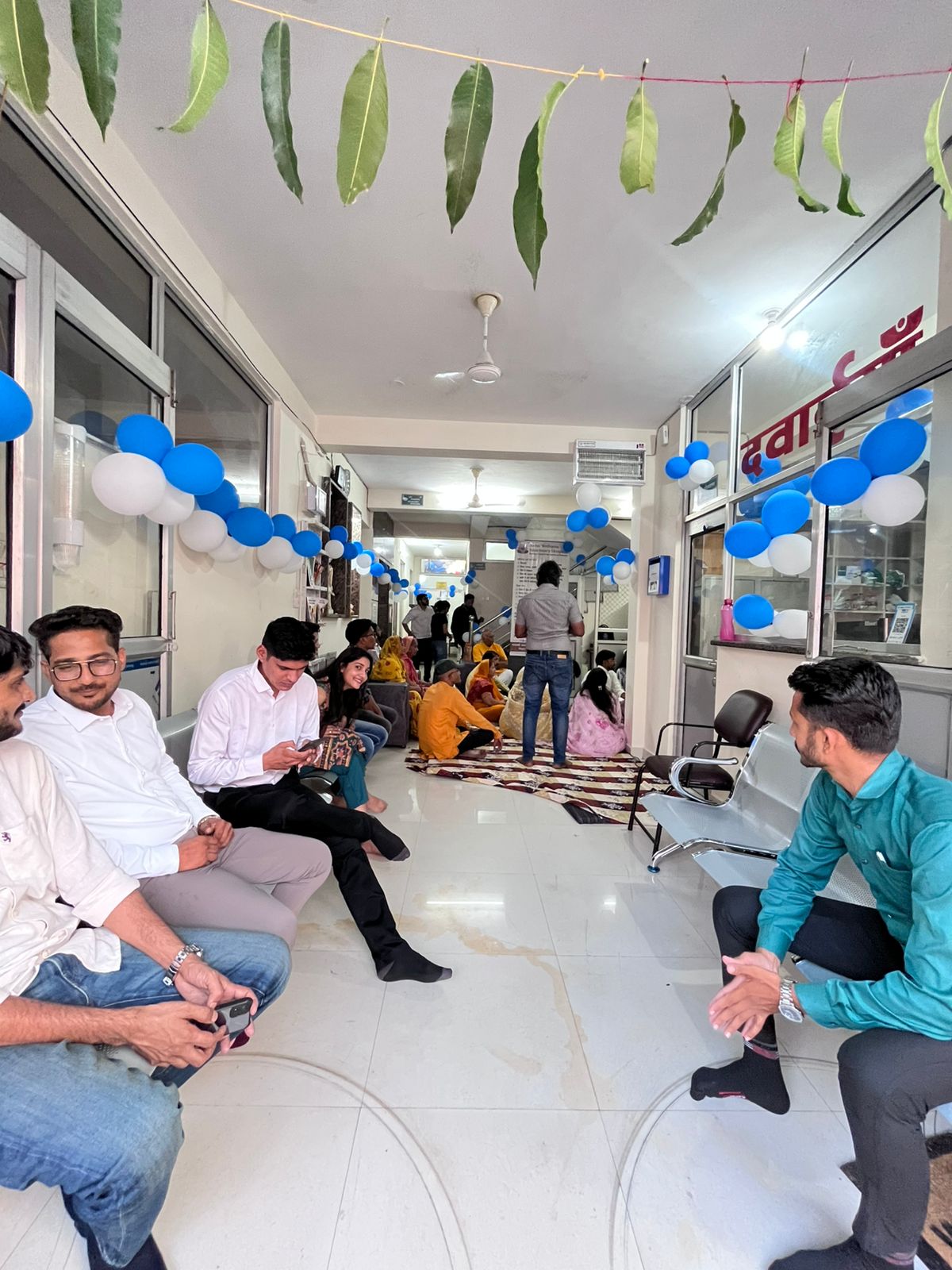
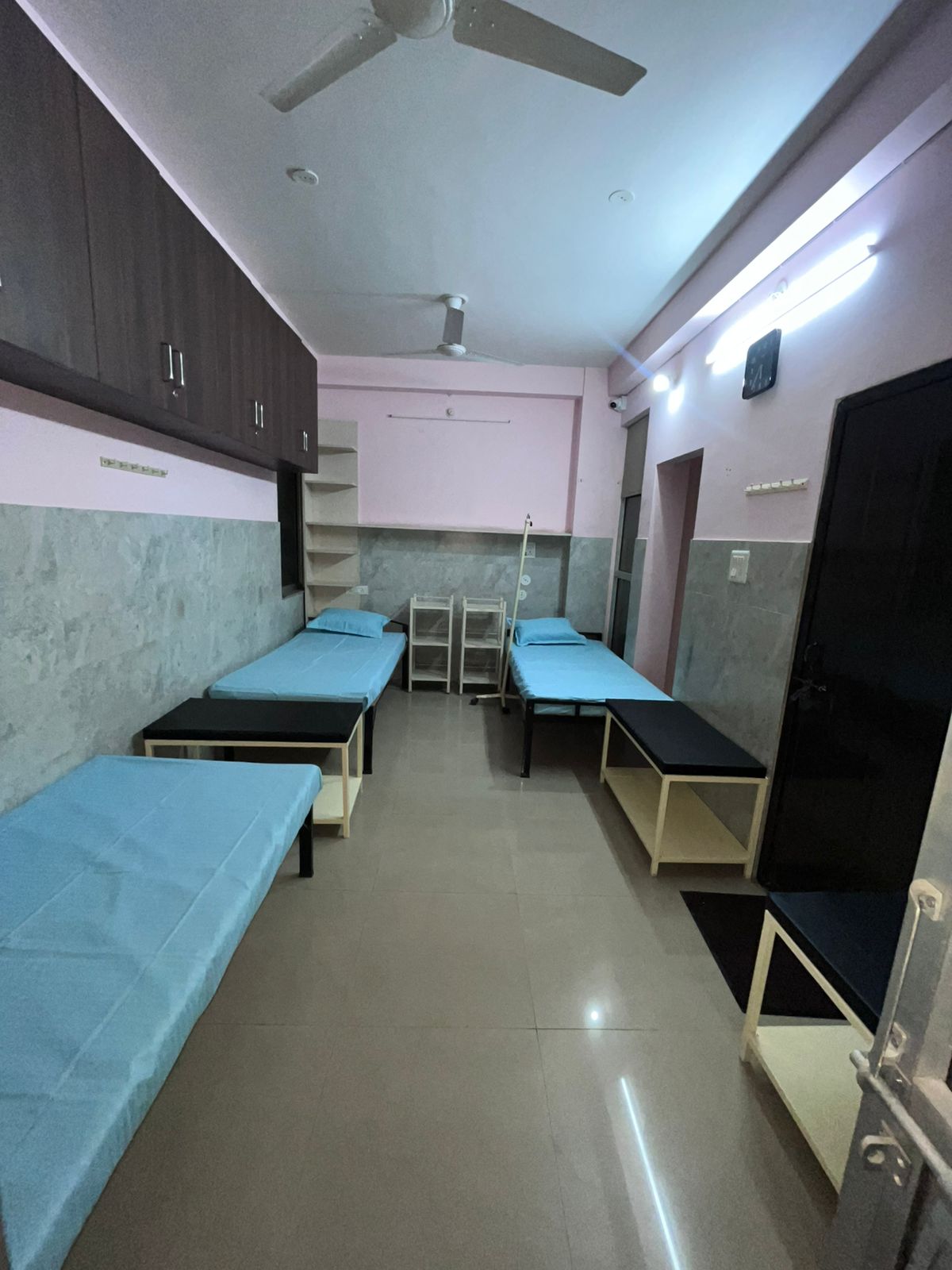
What Suicidal Thoughts Can Feel Like आत्मघाती विचार कैसे महसूस होते हैं
Many people suffer in silence because they think their experience is too dark or shameful to describe. Here is what others have felt:
कई लोग चुपचाप पीड़ित रहते हैं क्योंकि उन्हें लगता है कि उनका अनुभव बताने लायक नहीं। यहाँ दूसरों ने जो महसूस किया:
"I am not trying to die. I am trying to stop feeling this way."
"मैं मरना नहीं चाहता। मैं बस इस तरह महसूस करना बंद करना चाहता हूं।"
Desire for relief, not death / राहत की चाह"I feel trapped inside my own mind with no exit."
"मैं अपने ही मन में फंसा हूं, कोई रास्ता नहीं दिखता।"
Entrapment / कैद जैसा अहसास"My family would be better off without me. I am just a burden."
"मेरे बिना मेरे परिवार का जीवन बेहतर होगा। मैं सिर्फ बोझ हूं।"
Perceived burdensomeness / बोझ का अहसास"I cannot feel anything anymore. I am numb, erased from the inside."
"मुझे कुछ महसूस नहीं होता। मैं अंदर से सुन्न हो गया हूं।"
Emotional numbness / भावनात्मक सुन्नता"This pain will never end. I cannot imagine tomorrow being different."
"यह दर्द कभी खत्म नहीं होगा। मैं कल की कल्पना नहीं कर सकता।"
Hopelessness / निराशा"I have been fighting for so long. I just cannot do this anymore."
"मैं इतने लंबे समय से लड़ रहा हूं। अब मुझसे नहीं होता।"
Exhaustion / थकानIf any of these sound familiar — you are not alone, and you are not broken. These are symptoms of treatable suffering.यदि इनमें से कोई परिचित लगे — आप अकेले नहीं हैं। ये उपचार योग्य पीड़ा के लक्षण हैं।
Suicide Risk Checker आत्महत्या जोखिम जांचकर्ता
This is a guide to help you understand your situation, not a diagnostic tool. Answer honestly — everything here is private.
यह आपकी स्थिति समझने में मदद के लिए एक मार्गदर्शिका है। ईमानदारी से उत्तर दें — सब कुछ यहाँ निजी है।
What To Do In The Next 10 Minutes अगले 10 मिनट में क्या करें
You don't need to fix everything. You just need to survive this moment. These steps are clinically validated.
सब कुछ ठीक करने की ज़रूरत नहीं। बस इस पल से गुज़रना है।
Take 5 slow, deep breaths
5 धीमी, गहरी सांसें लें4 counts in, hold 4, breathe out 6. This lowers your stress response within 90 seconds.
Call or text one person
किसी एक व्यक्ति को कॉल या मैसेज करें"I am struggling and need to hear your voice" is enough. Connection interrupts suicidal crises.
Move to a safer space
सुरक्षित जगह जाएंLeave the room where you are having these thoughts. Go outside or to a public space.
Remove or secure dangerous items
खतरनाक वस्तुएं हटाएंGive medications to someone else. Even 30 minutes of distance from means saves lives.
Drink a glass of water
एक गिलास पानी पिएंDehydration worsens emotional dysregulation. This simple act also grounds you in the present.
5-4-3-2-1 Grounding
5-4-3-2-1 ग्राउंडिंग करेंName 5 things you see, 4 you touch, 3 you hear, 2 smells, 1 taste. Anchors you in the present.
Say: "This feeling will pass"
कहें: "यह भावना गुज़र जाएगी"Suicidal intensity typically peaks and subsides within hours. The permanence is a symptom — not truth.
Don't make irreversible decisions
कोई अपरिवर्तनीय निर्णय न लेंCommit to delaying any action by 24 hours. Every hour of delay gives your brain a chance to regulate.
Need to calm down right now?अभी शांत होना चाहते हैं?
Use our guided breathing and grounding mode. A calm interface to help you survive the next 5 minutes.
हमारा निर्देशित श्वास और ग्राउंडिंग मोड उपयोग करें। अगले 5 मिनट से गुज़रने में मदद करेगा।
The Psychology of Suicidal Painआत्मघाती पीड़ा का मनोविज्ञान
Psychache — The Soul Woundमनोवेदना — आत्मा का घाव
Suicidologist Edwin Shneidman described suicide as driven by psychache — an unbearable psychological pain. The goal of suicidal behaviour is almost always relief from pain, not death itself. This is the foundation of treatment.
आत्मघाती व्यवहार का लक्ष्य लगभग हमेशा दर्द से राहत होता है, मृत्यु नहीं। यह उपचार की नींव है।
Cognitive Constriction
Tunnel vision — inability to see other options
Time Distortion
Present pain feels permanently fixed
Emotional Overload
Nervous system reaches its threshold
Entrapment
No perceived escape except death
Suicidology Theory Hubआत्महत्या विज्ञान सिद्धांत
Interpersonal Theory
Thwarted belongingness + Perceived burdensomeness + Acquired capability = highest risk
Hopelessness Theory
Hopelessness — not depression itself — is the strongest cognitive predictor of suicidal behaviour
Psychache Theory
Unbearable psychological pain drives suicide — the goal is always escape from pain, not death
Cry of Pain Model
Defeat + Entrapment + No rescue signal = suicidal behaviour
Why People Become Suicidalलोग आत्मघाती क्यों बनते हैं
Depression / अवसाद
सबसे सामान्य संबंधित स्थितिThe most common condition linked to suicidal thinking. Depression treatment →
OCD / जुनूनी विकार
अहंकार-विरोधी आत्मघाती जुनूनIntrusive suicidal obsessions in OCD are ego-dystonic and require specialist treatment. OCD treatment →
Bipolar Disorder / द्विध्रुवी विकार
मिश्रित अवस्था सबसे खतरनाकMixed states carry the highest suicide risk. Bipolar treatment →
Anxiety & PTSD / चिंता व आघात
असहनीय आंतरिक तनावChronic anxiety and trauma create unbearable internal tension. Anxiety treatment →
Addiction / नशा
आवेग और भावनात्मक दर्द बढ़ाता हैAlcohol and drugs lower inhibition and intensify pain. De-addiction centre →
Chronic Pain / दीर्घकालिक पीड़ा
लंबे समय तक शारीरिक कष्टLong-term physical suffering is a significant and underrecognized pathway to suicidal crisis.
Relationship Loss
संबंध टूटनाSeparation, divorce, and betrayal — especially when identity is tied to relationships.
Financial Collapse
आर्थिक संकटDebt, business failure, and financial shame — particularly significant for Indian men.
Academic Failure
परीक्षा में विफलताIn Kota's coaching culture, failure triggers profound identity collapse. Student support →
Shame & Humiliation
शर्म और अपमानPublic failure, social disgrace, and family dishonour are powerful shame-based triggers in India.
Domestic Abuse
घरेलू हिंसाIntimate partner violence and family control — particularly for women. Women's mental health →
Loneliness & Isolation
अकेलापन और अलगावChronic social disconnection creates the thwarted belongingness that drives suicide risk.
Sleep Deprivation / नींद की कमी
Even partial sleep loss reduces impulse control. In Kota, students sleeping 3–4 hours are at neurological risk. Sleep treatment →
Serotonin Dysregulation
Reduced serotonergic activity links to impulsivity — why SSRIs/SNRIs form a cornerstone of treatment.
HPA Axis Dysregulation
Chronic stress impairs cortisol regulation, executive function, and emotional control.
Executive Dysfunction
Reduced prefrontal activity explains cognitive constriction — inability to see other solutions.
Build Your Safety Plan अपनी सुरक्षा योजना बनाएं
A safety plan is a personalized, clinically validated tool. Fill this in when calm. Keep it accessible. Share it with someone you trust.
सुरक्षा योजना एक व्यक्तिगत, नैदानिक रूप से मान्य उपकरण है। शांत होने पर भरें। इसे सुलभ रखें।
5-4-3-2-1 Grounding Exercise 5-4-3-2-1 ग्राउंडिंग अभ्यास
When overwhelmed, this exercise anchors your nervous system in the present moment.
जब अभिभूत हों, यह अभ्यास आपके तंत्रिका तंत्र को वर्तमान में लंगर डालता है।
Supporting Someone Who Is Suicidal किसी आत्मघाती व्यक्ति का समर्थन करना
✅ What TO Say & Doक्या कहें और करें
🚫 What NOT To Sayक्या न कहें
⚠️ Warning Signs to Watch Forचेतावनी संकेत जो देखें
When Academic Pressure Becomes a Mental Health Crisisजब शैक्षणिक दबाव मानसिक स्वास्थ्य संकट बन जाता है
Kota has seen some of India's most devastating student mental health crises. This is the reality coaching centres won't tell you:
कोटा में भारत के कुछ सबसे गंभीर छात्र मानसिक स्वास्थ्य संकट देखे गए हैं। यह वह सच्चाई है जो कोचिंग सेंटर नहीं बताते:
Your rank is not your worthआपकी रैंक आपका मूल्य नहीं
No exam result defines the value of your life. The student who takes a year off and recovers goes on to a fuller life.
कोई परीक्षा परिणाम आपके जीवन का मूल्य नहीं तय करता।
Your parents want you aliveआपके माता-पिता आपको जीवित चाहते हैं
No parent, if given the choice, would choose a rank over their child's life. The shame story in your head is a symptom — not reality.
कोई भी माता-पिता रैंक को अपने बच्चे की जान से ऊपर नहीं रखेंगे।
Help is confidentialसहायता गोपनीय है
Speaking to our team is entirely confidential. Your coaching centre and institution will not be informed without your consent.
हमारी टीम से बात करना पूरी तरह गोपनीय है।
Suicidality in the Indian Contextभारतीय संदर्भ में आत्मघाती सोच
Family System Pressure
Individual identity is embedded in family honour. Failure is experienced as a failure of the entire family — amplifying shame and burdensomeness.
Academic & Marriage Pressure
Exams and marriage remain two of the most intense social pressure points triggering shame spirals that can reach suicidal intensity.
Stigma & Help-Seeking
Mental illness stigma in India remains severe. Many suffer for years fearing they will be seen as "pagal" or that family will be dishonoured. Read more →
Masculinity & Suppression
Indian men are conditioned to suppress vulnerability. "Real men don't cry" leaves men without permission to seek help.
Financial Burden
Being the family breadwinner and failing financially creates acute crisis of burdensomeness — a key driver of suicidality.
Infrastructure Gaps
Many in smaller cities lack access to psychiatrists. Kota serves patients from Baran, Jhalawar, Bundi, and beyond. Online consultation →
🧔 Suicidality in Indian Menभारतीय पुरुषों में आत्मघाती सोच
Indian men die by suicide at significantly higher rates yet seek help far less often.
भारतीय पुरुष बहुत अधिक दर से आत्महत्या करते हैं लेकिन बहुत कम मदद लेते हैं।
👩 Suicidality in Indian Womenभारतीय महिलाओं में आत्मघाती सोच
Women face distinct pressures — domestic abuse, gender pressure, emotional isolation, postpartum distress.
महिलाओं पर घरेलू हिंसा, लिंग दबाव, भावनात्मक अलगाव, प्रसवोत्तर संकट का बोझ।
Suicidality Across Mental Health Conditionsमानसिक स्वास्थ्य स्थितियों में आत्मघाती सोच
Suicidal Obsessions in OCD
This is one of the most misunderstood presentations in psychiatry. People with OCD experience intrusive thoughts about suicide that are deeply unwanted — they cause fear and shame, not desire. This is entirely different from genuine suicidal ideation.
OCD में आत्महत्या के जुनूनी विचार अहंकार-विरोधी होते हैं — वे गहरे अवांछित और भयावह होते हैं, इच्छा नहीं।
You are not dangerous. Your brain is generating intrusive content, not your soul.
आप खतरनाक नहीं हैं। आपका मन अवांछित विचार उत्पन्न कर रहा है, आपकी आत्मा नहीं।
OCD Treatment at Asha Wellness
- Exposure & Response Prevention (ERP)
- Inference-Based CBT (I-CBT)
- SRIs (fluvoxamine, fluoxetine)
- Family psychoeducation
- Accurate risk stratification
Suicidality in Depression
Depression is the condition most commonly associated with suicidal thinking. Hopelessness, anhedonia, and cognitive distortions create a dangerous combination.
Critical fact: Suicide risk can paradoxically increase in the early weeks of antidepressant treatment as energy returns before mood lifts. Close monitoring is essential.
Depression Is Treatable
Over 80% of people with depression respond to treatment — antidepressants, CBT, or both.
The hopelessness you feel about treatment is itself a symptom of depression.
Depression Specialist Kota → Depression vs Sadness →Mixed States
High energy + depressive mood = maximum risk. The person has the energy to act while feeling the depths of despair.
Post-Manic Depression
The crash after mania — exhausted, ashamed, plunging into depression — is a particularly vulnerable window.
Mood Stabilization
Lithium reduces suicide risk in bipolar by up to 80% in studies. Consistent medication and monitoring are life-saving. Bipolar treatment →
Suicidality and Addiction / नशा और आत्मघाती सोच
Alcohol and drug use are involved in a significant proportion of suicide deaths. Alcohol lowers inhibition, increases aggression, and intensifies depressive states.
The combination of addiction and depression — dual diagnosis — requires integrated treatment addressing both simultaneously.
De-Addiction at Asha Wellness
Comprehensive de-addiction care including medical detox, counselling, and psychiatric treatment for dual diagnosis.
De-Addiction Centre → नशा मुक्ति केंद्र → Opium/Smack Treatment →Sleep Deprivation & Suicidality / नींद की कमी
Even partial sleep deprivation dramatically increases suicidal ideation, reduces impulse control, amplifies emotional reactivity, and worsens hopelessness.
In Kota's coaching culture, students sleeping 3–4 hours per night are at genuine neurological risk.
Sleep Restoration Is Psychiatric Treatment
For someone in a suicidal crisis, restoring sleep is often the first psychiatric priority. Even one or two nights of adequate sleep can reduce suicidal ideation significantly.
Sleep Disorder Treatment →Voices of Recoveryठीक होने की आवाज़ें
→ Read all patient stories → सभी मरीज़ों की कहानियां पढ़ेंI was a NEET dropper in Kota. I failed twice. One night I found myself on the terrace. A friend called my parents, who brought me to Asha Wellness. That was eight months ago. I am studying again — for myself. The person on that terrace was not me. It was my untreated depression.
मैं कोटा में NEET ड्रॉपर था। दो बार फेल हुआ। एक रात छत पर जा पहुंचा। एक दोस्त ने मेरे माता-पिता को बुलाया जो मुझे आशा वेलनेस लाए। आठ महीने बाद, मैं फिर पढ़ रहा हूं — अपने लिए। वह मैं नहीं था। वह मेरा अनुपचारित अवसाद था।
I had intrusive thoughts about hurting myself for three years. I thought I was a monster. When I told Dr. Parihar, he identified it as OCD immediately — not a real desire to die. That conversation changed my life.
तीन साल तक खुद को नुकसान पहुंचाने के जुनूनी विचार आते रहे। मुझे लगता था मैं राक्षस हूं। जब मैंने डॉ. पारीख को बताया, उन्होंने तुरंत इसे OCD पहचाना। उस बातचीत ने मेरी जिंदगी बदल दी।
After my business failed, I drank every night and stopped caring whether I woke up. My brother brought me in. Three months of treatment — medication, therapy, sobriety — and I am grateful I survived.
कारोबार बंद होने के बाद हर रात पीता था और परवाह नहीं थी कि जागूं या नहीं। भाई मुझे यहां लाया। तीन महीने के इलाज के बाद — मैं खुश हूं कि बच गया।
Reasons to Stay — A Living Wallजीने के कारण — एक जीवित दीवार
Share something anonymously that keeps you going.
गुमनाम रूप से कुछ साझा करें जो आपको आगे बढ़ाता है।
The Science of Hopeआशा का विज्ञान
Neuroplasticity: Your Brain Can Changeतंत्रिका लचीलापन: आपका मस्तिष्क बदल सकता है
The brain retains the capacity to change throughout life. The neural pathways that generate hopelessness and suicidal ideation are not fixed. Psychiatric treatment literally changes brain structure and function.
मस्तिष्क पूरे जीवन बदलने की क्षमता रखता है। निराशा और आत्मघाती विचार उत्पन्न करने वाले तंत्रिका मार्ग स्थायी नहीं हैं।
Suicide attempt survivors do not die by suicide
Depression cases respond to treatment
Typical peak of suicidal crisis — it does pass
The best time to reach out for help is now
Your Questions, Answeredआपके प्रश्नों के उत्तर
Explore Our Complete Psychiatric Careहमारी पूर्ण मनोचिकित्सा देखभाल
Depression Treatment
Expert care for all forms of depression
→ OCD उपचारOCD Specialist
ERP therapy & medication for OCD
→ द्विध्रुवी विकारBipolar Disorder
Mood stabilization & crisis management
→ चिंता उपचारAnxiety Treatment
Panic attacks, GAD, social anxiety
→ PTSD और आघातPTSD & Trauma
Evidence-based trauma treatment
→ नशा मुक्तिDe-Addiction Centre
Alcohol, opium, heroin recovery
→ मनोचिकित्साPsychotherapy
CBT, DBT, ERP, counselling
→ छात्र मानसिक स्वास्थ्यStudent Support
JEE/NEET stress & burnout care
→ महिला मानसिक स्वास्थ्यWomen's Mental Health
Postpartum, domestic, gender issues
→ नींद विकारSleep Disorders
Insomnia treatment & restoration
→ क्रोध प्रबंधनAnger Management
Expert anger therapy & control
→ वैवाहिक परामर्शMarriage Counselling
Couples therapy & relationship care
→ बाल मनोचिकित्साChild Psychiatry
ADHD, childhood anxiety, school issues
→ नशा मुक्ति केंद्रनशा मुक्ति केंद्र
Complete de-addiction & rehabilitation
→ ऑनलाइन परामर्शOnline Consultation
Video/phone psychiatric care statewide
→ लक्षण जांचकर्ताSymptom Checker
Free mental health screening tool
→We Also Serve Nearby Districtsहम निकटवर्ती जिलों की भी सेवा करते हैं
Downloadable Support Materialsडाउनलोड करने योग्य सहायता सामग्री
Local Mental Health Supportस्थानीय मानसिक स्वास्थ्य सहायता
Asha Wellness Sanctuary, Kota
Specialist psychiatric care for suicidality, depression, OCD, bipolar disorder, addiction, and all mental health crises. Emergency and same-day consultations available.
National Crisis Helplinesराष्ट्रीय संकट हेल्पलाइन
- iCall: 9152987821
- Vandrevala Foundation: 1800-599-0019 (24/7)
- Snehi: 044-24640050
- NIMHANS: 080-46110007
- Mental Health / Manasik Swasthya: 104
- Emergency / Aapatkaal: 112
Online Consultationऑनलाइन परामर्श
Telepsychiatry consultations available for patients across Rajasthan and India. Video and phone consultations with Dr. Parihar.
राजस्थान और पूरे भारत के मरीजों के लिए वीडियो और फोन परामर्श उपलब्ध।
Book Online →When to Go to Emergencyइमरजेंसी में कब जाएं
- ✓ You have made a suicide attemptआत्महत्या का प्रयास किया
- ✓ You have a plan and meansयोजना और साधन उपलब्ध हैं
- ✓ You cannot keep yourself safeखुद को सुरक्षित नहीं रख सकते
- ✓ You are intoxicated and suicidalनशे में हैं और आत्मघाती
Evidence-Based Psychiatric Care at Asha Wellnessआशा वेलनेस में साक्ष्य-आधारित मनोचिकित्सा देखभाल
Complete Confidentiality
पूर्ण गोपनीयता
Your family, employer, and institution are not contacted without your explicit consent.
Evidence-Based Treatment
साक्ष्य-आधारित उपचार
All care grounded in current psychiatric evidence — CBT, ERP, pharmacotherapy, crisis intervention.
Emergency Coordination
आपातकालीन समन्वय
When hospitalization is needed, Dr. Parihar coordinates seamlessly with hospital facilities.
Non-Judgmental Care
बिना निर्णय की देखभाल
Every person is received with respect and compassion regardless of the nature of their suffering.
Specialist Expertise
विशेषज्ञ कौशल
Specialized psychiatric training in suicidality, OCD, depression, bipolar, addiction, and crisis management. About the doctors →
500+ Patient Reviews
500+ मरीज़ समीक्षाएं
Hundreds of verified recovery stories across depression, addiction, OCD, and crisis care. Read testimonials →
Suicidology Research Libraryआत्महत्या विज्ञान अनुसंधान पुस्तकालय
World Suicide Prevention Report
Global strategies, epidemiology, and public health frameworks.
Indian Mental Health Atlas
Indian-specific data on suicidality, mental health burden, and treatment gaps.
Suicidality in South Asian Populations
Research on cultural and clinical factors specific to India and South Asia.
Clinical Practice Guidelines
Evidence-based guidelines for assessment and management of suicidal behaviour.
Neurobiological Correlates
Brain changes, cortisol dysregulation, and neuroscience of suicidal crises.
Interpersonal Theory of Suicide
Joiner's foundational research on belongingness, burdensomeness, and acquired capability.
You Deserve The Chance To Survive This Pain
आप इस दर्द से बचने के अवसर के पात्र हैंWhatever has brought you to this page — whatever you are carrying right now — you do not have to carry it alone. Help is here, it is real, and it works.
बस सांस लें। पांच मिनट साथ रहें।