
You are not alone — सहायता उपलब्ध है
If someone is in crisis, call immediately:
iCall — Free, Confidential
9152987821Vandrevala Foundation — 24×7
1860-2662-345Dr. Parihar — Asha Wellness
+91-7300342858National Emergency
112⚠️ This clinic does NOT provide 24/7 emergency crisis support. For immediate danger, call 112.
💬 WhatsApp Dr. PariharA Diagnosis Is Not
A Dead End.
It's a New Beginning.
सिज़ोफ्रेनिया का सही इलाज एक बेहतर ज़िंदगी की शुरुआत है।
✦ Science & Soul in the Service of Wellness ✦
India's most comprehensive schizophrenia encyclopedia — expert, evidence-based care in Kota. From first episode psychosis to long-term recovery. Bilingual Hindi/English. Dr. Akash Parihar MD & Dr. Neha Mehra.
Global & Indian Context — Key Numbers
⚡ Schizophrenia ≠ Split Personality
Break from reality — hallucinations, delusions, disordered thinking
Disturbance of identity — multiple distinct personality states
Completely different conditions — different causes, neurobiology, and treatments.
Everything Inside This Page
Click What Feels Closest to Your Situation
What is Schizophrenia?
सिज़ोफ्रेनिया क्या है? — एक सम्पूर्ण और सरल समझ🔬 Medical Definition
Schizophrenia is a chronic, serious mental disorder characterized by disruptions in thought processes, perceptions, emotional responsiveness, and social interactions. It causes profound difficulty distinguishing what is real from what is not — a phenomenon called psychosis. It is a brain-based biological condition, not a character flaw, spiritual failing, or the result of bad parenting.
The word comes from Greek: skhizein (to split) + phrenos (mind) — referring to the split between the person and reality, NOT between multiple personalities.
🇮🇳 हिंदी में सरल समझ
सिज़ोफ्रेनिया एक गंभीर मानसिक स्थिति है जिसमें व्यक्ति वास्तविकता और कल्पना के बीच अंतर नहीं कर पाता। यह "दिमाग का बुखार" जैसा है — जैसे शरीर में बुखार आता है और दवा से ठीक होता है, वैसे ही दिमाग में भी यह स्थिति आती है और सही इलाज से बेहतर होती है। यह कोई "पागलपन" नहीं है — यह एक चिकित्सीय स्थिति है।
⚡ The "Golden Window" — प्रारंभिक इलाज का महत्व
The most critical fact in schizophrenia: every month of untreated psychosis causes measurable neurological change. The Duration of Untreated Psychosis (DUP) is the single strongest predictor of long-term outcome.
📜 History of Understanding
📊 Who Gets Schizophrenia?
🔀 Psychotic Disorder Spectrum
The Four Pillars of Schizophrenia Symptoms
सिज़ोफ्रेनिया के चार मुख्य लक्षण-समूहSchizophrenia produces symptoms across four domains. Understanding each category helps families recognize what is happening and why certain behaviors cannot simply be "willed away."
Positive Symptoms
सकारात्मक लक्षण — जो नहीं होना चाहिए, वह हैExperiences added to normal consciousness — things present that should not be. Most dramatic and visible. Respond best to antipsychotic medication.
- Auditory hallucinations — voices (2nd or 3rd person commentary)
- Visual, tactile, olfactory hallucinations
- Persecutory delusions ("They are plotting against me")
- Grandiose delusions ("I have a divine mission")
- Referential delusions (TV/news sending personal messages)
- Thought broadcasting, insertion, withdrawal
- Disorganized speech — derailment, tangentiality, word salad
- Passivity phenomena — body/thoughts controlled externally
- Delusional perception — normal event with delusional meaning
Negative Symptoms
नकारात्मक लक्षण — जो होना चाहिए, वह नहीं हैExperiences removed from normal functioning — loss of capacities. Often mistaken for laziness. Harder to treat with medication alone.
- Avolition — complete inability to initiate goal-directed activity
- Alogia — poverty of speech; minimal, empty responses
- Anhedonia — inability to experience pleasure from anything
- Blunted/flat affect — dramatically reduced emotional expression
- Asociality — withdrawal from all social contact
- Neglect of personal hygiene and self-care
- Reduced motivation, energy, and drive
- Emotional emptiness and inner blankness
Cognitive Symptoms
संज्ञानात्मक लक्षण — सोचने की क्षमता पर असरDeficits in thinking and memory that sabotage daily life and academic performance. Often present in the prodromal phase before psychosis begins.
- Working memory impairment — difficulty holding information
- Attention and sustained concentration deficits
- Executive dysfunction — planning, organizing, decisions
- Reduced processing speed
- Social cognition deficits — misreading facial emotions
- Verbal memory impairment — learning new information
- Explains academic failure and job difficulties
Affective & Behavioral Symptoms
भावनात्मक लक्षण — मूड और व्यवहार में बदलावMood disturbances and behavioral changes accompanying psychosis. Particularly important to monitor as recovering insight can trigger depression.
- Depression — especially during post-insight phase
- Anxiety and extreme fearfulness during acute psychosis
- Inappropriate affect — laughing at funerals, crying randomly
- Agitation and unpredictable behavior in acute episodes
- Catatonia — stupor, waxy flexibility, mutism, posturing
- Suicidal ideation — especially during recovery of insight
- Bizarre, disorganized, purposeless behavior
📚 Bleuler's Four A's — The Classical Framework (1911)
Eugen Bleuler's four fundamental disturbances remain clinically relevant today as the core features of schizophrenia.
Loosening of associations — the thread connecting thoughts is broken. Speech becomes tangential, illogical, or incoherent.
Simultaneous, contradictory feelings about the same thing. Unable to reach decisions; paralyzed by competing impulses.
Flattening, blunting, or inappropriateness of emotional expression. Emotions don't match context or content of thought.
Withdrawal into inner world; detachment from external reality; preoccupation with internal experience. (Not same as Autism Spectrum Disorder.)
Schneiderian First-Rank Symptoms
सबसे महत्वपूर्ण नैदानिक लक्षण — सिज़ोफ्रेनिया के लिए सबसे विशिष्टKurt Schneider (1959) identified symptoms of particular diagnostic significance. Their presence strongly suggests schizophrenia spectrum illness. Each example below is drawn from real patient experiences.
| Symptom | Hindi Name | Clinical Description | Patient Example | Neurobiological Basis |
|---|---|---|---|---|
Thought Insertion | विचार-सम्मिलन | Alien thoughts placed into mind by an external agent — not one's own thinking | "These are not my thoughts. Someone is inserting them into my head — I can feel them arriving." | Breakdown of inner speech monitoring; brain fails to tag its own thoughts as self-generated |
Thought Withdrawal | विचार-हरण | Thoughts being actively removed or stolen by an external force | "I was thinking clearly and then — blank. My thoughts were taken. Mid-sentence, gone." | Aberrant salience generation misinterpreting cognitive blocks as external interference |
Thought Broadcasting | विचार-प्रसारण | Conviction that one's thoughts are transmitted and can be heard by others | "Everyone in this room can hear every thought I have. I can tell by how they look at me." | Failure of the neural boundary between self and others; self-monitoring circuit dysfunction |
Thought Echo | विचार-प्रतिध्वनि | Hearing one's own thoughts spoken aloud, simultaneously or just after thinking them | "I think something and immediately hear a voice repeat it back to me. Like an echo." | Misattribution of inner speech to external auditory source |
Running Commentary | चल रही टिप्पणी | A voice narrating the patient's actions in real time, like a sports commentator | "A voice describes everything I do: 'He is walking to the kitchen. He is picking up the glass.' Always third person." | Auditory cortex activation without external stimulus; hyperactive predictive coding |
Voices Arguing | बहस करती आवाज़ें | Two or more voices discussing, debating, or arguing about the patient in third person | "Two voices argue about me all day: one says I'm evil, one defends me. They never stop." | Bilateral auditory cortex activation; disrupted thalamo-cortical gating |
Somatic Passivity | शारीरिक निष्क्रियता | Physical sensations or bodily movements felt as imposed by an external agency | "My hand moves by itself. It is not me moving it — someone else controls my body." | Disruption of efference copy system — body ownership circuitry in parietal lobe |
Delusional Perception | भ्रांतिपूर्ण धारणा | A normal perception that suddenly carries an intensely personal, world-changing delusional meaning | "I saw a red car park outside. In that instant I knew, with absolute certainty, that it was a sign I am the chosen one." | Aberrant salience: dopamine reward system assigns extreme significance to random stimuli |
⚠️ Clinical Importance: The presence of even ONE First-Rank Symptom warrants immediate psychiatric assessment. These symptoms represent a medical emergency — not dramatic behavior or spiritual experience. Every month without treatment matters. Call Dr. Parihar: +91-7300342858
The Complete Hallucination Atlas
सभी प्रकार के विभ्रम — विस्तृत जानकारी, उदाहरण सहितHallucinations are perceptions without an external stimulus — the brain generates experiences that feel completely real. They are not imagination, not attention-seeking, not lying. This encyclopedia covers every major type with clinical detail and lived-experience examples.
Auditory Hallucinations — The Most Common Type
श्रवण विभ्रम — सबसे आम प्रकार (~70% मरीज़ों में)Present in approximately 70% of people with schizophrenia. Neurologically identical to hearing real sounds — the auditory cortex activates exactly as it does for external speech. The person is not imagining them, not "hearing things metaphorically," and is not lying. The experience is as real as any other sound.
Voices speaking directly TO the patient — often commanding, insulting, threatening, or warning.
"You are worthless." / "Don't trust that person." / "They know what you did."
Voices talking ABOUT the patient in third person — arguing, discussing, commenting on actions.
"He is going to do it." / "She doesn't know we're watching." / "Look at what he's doing now."
Voices ordering specific actions. The patient may feel compelled or unable to resist.
Requires IMMEDIATE psychiatric assessment. Highest risk category.
What voices sound like: Sometimes whispering, sometimes shouting. Single voice or multiple. Inside the head or from outside. Sometimes recognizable (a deceased relative), sometimes unfamiliar. Some are neutral narrators; many are relentlessly cruel critics that drain all mental energy and make daily function nearly impossible.
Visual Hallucinations
दृश्य विभ्रम (~15–30% मरीज़ों में)Range from simple (flashes, shadows) to complex (fully formed people, animals, scenes). Important red flag: prominent visual hallucinations should trigger medical workup — organic causes (brain tumor, epilepsy, drug intoxication) must be excluded first.
Olfactory Hallucinations
घ्राण विभ्रम — सूंघने से संबंधितSmelling odors that aren't present — usually unpleasant: burning, rotting, poisonous smells. Frequently feeds into persecutory delusions.
"I smell something burning all the time. They are gassing me through the vents."
Gustatory Hallucinations
स्वाद विभ्रमTasting things without eating — often poison, bitterness, or metallic quality. Frequently causes food refusal as the person believes food has been tampered with.
"Everything tastes like metal. They are putting something in my food."
Tactile Hallucinations
स्पर्श विभ्रमFeeling physical sensations on or under skin — crawling, electric shocks, touching. "Formication" (insects crawling under skin) is extremely distressing and can lead to self-injury.
"Insects are crawling under my skin. I can feel them moving constantly."
Somatic/Cenesthetic Hallucinations
शारीरिक अनुभूति विभ्रमDistorted bodily experiences — organs being moved, electricity flowing through body, organs being removed or rotting. Often interpreted delusionally.
"My heart is being taken out by remote control. I can feel them doing it."
Hypnagogic / Hypnopompic
नींद की दहलीज़ पर विभ्रमHallucinations at sleep onset (hypnagogic) or awakening (hypnopompic). Can occur in healthy people during sleep deprivation. Frequency, context, and distress distinguish pathological from normal variants.
💡 Evidence-Based Coping Strategies for Hallucinations
Naming the experience ("That is my symptom, not reality"), reality-testing with trusted others, keeping a voice diary to identify triggers and patterns.
Listening to music or podcasts (competes for auditory processing), engaging in physical activity, social conversation, structured tasks that require concentration.
Antipsychotics dramatically reduce hallucination intensity and frequency. For those who cannot reliably take pills, Long-Acting Injectables (LAIs) provide consistent, uninterrupted relief.
The Complete Delusion Atlas
सभी प्रकार के भ्रम — विस्तृत जानकारी, उदाहरण और हिंदी समझA delusion is a fixed, false belief held with absolute conviction despite overwhelming contrary evidence. The patient is not lying — their brain generates this as genuine, unquestionable reality. You cannot argue someone out of a delusion; the logical evaluation circuitry is functionally impaired.
The belief that someone — individuals, organizations, governments, or supernatural forces — is plotting to harm, spy on, poison, or destroy the patient. Every coincidence becomes evidence of conspiracy.
"My neighbors installed cameras in my walls. The government tracks my phone. My family is working with them."
The belief that neutral events, objects, or other people's behavior carry special personal meaning directed at the patient. TV news anchors speak directly to them; strangers' coughs are coded messages.
"The news anchor just winked — that was a message for me. The license plate outside has my initials — it is a signal."
The belief in possessing special powers, a divine mission, unique importance, or extraordinary identity. May initially seem like spiritual awakening or unusual confidence.
"I am a prophet chosen by God. My mission is to save India. The Prime Minister is waiting for my message."
The belief that oneself, others, or the world no longer exists, is dead, or has been destroyed. The patient may believe their organs have rotted or that the world has ended.
"I am already dead. My heart stopped last week. This body is just a shell going through motions."
Extreme nihilistic delusion — patient believes they are dead, do not exist, have lost organs, or have become immortal. One of the most distressing psychotic experiences possible.
"I have no stomach. It has rotted away. I don't need food because I am already dead."
The belief that a close family member has been replaced by an identical-looking impostor. The face is recognized but the sense of familiarity is absent — so the brain creates a delusional explanation.
"That is not my mother. She looks exactly like her, but she is an impostor. The real one was replaced."
Opposite of Capgras — different people are actually the same person in disguise. A persecutor changes appearance but is always the same underlying enemy following the patient.
"The doctor, the shopkeeper, and the postman are all the same person following me in different disguises."
Culturally shaped delusions involving possession by spirits, divine selection, or demonic influence. Often first diagnosed as tantric possession, delaying psychiatric care by months to years.
"A spirit has entered my body. This is why I hear voices — it is speaking through me."
Fixed false beliefs about the body — organs rotting, skin infested with parasites (Ekbom's syndrome), body emitting offensive odors. Can lead to repeated medical consultations.
"There are worms living under my skin. I can see them moving. The doctors are lying when they say they see nothing."
The belief that a person of higher status — a celebrity, doctor, teacher — is secretly in love with the patient and sending signals of affection. Can lead to dangerous stalking behavior.
"The film actor sends me messages through his films. He loves me and we have a secret relationship."
Overwhelming irrational sense of having committed terrible sins of cosmic scale. May believe they caused natural disasters or are personally responsible for others' suffering. Carries high suicide risk.
"The earthquake in Turkey was my fault. God is punishing the world for my sins."
A delusional belief shared by two people in close relationship — a dominant inducer and a submissive receiver. Separation typically resolves the receiver's symptoms.
A mother with paranoid delusions convinces her isolated child that the government monitors their family — the child develops the same delusional system.
🧠 Why You Cannot Argue Someone Out of a Delusion
This is the most important thing families need to understand. The logical evaluation circuitry — the prefrontal cortex — is functionally impaired. The brain cannot apply normal tests of evidence to the delusional belief. Arguing against a delusion:
Does NOT convince the patient they are wrong — the logical circuitry for processing counterevidence is not functioning normally.
INCREASES paranoia — the patient may conclude you are part of the conspiracy if you "can't see the evidence."
DESTROYS trust — the person experiences your argument as betrayal or invalidation of their terrifying reality.
✅ What DOES work: Acknowledge the emotion without endorsing the content — "Main dekh sakta hoon ki tum dar rahe ho" (I can see you are frightened). Maintain the relationship while working gently toward professional assessment. Never agree with the delusion, never argue against it directly.
Symptom Decoder Widget
लक्षण समझें — क्लिक करें और जानेंClick any symptom to understand its clinical meaning, when it becomes serious, and what action to take right now.
The Prodrome — Before the Breakdown
टूटने से पहले के संकेत — इन्हें पहचानना ज़िंदगी बदल सकता हैSchizophrenia rarely arrives without warning. The prodromal phase — lasting months to years — is the single greatest opportunity for prevention. Catching symptoms here changes everything.
Early Warning Signs — Especially in Kota Students
📊 Duration of Untreated Psychosis (DUP) — Why Speed Saves Brains
🔑 Long-Term Illness Trajectories
Prognosis shaped by: DUP, treatment adherence, family support, substance avoidance, ongoing monitoring.
Is It Schizophrenia? — Screening Quiz
क्या यह सिज़ोफ्रेनिया हो सकता है? — स्वयं जांच करें12 questions. Takes 3 minutes. This is a screening tool only — not a clinical diagnosis. Only a qualified psychiatrist can diagnose schizophrenia.
Screening Result
⚠️ This is a screening tool only — not a clinical diagnosis. Only a qualified psychiatrist can diagnose schizophrenia.
How Schizophrenia Rewires the Brain
सिज़ोफ्रेनिया में दिमाग क्या करता है? — विज्ञान सरल भाषा मेंSchizophrenia is a biological brain condition — not possession, not laziness, not bad parenting. Three key neurobiological mechanisms drive the symptoms. Understanding the science destroys the stigma.
Excess dopamine activity in the mesolimbic pathway (the brain's reward circuit) drives positive symptoms. The brain's signal-to-noise ratio collapses: random neural activity is assigned extreme meaning and interpreted as real signals — voices, messages, threats. This is called "aberrant salience."
Neuroimaging consistently shows enlarged ventricles, reduced grey matter in the prefrontal cortex and temporal lobes, reduced hippocampal volume affecting memory, and disrupted white matter connectivity between regions. These changes begin in the prodromal phase — sometimes years before first psychosis.
NMDA receptor hypofunction (reduced glutamate activity) in the prefrontal cortex creates a "logic center" deficit — the cortex that normally modulates dopamine is weakened. This explains why delusions cannot be argued away and why cognitive symptoms persist even after positive symptoms resolve.
🎯 Predictive Processing Theory — The Modern Understanding
Current neuroscience understands the brain as a "prediction machine" — constantly generating predictions about what it will perceive and updating them with incoming sensory data. In schizophrenia, this prediction-correction system malfunctions in two key ways:
The brain assigns enormous significance to tiny prediction errors — generating "false positives." Random noise becomes meaningful signals. This is how delusions form — the brain creates explanatory narratives for aberrantly salient experiences that feel absolutely real and urgent.
The brain's internally generated content (thoughts, memories, inner speech) is mislabeled as externally sourced. Inner speech becomes "voices." One's own thoughts feel "inserted." The boundary between self and environment begins to dissolve.
🧬 The Stress-Diathesis Model — Why Does It Happen?
~80% heritability in identical twins — but genes alone determine neither onset nor severity. Multiple genes (DISC1, COMT, NRG1) each contribute small risk. Genetic vulnerability is necessary but not sufficient.
Extreme stress, cannabis, trauma, sleep deprivation, urban environment, migration, social adversity. The Kota coaching environment — intense pressure, isolation, sleep deprivation — creates ideal triggering conditions for genetically vulnerable individuals.
Cannabis use triples the risk of psychosis in genetically vulnerable individuals. High-potency products are most dangerous. Complete avoidance is strongly recommended for anyone with family history or early prodromal symptoms.
What Science Says — Key Research Insights
विज्ञान क्या कहता है — सरल भाषा मेंThese landmark studies directly shape our treatment approach at Asha Wellness. Presented in plain language for patients and families — because understanding the evidence builds trust in treatment.
Reducing Duration of Untreated Psychosis from ~5 months to ~5 weeks produced dramatically better 10-year outcomes — less hospitalization, better social functioning, fewer relapses. This is the most important study in schizophrenia care.
Decades of research establish dysregulated dopamine transmission in mesolimbic (excess → positive symptoms) and mesocortical (deficit → negative/cognitive symptoms) pathways as the core neurobiological mechanism.
Clozapine is the only medication proven to work when 2+ other antipsychotics have failed. Produces significant response in 30–60% of treatment-resistant patients. Also uniquely reduces suicide risk.
High expressed emotion (criticism, hostility, over-involvement) in the family environment significantly increases relapse risk. Family psychoeducation reduces relapse rates by up to 50% — one of the most powerful interventions in psychiatry.
74% of patients discontinued their antipsychotic medication within 18 months. Non-adherence is the leading cause of relapse worldwide. Long-Acting Injectables (LAIs) directly solve the adherence problem.
Peer-reviewed research examining suicidal ideation across psychiatric populations including psychosis — directly relevant to schizophrenia management, particularly the critical post-insight depression phase when patients first understand what has happened.
Schizophrenia in India — Culture, Context & Kota
भारत में सिज़ोफ्रेनिया — सांस्कृतिक और स्थानीय समझ🇮🇳 Cultural Misinterpretations That Delay Treatment
💪 Indian Cultural Strengths in Recovery
The Treatment Journey — Medication, Therapy & Rehabilitation
इलाज का सफर — दवा, थेरेपी और पुनर्वास| Treatment | What It Is | Goal / Target | Evidence Level |
|---|---|---|---|
Second-Gen Antipsychotics First Line | Risperidone, Olanzapine, Quetiapine, Aripiprazole, Amisulpride. Dual D2/5-HT2A blockade. Better side-effect profiles than first-generation. | Acute and maintenance treatment with good tolerability and adherence | APA Grade A; IPS first-line recommendation |
First-Gen Antipsychotics Typical | Haloperidol, Chlorpromazine. Powerful D2 blockers. Highly effective for positive symptoms. Higher EPS risk managed with anti-Parkinsonian agents. | Rapid acute control; highly cost-effective maintenance | Decades of evidence; widely available in India |
Clozapine 🥇 TRS Gold Standard | Reserved for treatment-resistant schizophrenia (2+ antipsychotic trials failed). Multi-receptor antagonist. Requires regular blood monitoring for agranulocytosis risk. | 30–60% response in TRS; unique suicide risk reduction | Kane et al. 1988; only proven TRS medication |
Long-Acting Injectables (LAIs) Adherence Solution | Monthly or 3-monthly injections (Paliperidone LAI, Risperidone LAI, Haloperidol Decanoate). Bypasses daily pill adherence — the #1 cause of relapse. | Eliminate relapse due to missed doses; consistent blood levels | Significantly reduces rehospitalization in real-world studies |
Family Psychoeducation Relapse Prevention | Educating families about schizophrenia, reducing expressed emotion, teaching communication strategies. Led by Dr. Neha Mehra at Asha Wellness. | Reduce relapse rates by up to 50% — most powerful psychosocial intervention | Pharoah et al. Cochrane Review; Level A |
Cognitive Enhancement Therapy Psychosocial | Structured cognitive rehabilitation targeting memory, attention, executive function, and social cognition — areas medication doesn't fully address. | Improve functional recovery, social cognition, return to work/study | Hogarty & Flesher — durable cognitive improvements |
Social Skills Training Rehabilitation | Group and individual training in social interaction, communication, daily living, and work/study readiness. Critical for community reintegration. | Social reintegration, vocational recovery, academic return | Bellack et al. — significantly improves functioning |
💊 Medication Explainer — Click to Explore Each Class
Current first-line treatment for schizophrenia. Better tolerability and adherence than older medications.
Older but highly effective medications, particularly for rapid acute psychosis control.
Gold standard for treatment-resistant schizophrenia — requires specialized monitoring but transforms lives.
Monthly or 3-monthly injections — the most important innovation in schizophrenia adherence management.
Supporting medications addressing specific co-occurring problems alongside the primary antipsychotic.
Recovery Timeline — What to Expect
ठीक होने में कितना समय लगता है? — हर चरण की जानकारीDrag the slider to explore each phase of recovery. Every patient's journey is unique — this represents the typical trajectory with proper, consistent treatment.
The Insight Spectrum — From Denial to Awareness
जागरूकता का सफर — अस्वीकार से स्वीकृति तकInsight — awareness that one has a mental illness — is itself a clinical dimension that evolves through treatment. It is a double-edged sword: more insight is better for long-term outcomes, but the moment of gaining insight carries specific, serious risks that must be monitored.
⚠️ Post-Insight Suicide Risk: The period when a patient gains insight — typically 3–6 months into treatment — carries elevated suicide risk. The person confronts lost relationships, interrupted careers, stigma, and the question "Why did this happen to me?" This phase is specifically monitored and managed at Asha Wellness. Do not reduce monitoring when the patient "seems better."
Myths vs. Facts — Flip the Card
मिथक और सच — कार्ड पलटें और सच जानें"Schizophrenia patients are violent and dangerous."
People with schizophrenia are statistically more likely to be victims of violence than perpetrators. Most are withdrawn, fearful, and confused. Violence is rare and linked to untreated acute psychosis or substance co-use.
"Schizophrenia = split personality."
Completely different conditions. Schizophrenia = break from reality. DID = multiple identity states. Different causes, neurobiology, and treatments. This confusion causes serious harm by delaying proper treatment.
"Schizophrenia is incurable — a life sentence."
~33% achieve full recovery. ~33% functional with ongoing treatment. ~33% need intensive care. Like diabetes — manageable. Many patients marry, work, and lead deeply meaningful lives.
"Shaadi se theek ho jayega." / Marriage will cure it.
Marriage doesn't address neurobiological dysfunction. Untreated schizophrenia in marriage creates serious risks for both partners. Well-treated, stable schizophrenia is compatible with a fulfilling marriage.
"Antipsychotics make people into zombies."
Sedation is wrong medication or wrong dose — not inevitable. Modern atypicals, properly dosed, reduce psychosis without dulling personality. Many patients report feeling "more themselves" once the voices and paranoia stop.
"Yeh sirf tension hai — dava ki zarurat nahi."
Schizophrenia has measurable brain changes — enlarged ventricles, dopamine dysregulation, structural differences. These do not resolve with rest. Medication is not optional — it prevents permanent disability.
👆 Click or tap each card to reveal the clinical truth behind the myth
For Families & Caregivers — परिवार के लिए
आपका प्रियजन बीमार है — आप क्या करें?Schizophrenia is a family illness. Recovery depends significantly on family environment, communication style, and understanding. This section is specifically for families and caregivers.
🧠 Delusions Are Real to the Patient
The patient genuinely believes their delusions — not lying, not dramatizing, not seeking attention. The brain generates a completely convincing reality. Arguing against delusions does not work and often increases paranoia by making the patient feel more threatened and alone.
👂 Why Voices Are So Distressing
Auditory hallucinations are neurologically identical to real sounds. The patient is not imagining them. Command hallucinations (voices ordering dangerous actions) carry specific risk and require immediate medical assessment — do not wait.
😶 Negative Symptoms ≠ Laziness
Inability to initiate activity, emotional flatness, hygiene neglect — these are neurological symptoms, not character flaws or willful behavior. Punishing or shaming these behaviors makes them worse. Gentle, consistent support without pressure is more effective.
🔄 Relapse Is Not Failure
Relapses are part of the illness course — especially early in treatment. A relapse is not evidence that treatment doesn't work or that the patient is beyond help. It signals that the treatment plan needs adjustment. Respond with support, not recrimination.
💊 Medication Must Be Continuous
Stopping medication because "they seem better" is the leading cause of relapse. The medication is working because they seem better. Never discontinue without psychiatrist guidance — the risk of relapse within 12 months is over 80%.
🏠 Expressed Emotion Matters Clinically
High expressed emotion (criticism, hostility, over-involvement) in the family increases relapse risk by up to 50%. This is neurobiology, not a moral judgment. Family therapy at Asha Wellness directly teaches lower-EE communication.
These responses worsen paranoia and distress:
These responses reduce distress and build trust:
⚡ Acute Agitation — What to Do
Remove others from the room. Speak calmly and slowly. Give physical space — don't crowd or touch without consent. Do not argue or explain. Call Dr. Parihar: +91-7300342858. If immediate physical danger: call 112.
🚨 When to Hospitalize
Hospitalize immediately if: not eaten/slept 72+ hours; threatening self-harm with a plan; command hallucinations directing dangerous actions; severe uncontrollable agitation; complete inability to function or care for self.
⚖️ MHCA 2017 — Involuntary Admission
A person can only be admitted without consent if there is serious risk of harm to self or others. Requires a psychiatrist's assessment. We guide families through this legal process — with full dignity maintained throughout.
💊 When Medication Is Refused
Never crush medication secretly into food — this destroys trust permanently. Instead: discuss concerns openly with Dr. Parihar involved; consider LAI (injection) to bypass daily adherence issue; use motivational interviewing approach.
🌙 Prepare a Crisis Plan Now
Prepare during stable periods: Dr. Parihar's number, nearest ER, what specifically calms this patient, safe space in the home, family network contacts. Prepare now — not during the crisis when panic makes clear thinking impossible.
📱 Emergency Contacts — Save Now
Dr. Parihar: +91-7300342858 · iCall: 9152987821 · Vandrevala: 1860-266-2345 · Emergency: 112. Save all of these before a crisis occurs — not during.
😔 Recognizing Caregiver Burnout
Exhaustion that sleep doesn't fix. Resentment toward the patient. Loss of your own health and relationships. Abandoning your interests entirely. These are not moral failures — they are signs of a depleted support system that needs attention.
💙 The Guilt Trap
Most family members experience profound guilt — for frustration, resentment, for sometimes wishing things were different. Guilt is universal and does not make you a bad person. Processing this in your own therapy is not a luxury — it is necessary.
⚖️ Sustainable Limits
"I love you, and I am going to maintain these limits for my own wellbeing" is not abandonment — it is the only sustainable long-term caregiving structure. Burning yourself out serves nobody. Dr. Neha Mehra works with caregivers on this.
💪 Your Own Therapy
Caregivers of people with schizophrenia have elevated rates of depression and anxiety. Dr. Neha Mehra's sessions are available for family members independently of the patient's treatment. Your mental health is not secondary.
🤝 Peer Support
Family support groups for schizophrenia caregivers exist across India. Sharing with others who genuinely understand through lived experience — not pity — reduces isolation dramatically. We can connect families to peer networks.
🎯 The Long View
Schizophrenia management is a marathon. Early years are often hardest. Many families describe the illness becoming progressively more manageable as treatment stabilizes. Hope is medically warranted — recovery stories are real.
❌ Stopping Medication When "Better"
The most dangerous and most common mistake. The patient is better because of medication. Stopping it causes relapse in 80%+ within 12 months. Medication is the treatment — not a crutch to eventually discard.
❌ High Expressed Emotion
Critical comments, hostile communication, and extreme over-involvement all increase relapse risk by up to 50%. Identified in research as more powerful than many medications in determining relapse risk.
❌ Arguing With Delusions
You cannot logically disprove a delusion. The logical evaluation circuitry is impaired. Arguing increases paranoia and destroys trust. Validate emotions, not content: "Main dekh sakta hoon ki tum dar rahe ho."
❌ Hiding the Diagnosis
Keeping the diagnosis secret from the patient prevents insight, medication adherence, and engagement with treatment. Honest, compassionate disclosure — with the psychiatrist's support — is always better than secrecy.
❌ Consulting Ojha Instead of Doctor
Every month of untreated psychosis causes neurobiological harm. Traditional healers cannot address dopamine dysregulation. Spiritual support alongside medical treatment is acceptable — as a substitute for treatment, it causes permanent harm.
❌ Overprotection & Overcontrol
Doing everything for the patient, preventing all independence, protecting from all challenges prevents the skill-building that recovery requires. Treat the patient as a capable person being supported — not a helpless object being managed.
Recovery Stories — The Other Side is Real
ठीक होना संभव है — असली कहानियां जो उम्मीद देती हैंThese are anonymized composites drawn from real patient experiences at Asha Wellness Sanctuary. They are shared with the goal of replacing fear with hope — because hope is clinically warranted.
Your Rights Under Indian Law
Mental Healthcare Act 2017 — आपके कानूनी अधिकारRight to Treatment
Every person with mental illness has the right to good mental healthcare from government and private hospitals. Mental health is a fundamental right under MHCA 2017. Treatment cannot be denied based on financial inability in government facilities.
Confidentiality Rights
All psychiatric consultation information is strictly confidential under MHCA 2017. It cannot be shared with employers, police, or family without explicit written consent — except in specific, defined safety emergencies. We take this absolutely seriously.
Consent & Autonomy
Adults have the right to accept or refuse treatment except in genuine safety emergencies. Involuntary treatment requires a psychiatrist's formal assessment. We always prefer voluntary, consensual, collaborative care at Asha Wellness.
UDID Disability Certificate
People with schizophrenia may qualify for a UDID (Unique Disability ID) certificate providing access to disability benefits, reservations in government schemes, and exam accommodations for board and competitive exams including JEE/NEET.
Workplace Protection
The Rights of Persons with Disabilities Act 2016 and MHCA 2017 protect people with mental illness from workplace discrimination. Termination purely on grounds of mental illness diagnosis is legally challengeable in India.
Advance Directive
Under MHCA 2017, a person can make an Advance Directive specifying how they want to be treated if they lose decision-making capacity during a future episode. This gives patients agency even during severe psychotic episodes.
Films, Books & Learning Resources
फिल्में और किताबें जो समझ में मदद करती हैंRussell Crowe as Nobel laureate John Nash — remarkable portrayal of paranoid schizophrenia, hallucinations, treatment, and long-term recovery over decades. Accuracy: high for paranoid subtype.
Konkona Sen Sharma's portrayal of a woman with schizophrenia — family impact, caregiving challenges. One of the most sensitive and accurate Indian depictions of schizophrenia in cinema.
Complex exploration of psychotic denial and trauma-constructed reality. Illustrates the inner logic of delusional thinking. Best watched with understanding of schizophrenia spectrum disorders.
A law professor with schizophrenia writes about treatment, recovery, and building a remarkable career while managing severe psychosis. One of the most important books in psychiatric literature.
The most practical, evidence-based guide for families — medication decisions, crisis management, long-term planning. Updated regularly. Recommended for all caregivers and newly diagnosed patients.
A scientist who carries genetic risk for schizophrenia explains the neurobiology from inside. Bridges clinical science and lived proximity to the condition in remarkable ways.
Peer-reviewed research directly relevant to schizophrenia care and the post-insight phase. Read on Semantic Scholar →
National Institute of Mental Health & Neurosciences — India's leading schizophrenia research institution in Bengaluru. Visit NIMHANS →
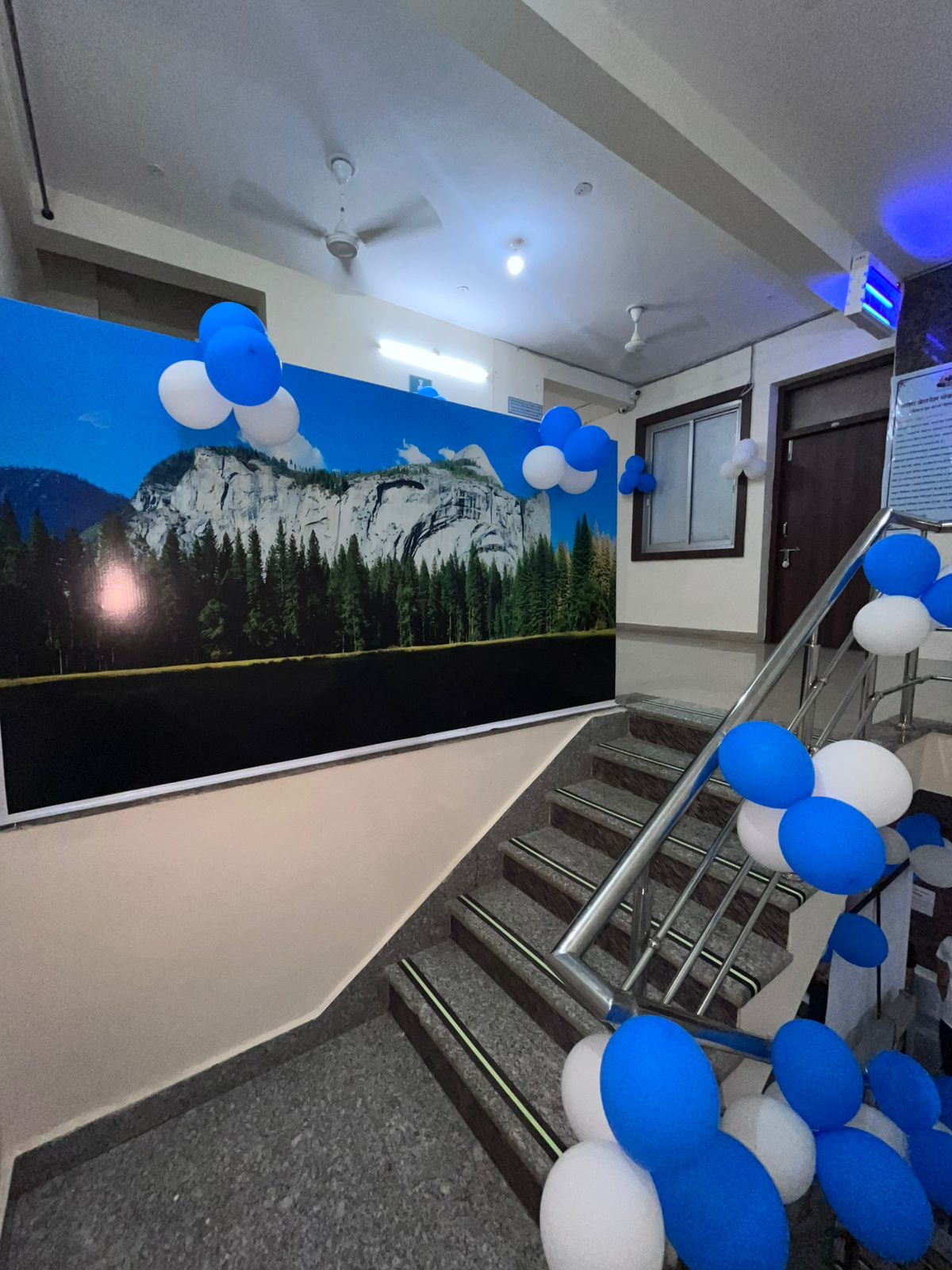
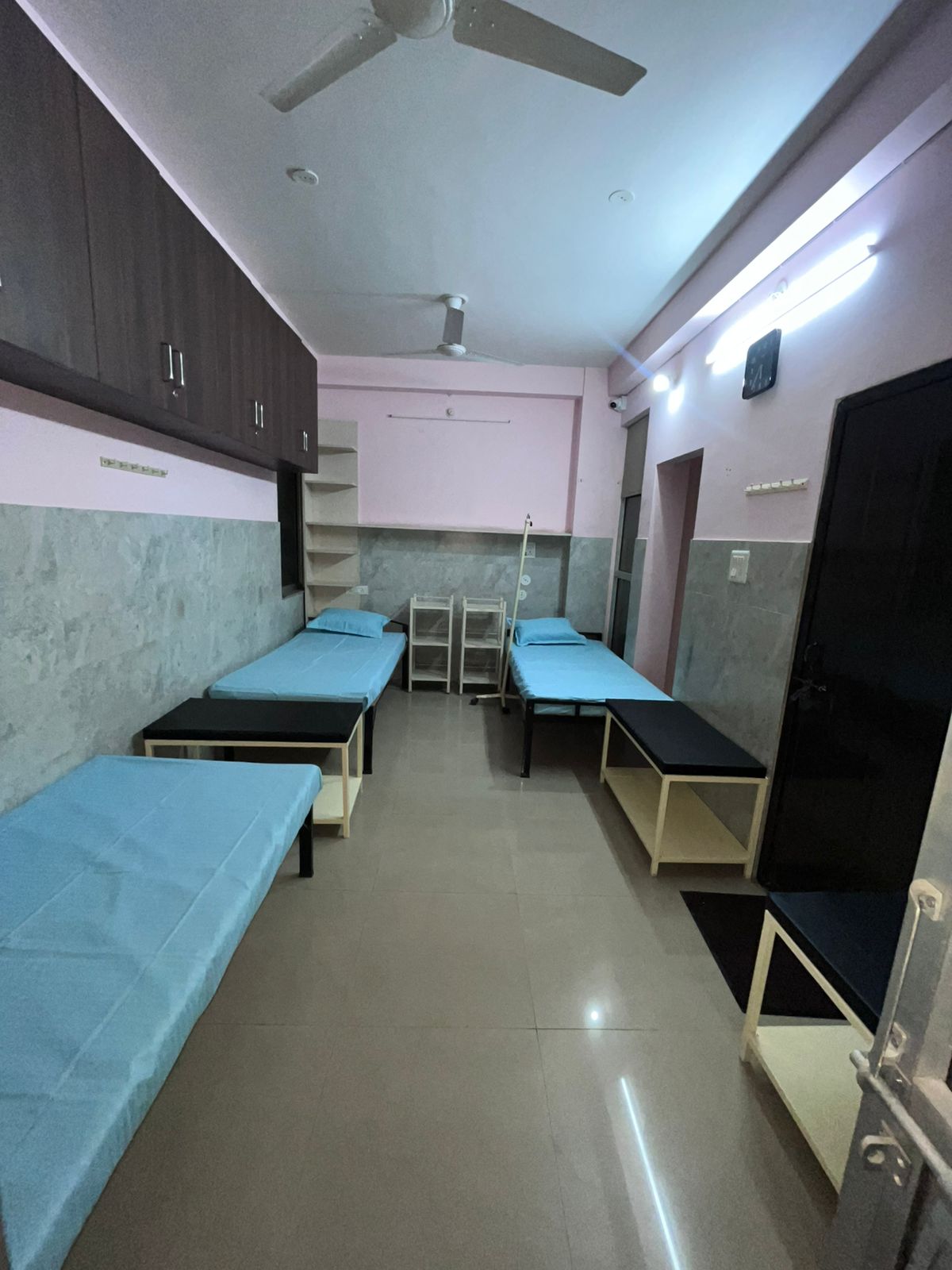
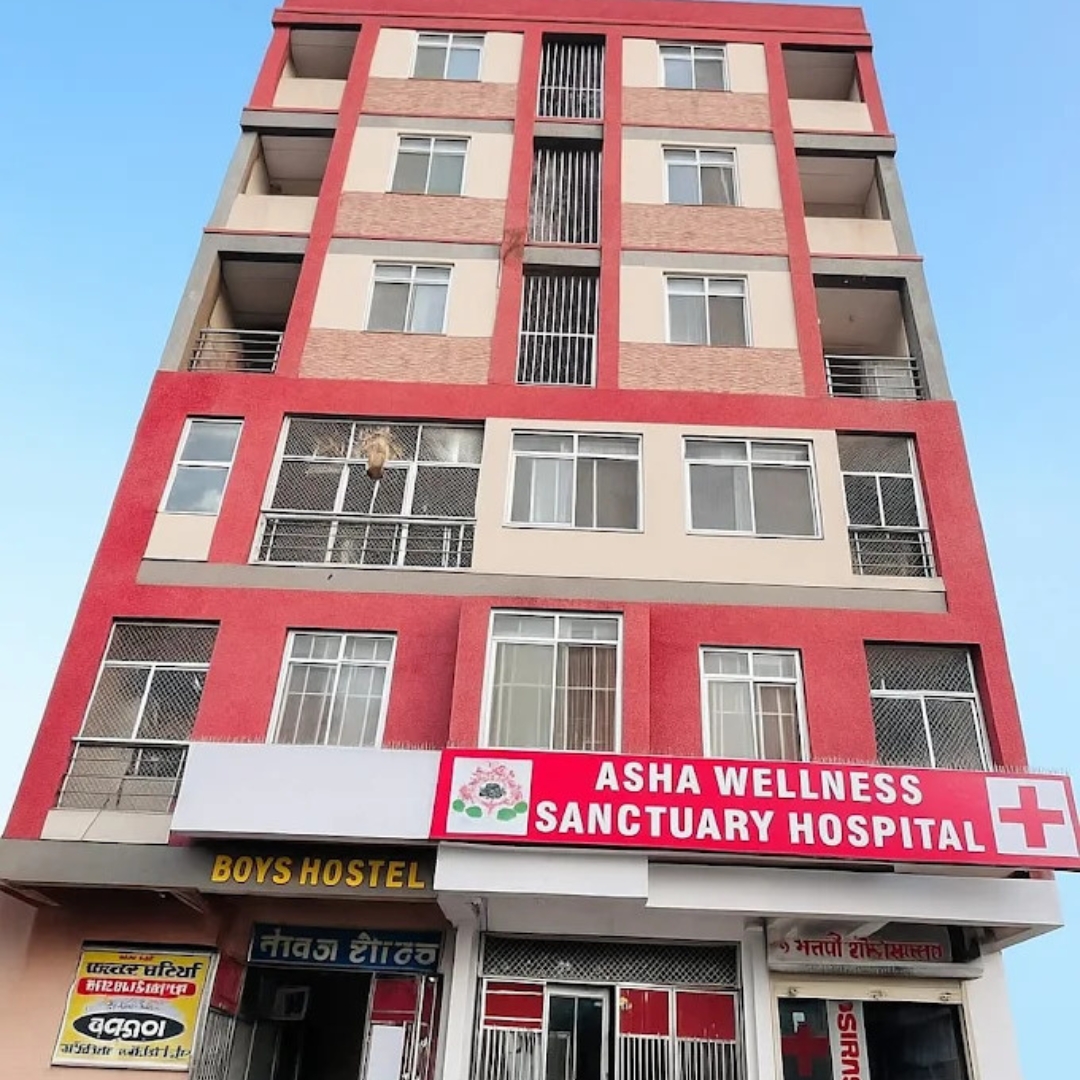
Asha Wellness Sanctuary — A Healing Space
आशा वेलनेस सैंक्चुअरी — एक उपचार का स्थान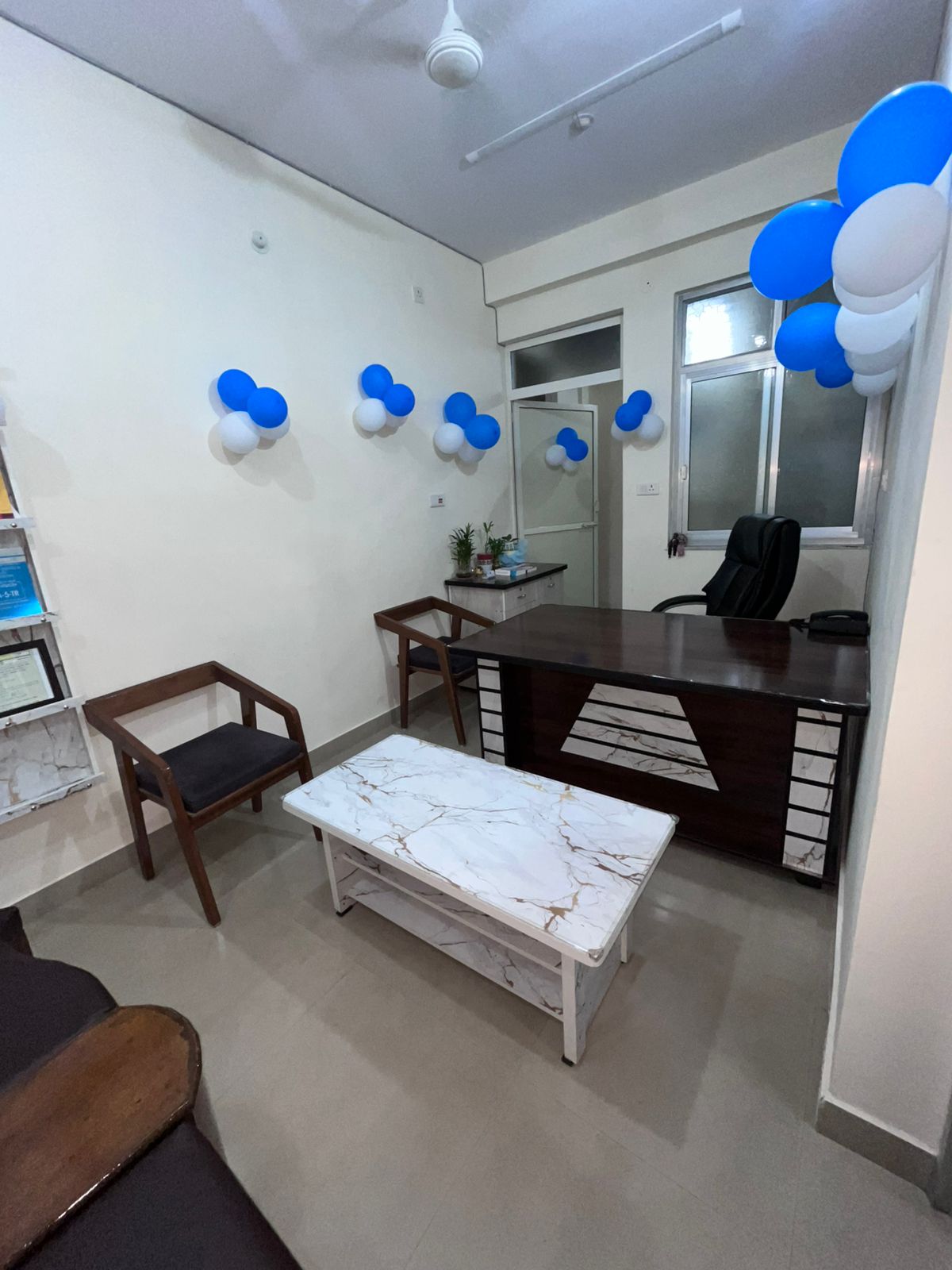
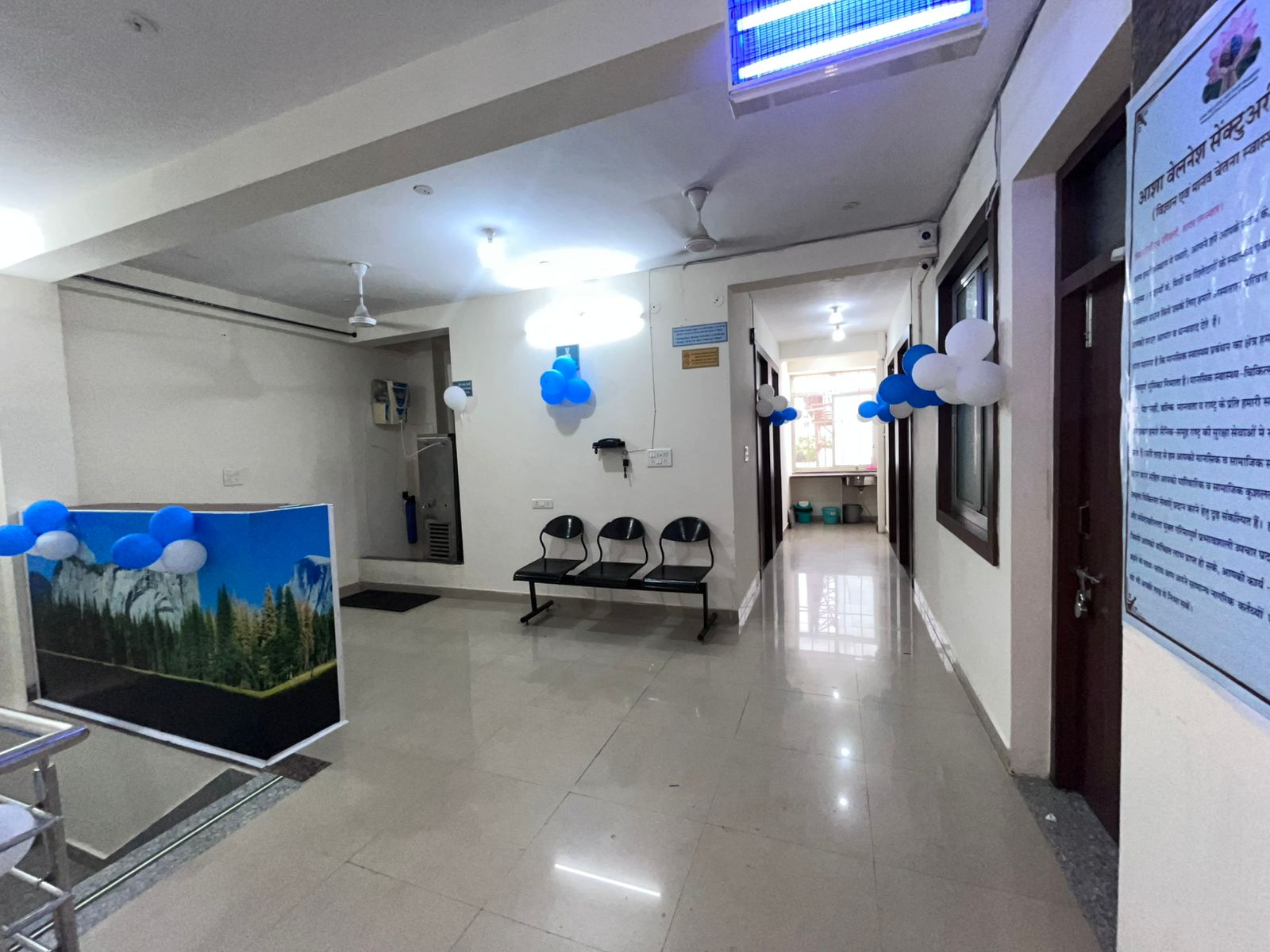
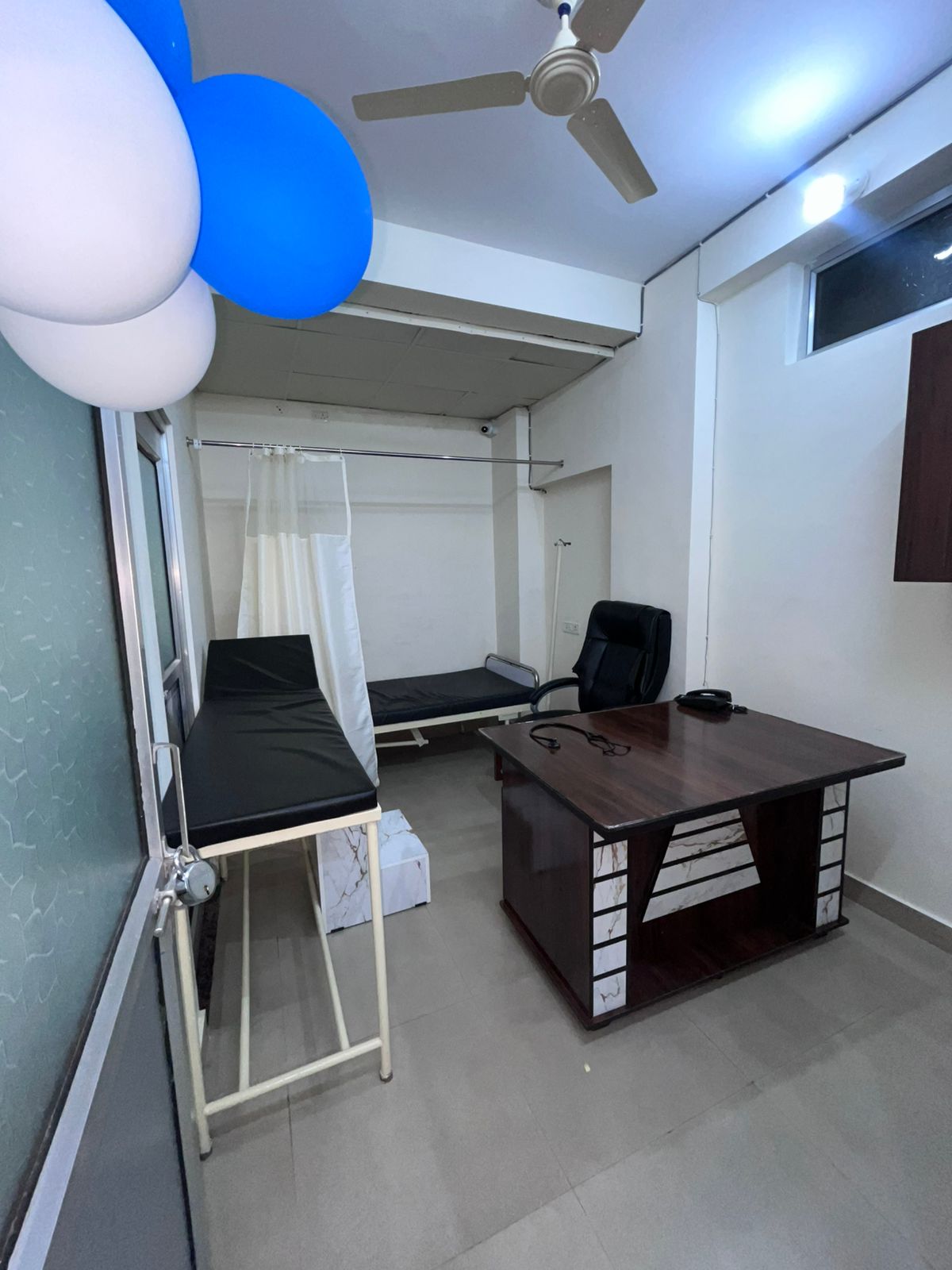
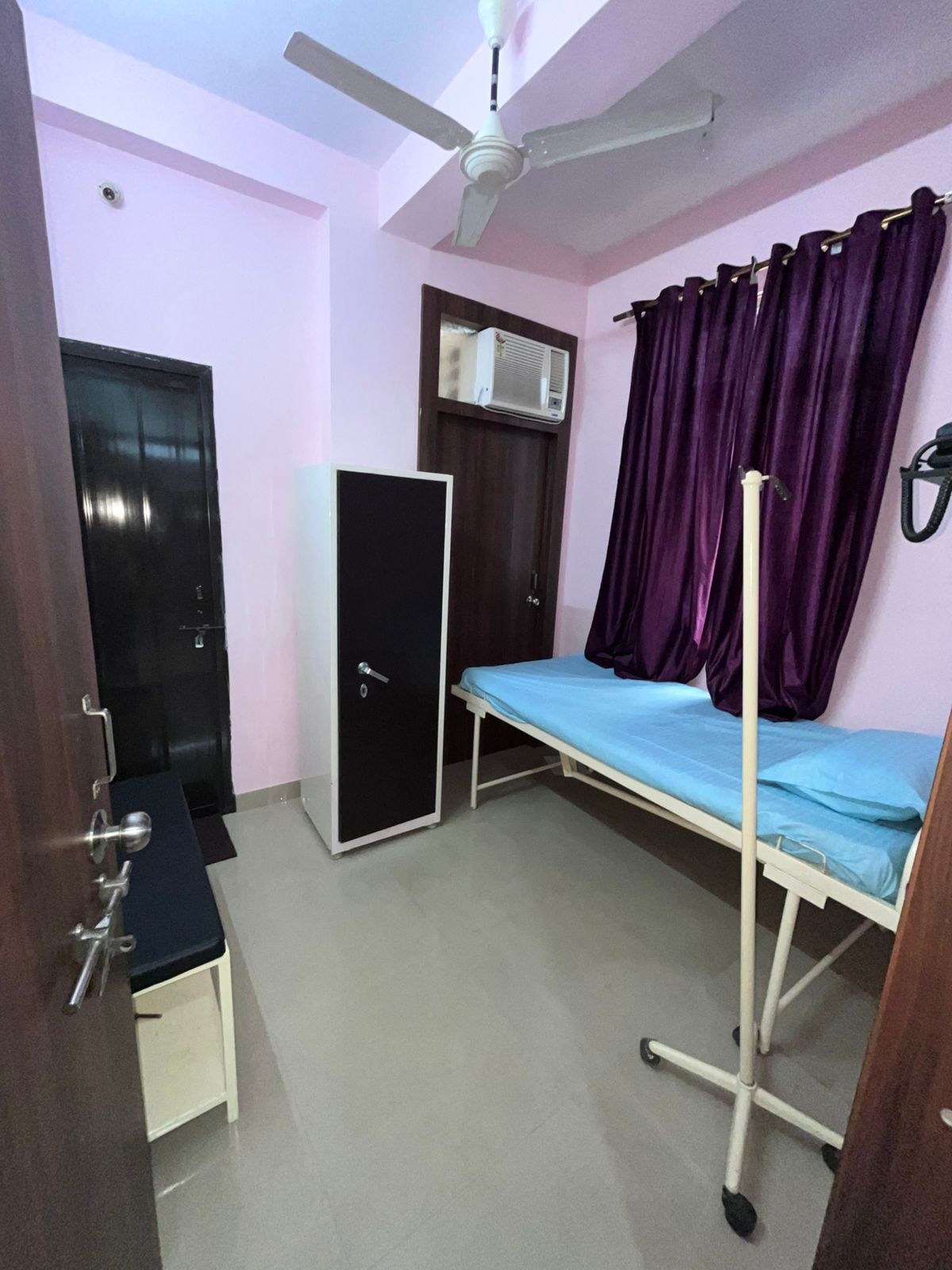

The Specialists Walking This Path With You

In my clinic I have watched patients who had not spoken coherently in years find their voice again. I have watched families who had completely given up find hope they thought was permanently gone. I have watched students who lost a year to psychosis return to their studies and clear their exams. These are not exceptional cases — they are what evidence-based treatment consistently produces when started early and maintained consistently.
SN Medical College trained me in the science. Eight years in Kota have taught me the necessity of making that science accessible in Hindi, in Rajasthani cultural frames, and at ₹500 a consultation. Both are equally necessary."

With patients, I work on the slow, patient rebuilding of cognitive function — attention, memory, social cognition, and the sense of self that psychosis has fragmented. With families, I work on expressed emotion, communication patterns, and the grief that comes with accepting what has happened and what recovery genuinely looks like.
What I never do is treat schizophrenia as a permanent identity. 'I am schizophrenic' closes every door. 'I am a person who has schizophrenia and is in treatment' opens them all. The difference is clinical, not merely semantic."
Common Questions — Answered Clearly
सामान्य प्रश्न — स्पष्ट और विस्तृत उत्तरAll Services at Asha Wellness Sanctuary, Kota
"A Diagnosis Is Not a Dead End.
It's a New Beginning."
Schizophrenia is one of the most treatable serious mental illnesses when addressed early, with expertise, and with consistency. World-class psychiatric care — in Hindi and English — at ₹500 a consultation in Kota.
Asha Wellness Sanctuary, Kota
Address
MPA-4, Mahaveer Nagar-II, near Central Public School, Kota, Rajasthan — 324005
Phone / WhatsApp
+91-7300342858Dr. Akash Parihar
Mon–Sat: 9:00 AM – 9:00 PM | Sun: 9:00 AM – 12:00 PM · ₹500
Dr. Neha Mehra
Mon–Sat: 3:00 PM – 8:00 PM | Sun: 9:00 AM – 12:00 PM · ₹500
Asha Wellness Sanctuary — A Safe Space
आशा वेलनेस सैंक्चुअरी — जहाँ विज्ञान और संवेदना मिलती है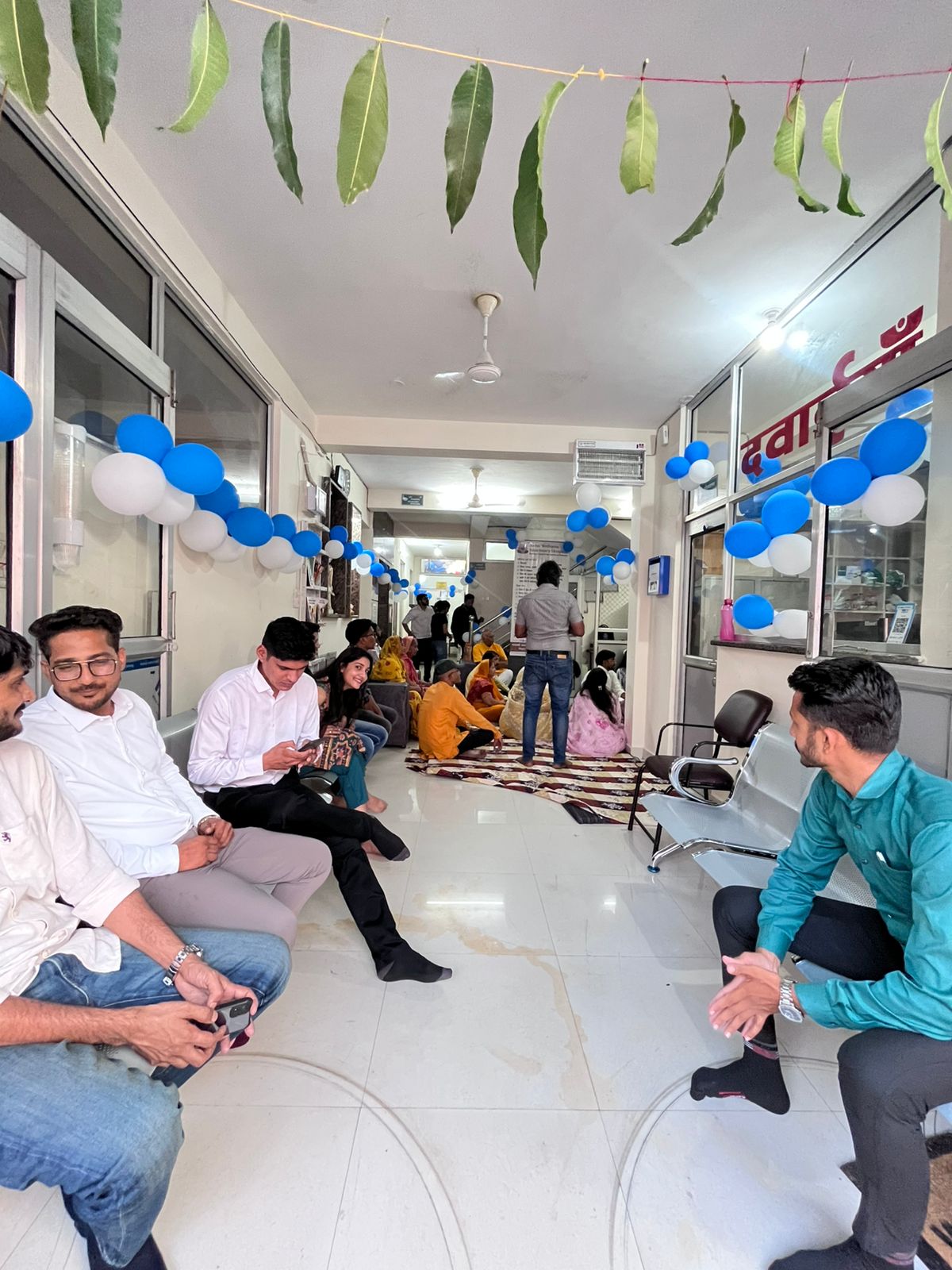
The Specialists Walking This Path With You
In my clinic, I have watched patients who had not spoken coherently in years find their voice again. I have watched families who had given up entirely find a way forward. I have watched students who lost a year to psychosis return to their studies and succeed. These are not exceptions — they are what evidence-based treatment consistently produces when started early and maintained consistently.
SN Medical College trained me in the science. Kota has taught me the necessity of making that science accessible in Hindi, in Rajasthani cultural frames, and at ₹500 a consultation. Both things are equally necessary."
With patients, I work on the slow, patient rebuilding of cognitive function — attention, memory, social cognition, and the sense of self that psychosis has fragmented. With families, I work on expressed emotion, communication patterns, and the grief that comes with accepting what has happened.
What I never do is treat schizophrenia as a permanent identity. 'I am schizophrenic' closes doors. 'I am a person who has schizophrenia and is in treatment' opens them. That difference is clinical, not merely semantic."
Common Questions — Answered Clearly
सामान्य प्रश्न — स्पष्ट और सरल उत्तरAll Services at Asha Wellness Sanctuary, Kota
"A Diagnosis Is Not a Dead End.
It's a New Beginning."
Schizophrenia is one of the most treatable serious mental illnesses when addressed early, with expertise, and maintained consistently. World-class psychiatric care — in Hindi and English — at ₹500 a consultation in Kota.
Asha Wellness Sanctuary, Kota
Address / पता
MPA-4, Mahaveer Nagar-II, near Central Public School, Kota, Rajasthan — 324005
Phone / WhatsApp
+91-7300342858Dr. Akash Parihar
Mon–Sat: 9:00 AM – 9:00 PM | Sun: 9:00 AM – 12:00 PM · ₹500
Dr. Neha Mehra
Mon–Sat: 3:00 PM – 8:00 PM | Sun: 9:00 AM – 12:00 PM · ₹500