
Healing the Wound
Time Alone Cannot Heal.
PTSD वह घाव है जो याद नहीं छोड़ता — पर ठीक हो सकता है।
यह कमज़ोरी नहीं है। यह एक दिमाग़ है जो आपकी रक्षा करने की कोशिश कर रहा था।
✦ Science & Soul in the Service of Wellness ✦
Post-Traumatic Stress Disorder is not a weakness. It is a brain that has been trying, desperately, to protect you. With evidence-based care — EMDR, TF-CBT, somatic therapy — the nervous system learns the danger is over. Recovery is not just possible. It is the expected outcome.
What is PTSD? — A Complete, Honest Explanation
Post-Traumatic Stress Disorder is one of psychiatry's most misunderstood conditions — and one of its most treatable. Understanding what it actually is dissolves the stigma and makes treatment possible.
PTSD — Simple English
Post-Traumatic Stress Disorder is a mental health condition that develops when the brain fails to properly process a terrifying, overwhelming, or life-threatening experience. It is not a weakness — it is a normal brain responding to an abnormal experience in the only way it knows how: by keeping the alarm system perpetually active, just in case the danger returns.
Why the Brain "Gets Stuck"
PTSD is fundamentally a failure of memory filing. Normally, traumatic memories are processed during sleep (particularly REM) and stored with a date-stamp — "that happened, I am safe now." In PTSD, this filing system breaks down. The memory remains perpetually active, without a "past" designation — vivid, immediate, and re-experienced as though happening right now. Every reminder re-triggers the original fear response at full intensity.
This is why telling a trauma survivor to "just forget it" is physiologically equivalent to telling a computer to ignore a corrupted file — the system will keep returning to it until the corruption is repaired.
The Event vs. The Wound
Trauma is not the event itself — it is the wound the event leaves in the nervous system. Two people can experience the same accident and one develops PTSD while the other does not. The difference lies in: prior trauma history, attachment patterns, social support available immediately after, genetics, the meaning attributed to the event, and the severity and duration of the experience. There is no "trauma threshold" that determines who deserves to suffer.
PTSD vs. Normal Stress — Know the Difference
| Feature | Normal Stress Response | PTSD |
|---|---|---|
| Duration | Fades in days to weeks | Persists over 1 month (often years) |
| Intensity | Manageable, proportional | Overwhelming, paralyzing |
| Flashbacks | Vivid but clearly past memories | Feels like it's happening right now |
| Daily Function | Can still work and study | Significant impairment in daily life |
| Triggers | Obvious and understandable | Unpredictable — sensory reminders |
| Sleep | Temporarily disrupted | Chronic nightmares, insomnia |
| Body Response | Mild tension, fades quickly | Racing heart, sweating, trembling |
| Self-Perception | Intact, resilient | "I am broken / damaged / worthless" |
What Can Cause PTSD?
The History of PTSD — From Shell Shock to Modern Science
Understanding PTSD's history reveals how long humanity has witnessed trauma's effects — and how recently we developed the language and science to treat it with dignity.
Pre-Modern Recognition
Ancient texts — from Homer's Iliad to Ayurvedic texts — describe warriors and survivors experiencing nightmares, intrusive memories, emotional numbness, and behavioral changes after battle or catastrophe. These were attributed to spiritual possession, divine punishment, or weak character — never to the event itself.
"Shell Shock" — World War I
WWI's industrial-scale combat produced thousands of soldiers with paralysis, mutism, blindness, and uncontrollable tremors with no physical wounds. Military psychiatrists named it "Shell Shock," debating whether it was physical (concussion from explosions) or psychological. Many soldiers were court-martialed for "cowardice." Charles Myers coined the term "shell shock" in 1915 — the first medical acknowledgment.
WWII — "Battle Fatigue" & "Combat Exhaustion"
WWII psychiatrists recognized that virtually any soldier, given sufficient combat exposure, would develop psychological breakdown. The concept of "emotional exhaustion" shifted the framing from character to endurance. Abraham Kardiner's "The Traumatic Neuroses of War" (1941) described the physiology of trauma — anticipating modern PTSD understanding by 40 years.
Vietnam Veterans & Feminist Psychiatry — The Dual Revolution
Vietnam veterans returning with severe psychological symptoms faced a healthcare system that had no category for their condition. Simultaneously, feminist psychiatrists — most prominently Judith Herman — began documenting the psychiatric effects of rape and domestic violence. These two movements converged to push for official recognition of trauma as a medical condition, independent of character.
DSM-III — PTSD Officially Recognized
The inclusion of PTSD in DSM-III (1980) was a political and scientific milestone — the first time a psychiatric diagnosis was partly driven by social advocacy. For the first time, trauma survivors had a name for their experience, legal recognition, and access to treatment. This single act transformed millions of lives.
EMDR Discovered — Francine Shapiro
Francine Shapiro noticed that moving her eyes while thinking about distressing thoughts reduced their emotional charge. Her subsequent research developed EMDR — now the gold-standard trauma therapy endorsed by WHO, APA, and the Indian Psychiatric Society.
The Neuroimaging Revolution
fMRI and PET scanning allowed researchers to observe PTSD's effects on the brain directly. van der Kolk's "The Body Keeps the Score" (2014) synthesized decades of neuroimaging research, demonstrating that PTSD is a measurable brain condition — not a psychological weakness. This fundamentally shifted public understanding.
ICD-11 — Complex PTSD Formally Recognized
The WHO's ICD-11 introduced Complex PTSD (CPTSD) as a separate diagnosis from PTSD — recognizing the distinct presentation of survivors of prolonged, repeated trauma (childhood abuse, domestic violence, chronic academic pressure). This provides a more accurate framework for a large segment of trauma survivors in India.
The Shoulders We Stand On
Pierre Janet (1889): First described dissociation as a trauma response — "fixed ideas" that operate outside conscious awareness.
Judith Herman (1992): "Trauma and Recovery" — defined Complex PTSD and the three-stage recovery model (Safety → Remembrance → Reconnection). First systematic clinical account of interpersonal trauma.
Bessel van der Kolk (2014): Documented trauma's physical storage in the body — muscle memory, physiological reactivity, the "body keeps the score."
Peter Levine (1997): Somatic Experiencing — trauma resolves when the body completes the interrupted threat response. "Waking the Tiger."
Stephen Porges — Polyvagal Theory: The autonomic nervous system has three states (social engagement, fight/flight, freeze) that PTSD disrupts. Trauma treatment must work through the nervous system's hierarchy.
How the Diagnosis Has Changed
DSM-III (1980): PTSD first recognized. Three symptom clusters: re-experiencing, avoidance, hyperarousal.
DSM-IV (1994): Added Criterion A1 (objective threat) and A2 (subjective response of fear/helplessness). Duration criterion: 1 month.
DSM-5 (2013): Removed subjective response requirement. Added 4th cluster: negative cognitions and mood. Added dissociative subtype. Moved out of anxiety disorders — own chapter.
ICD-11 (2022): Simplified to 3 core clusters + introduced Complex PTSD as separate diagnosis with 3 additional dimensions: emotional dysregulation, negative self-concept, relationship difficulties.
PTSD Recognition in India
PTSD recognition in India has been significantly delayed by three factors: cultural stigma around mental illness, the primacy of somatic presentations (stomach pain, headaches, fatigue) over psychological language, and limited psychiatry infrastructure. Research by Grover et al. (2013) documented somatization as the primary trauma presentation in Indian patients — meaning PTSD often presents first to gastroenterologists, neurologists, and orthopedic surgeons, not psychiatrists.
DSM-5 Diagnostic Criteria — The Complete Walkthrough
The DSM-5 (American Psychiatric Association, 2013) is the primary diagnostic framework for PTSD in India. Understanding each criterion helps patients recognize their own experience — and removes the mystery from the diagnostic process.
Criterion A — Traumatic Exposure
Exposure to actual or threatened death, serious injury, or sexual violence through: (a) Direct experience, (b) Witnessing in person, (c) Learning that a close person was exposed, (d) Repeated/extreme indirect exposure (first responders, doctors). The 2013 DSM-5 removed the requirement for a subjective response of fear — acknowledging that many trauma survivors appear calm during exposure.
- Direct exposure to the traumatic event
- Witnessing it happen to someone else
- Learning it happened to a close family member/friend
- Repeated occupational exposure (doctors, police)
Criterion B — Intrusion Symptoms (≥1 required)
The traumatic event is persistently re-experienced. This is the hallmark PTSD cluster — and the most diagnostically distinctive. Intrusion symptoms represent the brain's failed attempts to process and file the traumatic memory.
- Recurrent, involuntary, intrusive distressing memories
- Recurrent distressing nightmares related to the trauma
- Dissociative reactions (flashbacks) — feeling/acting as if trauma is recurring
- Intense/prolonged psychological distress at trauma cues
- Marked physiological reactions to internal/external trauma cues
Criterion C — Avoidance (≥1 required)
Persistent avoidance of trauma-related stimuli. Avoidance is the brain's protective strategy — but it backfires by preventing the processing needed for recovery, and progressively restricts the survivor's world.
- Avoidance of distressing trauma-related thoughts/feelings
- Avoidance of external reminders (people, places, activities, situations)
Clinical insight: Avoidance is the fuel that keeps PTSD burning. Every avoided situation sends the message: "this is still dangerous." Treatment requires carefully, compassionately, reversing avoidance patterns.
Criterion D — Negative Cognitions & Mood (≥2 required)
Persistent negative alterations in cognitions and mood — the least recognized PTSD cluster in India, because its symptoms overlap with depression. Key distinguishing feature: these beliefs are specifically connected to the trauma.
- Inability to remember key aspects of the trauma (dissociative amnesia)
- Persistent/exaggerated negative beliefs about self, others, or the world
- Persistent distorted blame of self or others for the trauma
- Persistent negative emotional state (fear, horror, anger, guilt, shame)
- Markedly diminished interest or participation in activities
- Feelings of detachment/estrangement from others
- Persistent inability to experience positive emotions
Criterion E — Hyperarousal & Reactivity (≥2 required)
Marked alterations in arousal and reactivity associated with the traumatic event. This cluster reflects the nervous system locked in "threat detection mode" — unable to power down even in objectively safe environments.
- Irritable behavior and angry outbursts
- Reckless or self-destructive behavior
- Hypervigilance — constant scanning for danger
- Exaggerated startle response
- Problems with concentration
- Sleep disturbance (difficulty falling/staying asleep, restless sleep)
Duration, Impairment & Exclusions
Criterion F (Duration): Symptoms from B, C, D, E must persist for more than 1 month. Before 1 month: Acute Stress Disorder.
Criterion G (Functional Impairment): Symptoms cause clinically significant distress or impairment in social, occupational, or other important areas of functioning — not merely a temporary disruption.
Criterion H (Exclusions): Not attributable to physiological effects of a substance (medication, alcohol) or another medical condition.
⚠️ Delayed-Expression Specifier: Full diagnostic criteria may not be met until at least 6 months after the trauma — even if some symptoms were present immediately. PTSD can emerge months or years after the event.
Self-Assessment Quiz
Check any symptoms you have experienced consistently for more than one month following a distressing event. This is a clinical screening tool, not a diagnosis — only a qualified psychiatrist can diagnose PTSD.
Select all symptoms that apply to you:
Based on DSM-5 and ICD-11 PTSD symptom clusters. Tick all that have been present for more than one month.
How Trauma Rewires the Brain
Three brain regions are most profoundly affected by trauma. Understanding this replaces self-blame with a framework for healing — PTSD is a physiological brain injury, not a character verdict.
The Alarm That Won't Stop
The amygdala is the brain's threat-detection system — ancient, automatic, and extremely fast. It processes sensory input before the conscious brain can evaluate it. In PTSD, it becomes chronically hyperactivated and hypersensitive: a smell, a sound, a posture — all can fire the full alarm at the intensity of the original trauma. The person cannot choose not to react — the response occurs faster than thought.
PTSD State: Overactive, hypersensitive, always scanningThe Filing Cabinet — Broken
The hippocampus normally "date-stamps" memories, filing them as past events: "that happened in 2020, I am safe now." Chronic cortisol from ongoing trauma physically shrinks hippocampal volume (measurable on MRI) and disrupts this filing function. Trauma memories are stored without timestamps — perpetually present-tense. A flashback is not a choice to remember — it is the memory system re-opening a file that was never properly closed.
PTSD State: Shrunken, undated memories, "files stuck open"The Logic Center — Offline
The prefrontal cortex (PFC) is the brain's rational governor — it evaluates the amygdala's alarms and sends "stand down" signals when no real threat is present. In PTSD, chronic stress hormones suppress PFC activity. The person knows rationally they are safe — but the PFC cannot deliver that knowledge to the amygdala effectively. This is why insight alone does not cure PTSD: the rational brain cannot override the alarm brain through reasoning.
PTSD State: Weakened, cannot override amygdala alarm🔑 Why This Neurobiological Understanding Changes Everything
For Patients: Your flashbacks are not signs of weakness — they are a broken filing system trying to close an unclosed file. You are not "crazy." You are physiologically injured.
For Families: Your loved one cannot "just get over it" through willpower. The prefrontal cortex — the part that would allow rational override — is the part that is suppressed by the trauma itself.
Why EMDR Works: EMDR's bilateral stimulation appears to mimic REM sleep — the brain's natural trauma-processing mechanism — allowing memories to finally be date-stamped and filed as past.
References: van der Kolk (2014); Porges Polyvagal Theory; Liberzon & Sripada neuroimaging studies; Bremner hippocampal volume research; Shapiro EMDR mechanism studies.
The Body Keeps the Score — Where Trauma Lives
Trauma is not only a psychological event. It is stored in the body — in muscles, organs, the nervous system, and even the gut's microbiome. Understanding this is the foundation of somatic healing — and explains why talk therapy alone is sometimes insufficient.
🧠 The Brain — Overloaded Alarm System
The traumatized brain cannot distinguish between past danger and present safety. The amygdala fires continuously. The prefrontal cortex is suppressed. The result: a person who intellectually knows they are safe but cannot feel safe. This is not irrationality — it is neurobiology. The brain's threat-detection system has been permanently upgraded to a higher sensitivity setting by the trauma.
🫀 The Chest — The Breath-Heart Loop
Trauma survivors report chronic chest tightness, rapid heartbeat, and difficulty breathing deeply — even outside obvious trigger situations. The vagus nerve (connecting brain to heart and gut) is dysregulated, maintaining the body in a continuous low-level threat state. Heart Rate Variability (HRV) — a measurable physiological marker — is consistently reduced in PTSD. Breathing exercises directly stimulate the vagus nerve, providing measurable calm within minutes.
💪 Shoulders & Neck — "Muscle Armoring"
Wilhelm Reich first described "character armoring" — the way chronic emotional tension is stored in specific muscle groups. In trauma survivors, the shoulders, neck, jaw, and upper back are classic sites of protective tension. The muscles have been braced for impact so long they have forgotten how to release. This is not "stress" — it is the body maintaining a physical defense posture that was appropriate during the trauma and has not been switched off. Somatic therapy specifically targets this through body-awareness practices.
🌀 The Gut — The Second Brain
The Gut-Brain Axis is physiology, not metaphor. 90% of serotonin is produced in the gut. The gut contains more nerve cells than the spinal cord. Trauma survivors frequently experience chronic acidity, IBS, nausea, and "nervous stomach" — direct responses to the vagus nerve's altered state. In India, this is particularly significant: Grover et al. (2013) documented somatization as the primary trauma presentation in Indian patients, meaning digestive and physical complaints often precede psychological recognition of PTSD by years.
😴 Sleep — Where the Nervous System Tries to Heal
REM sleep is the brain's natural trauma-processing mechanism. During REM, traumatic memories are processed with reduced stress hormone levels — the brain's attempt to file and neutralize the experience. In PTSD, this process is overwhelmed: the brain tries to process during REM, gets flooded, and generates nightmares. PTSD disrupts sleep architecture so severely that the processing mechanism fails entirely. Treating sleep is often the critical first step — and EMDR's bilateral stimulation appears to work, in part, by mimicking REM processing.
💑 Intimacy & Touch — The Push-Pull Dynamic
Trauma — particularly interpersonal trauma — disrupts the capacity for safe, nurturing physical contact. Survivors may experience low libido, pain during intimacy, complete avoidance of touch, or conversely, hypersexual behavior as a dissociative coping mechanism. This is the push-pull dynamic: the nervous system registers closeness as potential threat even when the conscious mind wants connection. Sexual health and trauma are intrinsically connected — yet the most commonly unaddressed dimension in Indian psychiatric care.
The Window of Tolerance
Developed by Dan Siegel and central to all modern trauma-informed therapy — this framework helps patients understand why they swing between overwhelm and numbness, and why "talking about it" sometimes makes things worse rather than better.
Too Much — Overwhelmed
The nervous system is overwhelmed. The amygdala has taken over completely. Rational thought barely functions. This is where trauma survivors go when triggered — the brain literally cannot access higher reasoning functions.
Where Healing Happens
In this zone, the nervous system is regulated. Neither overwhelmed nor shut down. Learning, therapy, connection, and post-traumatic growth all require being here. Every PTSD treatment works to expand this window.
Too Little — Disconnected
The nervous system has collapsed into protective "freeze." Conserving energy, shutting down feeling, disconnecting from reality. Often confused with "being fine" by observers — but internally it is profound dissociation.
Concept: Dan Siegel (1999); applied in all modern trauma-informed care frameworks.
Why This Changes How We Do Therapy
Traditional talk therapy — "tell me about what happened" — can inadvertently push a trauma survivor into the hyper-arousal zone (flooded with the trauma) or hypo-arousal zone (dissociated and unreachable). In either state, therapeutic processing is impossible.
Effective trauma therapy — particularly EMDR and Somatic Experiencing — is specifically designed to keep the patient inside their window of tolerance during processing: close enough to the trauma memory to process it, but not so close they are overwhelmed.
This is why trauma therapy is different from other therapy — and why attempting to process trauma without professional guidance can sometimes worsen symptoms temporarily.
The Limits of Pure Talk Therapy
When a trauma survivor is pushed out of their Window of Tolerance — either into overwhelm or shutdown — they cannot process the experience therapeutically. The brain's language centers (Broca's area) literally deactivate during flashbacks and severe overwhelm. This is why van der Kolk's research showed that body-based approaches (EMDR, somatic therapy, yoga) often outperform traditional talk therapy alone for trauma — because they work at a neurological level below language.
Tolerance Window — आपके लिए क्या मतलब है?
Complex PTSD — The Hidden Diagnosis
ICD-11 (2022) formally recognized Complex PTSD as a distinct diagnosis — acknowledging what clinicians had observed for decades: survivors of prolonged, repeated trauma develop a distinctive symptom pattern that standard PTSD frameworks don't fully capture.
PTSD + Three Additional Dimensions
Complex PTSD (ICD-11 code 6B41) is diagnosed when all PTSD criteria are met, PLUS three additional symptom clusters are present — reflecting the deeper identity and relational disruption of prolonged trauma. Unlike single-event PTSD (car accident, assault), Complex PTSD develops from sustained, inescapable trauma: childhood abuse, domestic violence, prolonged academic trauma, captivity, or repeated institutional trauma.
Common Presentations in India
- 📚 Students spending 3–5 years in Kota's coaching ecosystem under extreme pressure
- 🏠 Survivors of prolonged domestic violence or childhood emotional/physical abuse
- 👨⚕️ Healthcare workers after COVID-19's second wave — repetitive death exposure
- ⚖️ Survivors of sustained workplace bullying or institutional abuse
- 👦 Adults with documented childhood neglect or emotional unavailability
Key Differences
| Dimension | PTSD | Complex PTSD |
|---|---|---|
| Trauma type | Single event or short-term | Prolonged, repeated, inescapable |
| Identity | Largely intact | Core self disrupted |
| Emotions | Reactive to triggers | Chronic dysregulation |
| Relationships | Strained but functional | Severely disrupted patterns |
The Three Additional ICD-11 Dimensions of Complex PTSD
Beyond standard PTSD symptoms, Complex PTSD requires all three of these to be present:
1. Emotional Dysregulation
Severe difficulty regulating emotional responses — extreme emotional reactivity that seems disproportionate, or conversely, complete emotional numbness. The emotional thermostat was calibrated during chronic trauma and now misfires.
2. Negative Self-Concept
A deeply held belief that one is fundamentally defective, worthless, or permanently damaged. This is not ordinary low self-esteem — it is a core identity wound that the trauma created. "I am broken. There is something wrong with me that cannot be fixed."
3. Disturbances in Relationships
Profound difficulty maintaining relationships — a push-pull dynamic between desperate need for closeness and terror of intimacy. Difficulty trusting, difficulty maintaining boundaries, patterns of re-traumatizing relationships, or complete withdrawal from all close relationships.
PTSD Across Gender & Age — Different Faces
PTSD does not present the same way in everyone. Gender, age, and cultural context shape how symptoms manifest — and how they are misrecognized or minimized.
Men — The Masked Presentation
Men are significantly less likely to be diagnosed because their symptoms rarely match the "flashbacks and crying" stereotype. Cultural pressure — particularly in India — to be stoic further suppresses recognition and help-seeking.
- Anger outbursts and irritability as primary presenting symptom
- Alcohol, tobacco, or other substances as self-medication for hyperarousal
- Risk-taking behavior — a "controlled danger" substitute
- Complete emotional shutdown and relationship withdrawal
- Extreme difficulty acknowledging distress ("log kya kahenge")
- Sexual dysfunction without clear physical cause
Women — The Internalizing Pattern
Women are twice as likely to develop PTSD after trauma exposure. Their presentation tends toward internalization — physical symptoms, emotional collapse, and relationship disruption rather than overt behavioral acting-out.
- Dissociation — feeling unreal, watching oneself from outside
- Chronic physical symptoms: pain, fatigue, headaches, digestive problems
- Intense anxiety and hypervigilance in public spaces
- Disrupted attachment and self-destructive relationship patterns
- Perinatal PTSD — trauma during/after pregnancy or birth complications
- Self-blame and deep shame disproportionate to the trauma
Children & Adolescents — Developmental Disruption
In children, PTSD often goes unrecognized because symptoms look like behavioral problems. In Kota's coaching ecosystem, academic PTSD in adolescents is particularly under-recognized.
- Regression — bedwetting, thumb-sucking in older children
- Sudden behavioral changes: aggression or extreme withdrawal
- Academic decline — brain stuck in threat-detection, not learning
- Separation anxiety and fear of sleeping alone
- Repetitive traumatic play — re-enacting the event in play
- Nightmares and sleep refusal; fear of being alone
Trauma in India — The Kota Context
Trauma is universal — but its triggers, expression, and cultural barriers to treatment are specific. Understanding India's unique trauma landscape — particularly Kota's coaching ecosystem — makes both recognition and treatment more effective.
The "Kota Crisis" — Academic Trauma
The coaching ecosystem of Kota creates a specific, chronic form of psychological trauma that is only recently being recognized as such. Unlike single-event PTSD, academic trauma is cumulative — each exam failure adding to an accumulating trauma load, with no recovery period between events.
- Repetitive failure in NEET/JEE mock tests — each result a new micro-trauma
- Social isolation: surrounded by thousands, known by none
- Identity collapse: the "Aspirant Identity" trap — rank as entire selfhood
- Witnessing peer suicides or crises — vicarious trauma
- "Silent PTSD" — the brain that cannot switch off even after exams end
- Moral injury: crushing guilt of "failing" family expectations
Indian Family System Traumas
The Indian family structure, while a profound source of support, can also be the source of psychological wounds that are culturally minimized or entirely invisible — because the harm is delivered by the same people who are supposed to protect.
- "Log kya kahenge" — lifelong emotional suppression and absence of personal autonomy
- COVID-19 collective trauma — loss, witnessing ICU deaths, survivor's guilt
- Domestic violence PTSD — compounded by cultural inability to disclose
- Arranged marriage adjustment trauma — acute autonomy disruption
- Intergenerational trauma — transmitted family patterns of abuse or neglect
- Caregiver burnout — chronic trauma from caring for ill family members
Modern & Digital Traumas
The 21st century has created entirely new trauma categories — for which existing social frameworks provide no language, no rituals of healing, and no cultural acknowledgment. These are often the most isolated and stigmatized traumas.
- Cyberbullying PTSD — permanent, viral, impossible to escape
- Digital trauma: doomscrolling through disaster news, graphic content exposure
- Social media public humiliation — identity collapse in public
- Medical trauma: ICU experiences, surgery fear, post-COVID health anxiety
- Road accident PTSD — extremely common, profoundly undertreated in India
- Exam hall panic — conditioned trauma response to academic settings
Occupational Trauma — The Helping Professions
Entire professional categories carry chronic, unaddressed trauma burdens that are normalized within their fields. The cultural message: this is what the job requires. The psychiatric reality: sustained occupational trauma creates the same neurological changes as any other PTSD.
- Doctors & medical staff: patient deaths, overwhelm, COVID second wave
- Police & security: repeated violence exposure, moral injury
- Truck & bus drivers: accident witnesses, road violence risk
- Journalists: vicarious trauma from covering disasters and violence
- Teachers in Kota's coaching: secondary trauma from student crises
- Emergency responders: repeated exposure to human suffering
The Treatment Landscape — EMDR, TF-CBT, and Beyond
PTSD is one of the most treatable conditions in all of psychiatry. Multiple evidence-based approaches exist, each with strong randomized controlled trial support. Treatment choice depends on trauma type, complexity, severity, and individual preference.
| Treatment | What It Is | Mechanism | Evidence & Notes |
|---|---|---|---|
EMDR 🥇 WHO Gold Standard |
Eye Movement Desensitization and Reprocessing. Bilateral stimulation (eye movements, taps, or auditory tones) while the patient briefly and safely accesses traumatic memories. Endorsed by WHO, APA, NICE, and the Indian Psychiatric Society. | Bilateral stimulation appears to mimic REM sleep — the brain's natural trauma-processing mechanism. This allows "stuck" memories to be reprocessed and filed as past rather than continuously re-experienced as present threat. | 60–80% of patients achieve full recovery criteria in 8–12 sessions (Shapiro, multiple RCTs). Works without requiring detailed narration of trauma — crucial for patients who cannot yet verbalize. Available at Asha Wellness Sanctuary: ₹500/session with Dr. Neha Mehra. |
TF-CBT Trauma-Focused CBT |
Cognitive Behavioral Therapy specifically adapted for trauma — including gradual, controlled exposure to trauma memories in a safe therapeutic environment, cognitive restructuring of trauma-related beliefs, and skills for emotional regulation. | Changes the thought patterns ("I am permanently broken"), avoidance behaviors, and distorted beliefs that maintain PTSD. Particularly effective for shame-based and guilt-based trauma narratives common in Indian cultural context. | Foa et al. (multiple RCTs) — TF-CBT reduces PTSD symptoms by 60%+ in 12 sessions. Strongly evidence-based. Particularly effective for sexual trauma, accident trauma, and single-event PTSD. Combined with EMDR for maximum efficacy. |
Somatic Experiencing Body-Based Healing |
Peter Levine's approach targets trauma stored in the body — in muscle tension, breathing patterns, and nervous system dysregulation — rather than only in thoughts and memories. Works through body awareness, titrated sensation, and completion of interrupted biological threat responses. | Releases the physical tension and nervous system dysregulation that talk therapy cannot fully reach. Completes the interrupted "freeze/flight" responses that became encoded in the body during trauma. | Levine (1997, 2010); van der Kolk RCT showing yoga/body-based work as effective intervention. Particularly valuable for pre-verbal trauma, complex PTSD, and when patients cannot verbalize trauma. Integrated into all therapy at Asha Wellness. |
Medication SSRIs + Adjuncts |
SSRIs (sertraline, paroxetine — FDA-approved for PTSD) reduce hyperarousal and improve mood stability, making engagement in therapy possible. Prazosin specifically targets nightmares. Sleep stabilizers address disrupted sleep architecture. | Resets brain chemistry to a baseline where therapy can be engaged effectively. Not a standalone cure — medication + therapy produces outcomes superior to either alone. Dr. Parihar's approach: transparent, collaborative, minimum effective dose. | APA Practice Guidelines for PTSD medication; Brady et al. sertraline trials; Raskind et al. prazosin for nightmares. Goal: therapy-enabled recovery, not indefinite medication. Duration determined collaboratively with patient. |
DBT Skills Dialectical Behavior Therapy |
Originally developed by Marsha Linehan for emotional dysregulation, DBT's skills (distress tolerance, emotion regulation, interpersonal effectiveness, mindfulness) are highly applicable to Complex PTSD — particularly the emotional dysregulation component. | Provides a systematic skill-set for managing the emotional floods, interpersonal difficulties, and identity disruption of Complex PTSD — before, during, and after deeper trauma processing. | Strongly evidence-based for emotion dysregulation in trauma contexts. Particularly valuable for adolescents with academic trauma and for Complex PTSD patients with self-harm history. |
Mindfulness & Yoga Integrative |
Mindfulness-Based Stress Reduction (MBSR), yoga, and pranayama — rebuilding body awareness and the body-mind connection fractured by trauma. Particularly accessible in Indian cultural context as extensions of established practice. | Restore present-moment body awareness and safety — the foundation of lasting trauma recovery. Reconnect to the body as a source of information rather than a source of threat. | van der Kolk et al. RCT (2014) — yoga as effective trauma intervention. Particularly valuable as adjunct to EMDR and as a daily self-regulation practice. Most culturally accessible for Indian patients. |
How Dr. Parihar Chooses Your Treatment
Mild-Moderate PTSD: EMDR or TF-CBT alone, no medication required.
Moderate-Severe PTSD: EMDR + SSRI + sleep support if disrupted.
Complex PTSD: Stabilization first (DBT skills) → EMDR phase → integration work.
Acute crisis: Safety planning + stabilization techniques before any processing begins.
Child/adolescent: TF-CBT preferred; family involvement essential.
All treatment decisions are made collaboratively — no medication without full explanation.
Complete Trauma Care Under One Roof
Dr. Akash Parihar (MD Psychiatry): Trauma-informed assessment, psychopharmacology, TF-CBT, DBT, complex case management. Mon–Sun 9AM–9PM (Sun till 12PM). ₹500.
Dr. Neha Mehra (Psychologist, EMDR Certified): EMDR, Somatic Experiencing, TF-CBT, attachment-based work. Mon–Sat 3–8PM, Sun 9AM–12PM. ₹500/session.
The Recovery Timeline — What to Expect
Recovery from PTSD is not linear — but it has a recognizable, predictable trajectory. Most patients pass through these stages with evidence-based treatment. Knowing the map reduces fear of the journey.
⚠️ Complex PTSD note: The timeline extends significantly — 12–24 months is typical for severe Complex PTSD. But the destination remains the same. Full recovery is achievable. The timeline is longer; the outcome is not diminished.
The Emergency Calm Toolkit — Use Right Now
These are evidence-based techniques that directly activate the parasympathetic nervous system — the body's "rest and digest" state. Use them when overwhelmed, triggered, or in the middle of a flashback. They work at the physiological level, independent of belief or practice.
5-4-3-2-1 Grounding — Return to Now
During a flashback, the brain is re-experiencing the past. This technique uses your five senses to prove to your amygdala: you are here, in the present, safe. Works by activating the prefrontal cortex.
Say them aloud if possible — speaking activates the social nervous system, adding an additional safety signal to your brain.
Box Breathing — Reset the Vagus Nerve
The 4-4-4-4 technique directly stimulates the vagus nerve — the body's primary parasympathetic pathway. Used by Navy SEALs, trauma therapists, and emergency responders worldwide. Measurable physiological calm within 90 seconds.
Advanced: extend exhale to 6 counts (4-4-6) for stronger parasympathetic activation.
Cold Water Reset — The Dive Reflex
Splash cold water on your face, or hold ice for 30 seconds. This activates the "mammalian dive reflex" — an automatic parasympathetic response that immediately slows heart rate by 10–25% and reduces panic intensity measurably.
Safe Place Visualization — Neural Safety Signal
Close your eyes and vividly imagine a place where you have felt completely safe — real or imagined. Engage all five senses in detail. The brain activates similar neural pathways whether experiencing or vividly imagining — making this a powerful neurological safety signal.
This technique is used as a stabilization exercise before every EMDR session. It is the first tool Dr. Neha teaches new patients.
The Six Myths That Prevent Recovery
These myths delay treatment by months or years. Each one is medically inaccurate. Flip each card to discover what the evidence actually shows. (Click or tap each card)
"PTSD only happens to soldiers and war veterans."
PTSD develops after any overwhelming experience — road accidents, medical trauma, childhood abuse, academic pressure, relationship violence, witnessing harm. In India, road accident PTSD, academic trauma, and medical trauma are among the most common presentations. No trauma is "unworthy" of treatment.
"PTSD is a sign of weakness or poor character."
PTSD is a physiological brain injury — measurable on MRI (hippocampal volume reduction). The most documented PTSD populations include military personnel, emergency doctors, and high-performance athletes. Strength does not prevent PTSD. It develops in the strongest people who faced overwhelming events without adequate support.
"Time heals PTSD — just wait it out."
Without treatment, PTSD typically persists for years or decades — and often worsens as avoidance strategies accumulate and restrict life further. Secondary complications (depression, substance use, relationship collapse) compound over time. Early treatment produces dramatically better outcomes. Time does not heal — treatment heals.
"You must talk about trauma in detail for therapy to work."
EMDR achieves profound healing without requiring extensive narration of traumatic events. Patients only briefly access a traumatic memory — often just an image — while the bilateral stimulation does the neurological processing work. Many patients prefer EMDR precisely because it heals deeply without repeatedly describing painful content in detail.
"Yeh sab toh dimaag ki baat hai — soch badlo."
Yes, it is "dimaag ki baat" — but the brain is a physical organ with measurable injuries. PTSD involves documented changes in amygdala hyperactivity, hippocampal volume loss, and HPA axis dysregulation. "Just think positive" cannot re-file a memory that the brain's filing system has lost — any more than willpower can re-set a broken bone.
"PTSD cannot be fully cured — you just manage it forever."
EMDR has the strongest evidence for full recovery of any psychological treatment (60–80% achieving complete remission). Many former PTSD patients report not just absence of symptoms but post-traumatic growth — becoming more empathetic, resilient, and authentically themselves through the healing process. Recovery is the expected outcome.
What to Say — And What Not to Say
The language used by family and friends in response to trauma can significantly accelerate or hinder recovery. These guidelines are based on clinical evidence and the direct feedback of trauma survivors.
Well-intentioned words that cause harm:
Words that create safety and support healing:
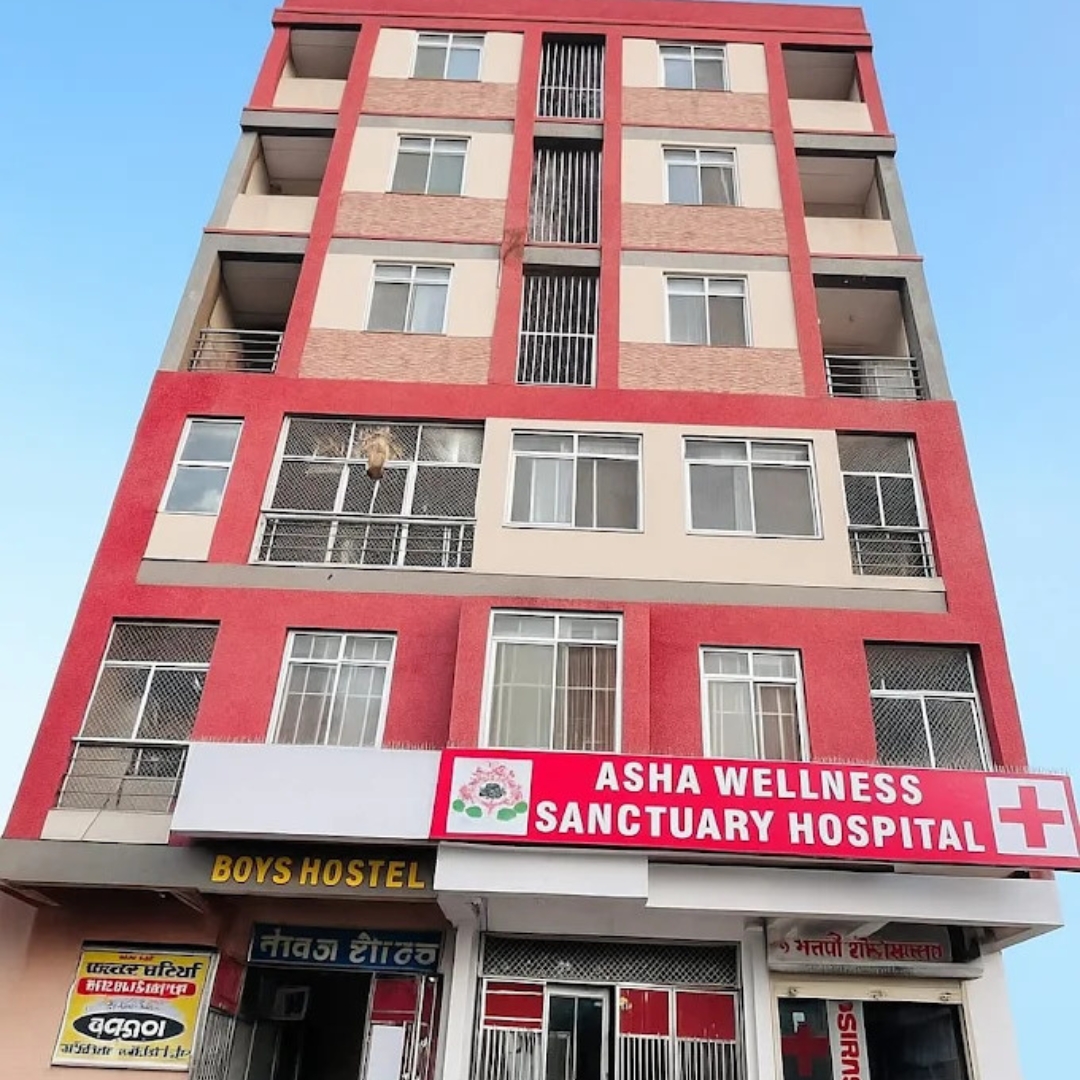
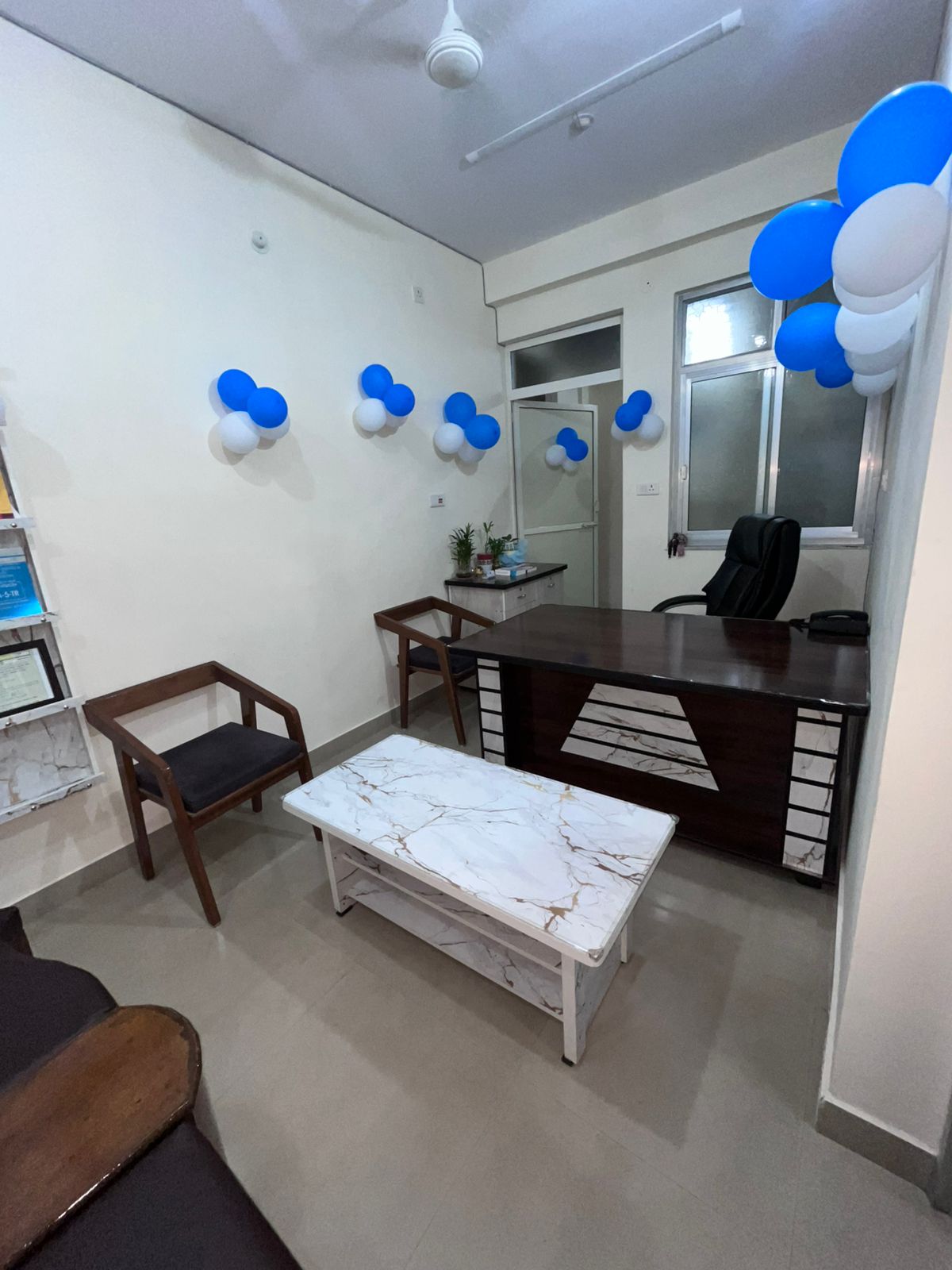
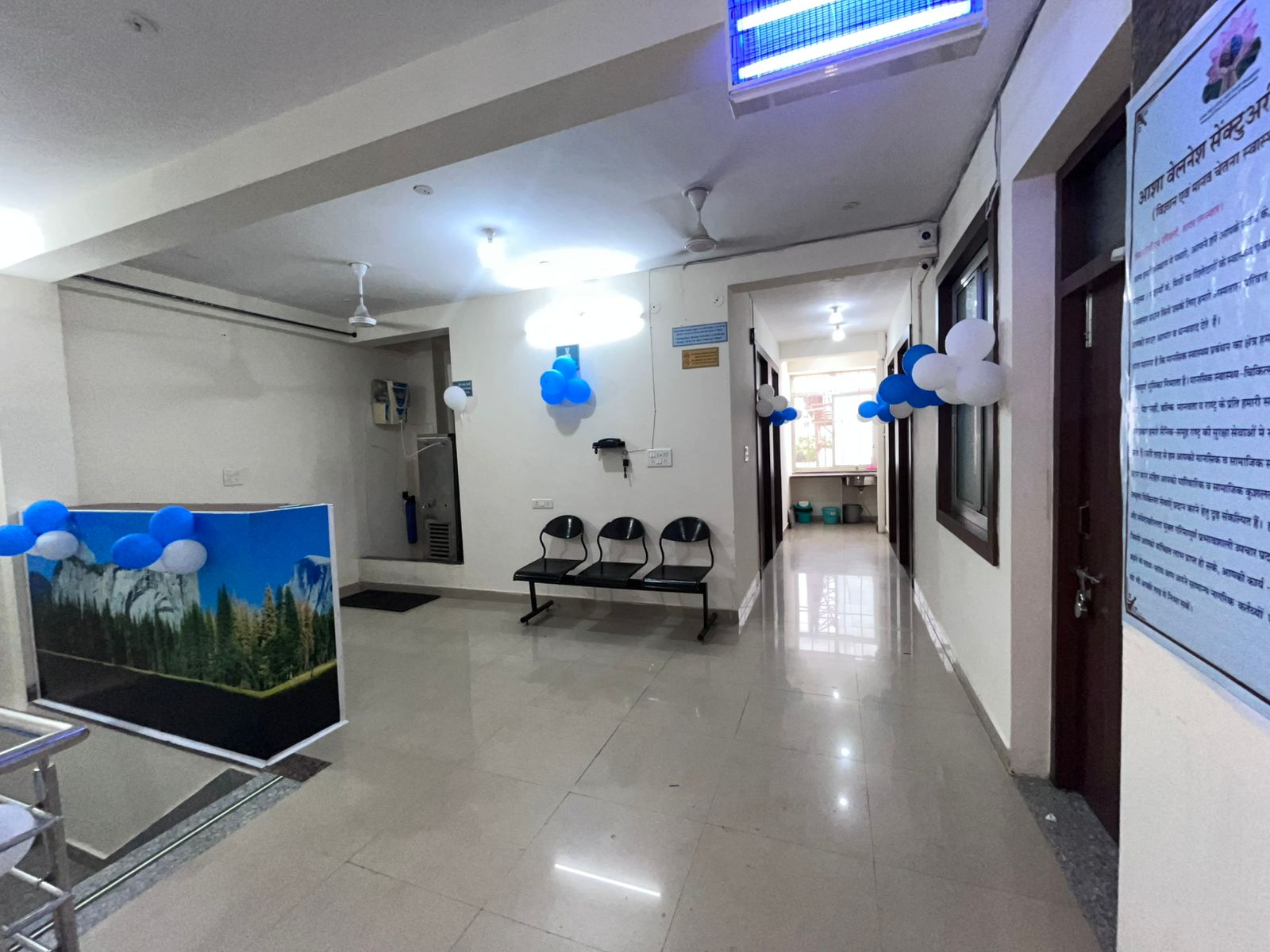
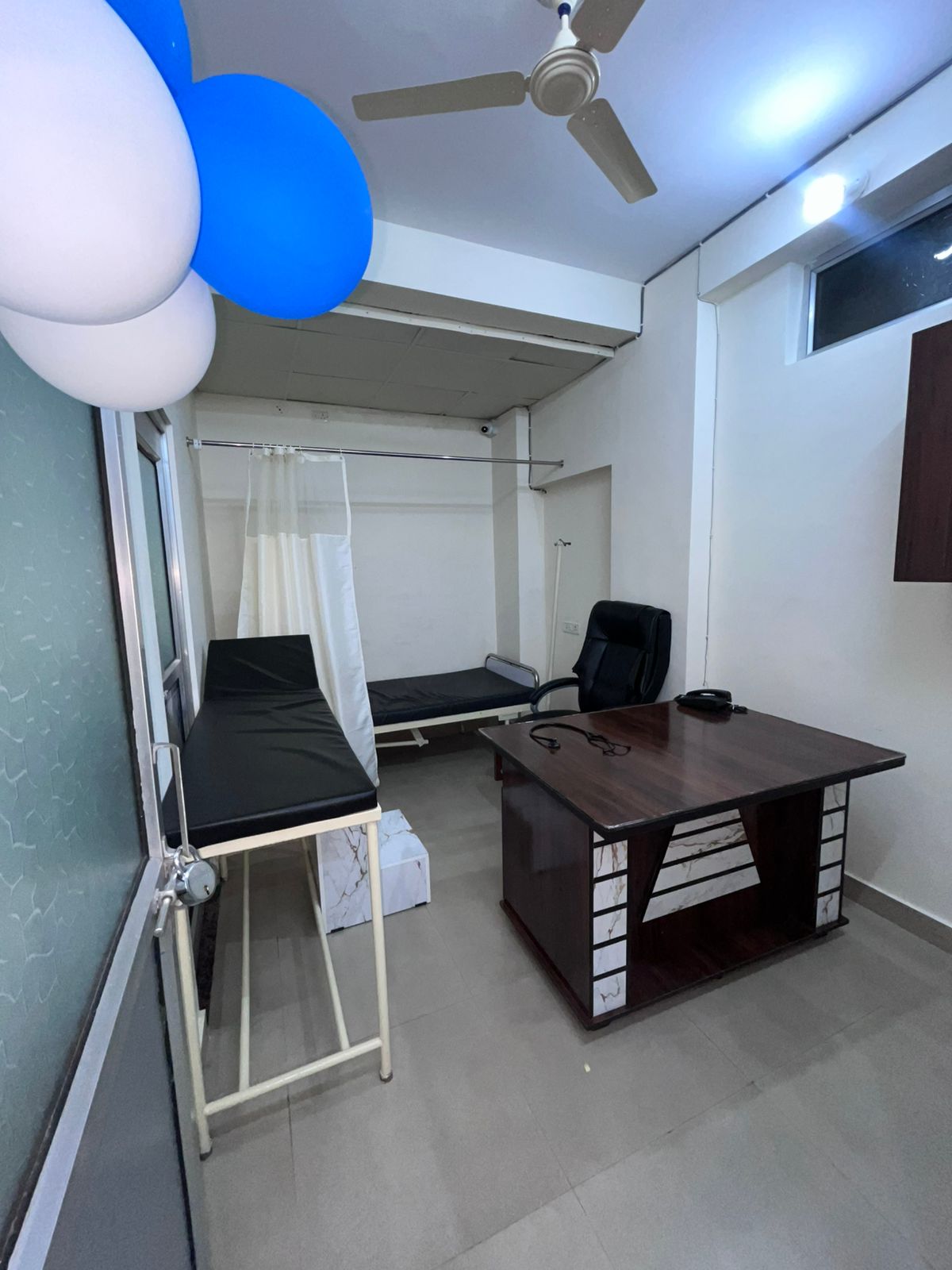
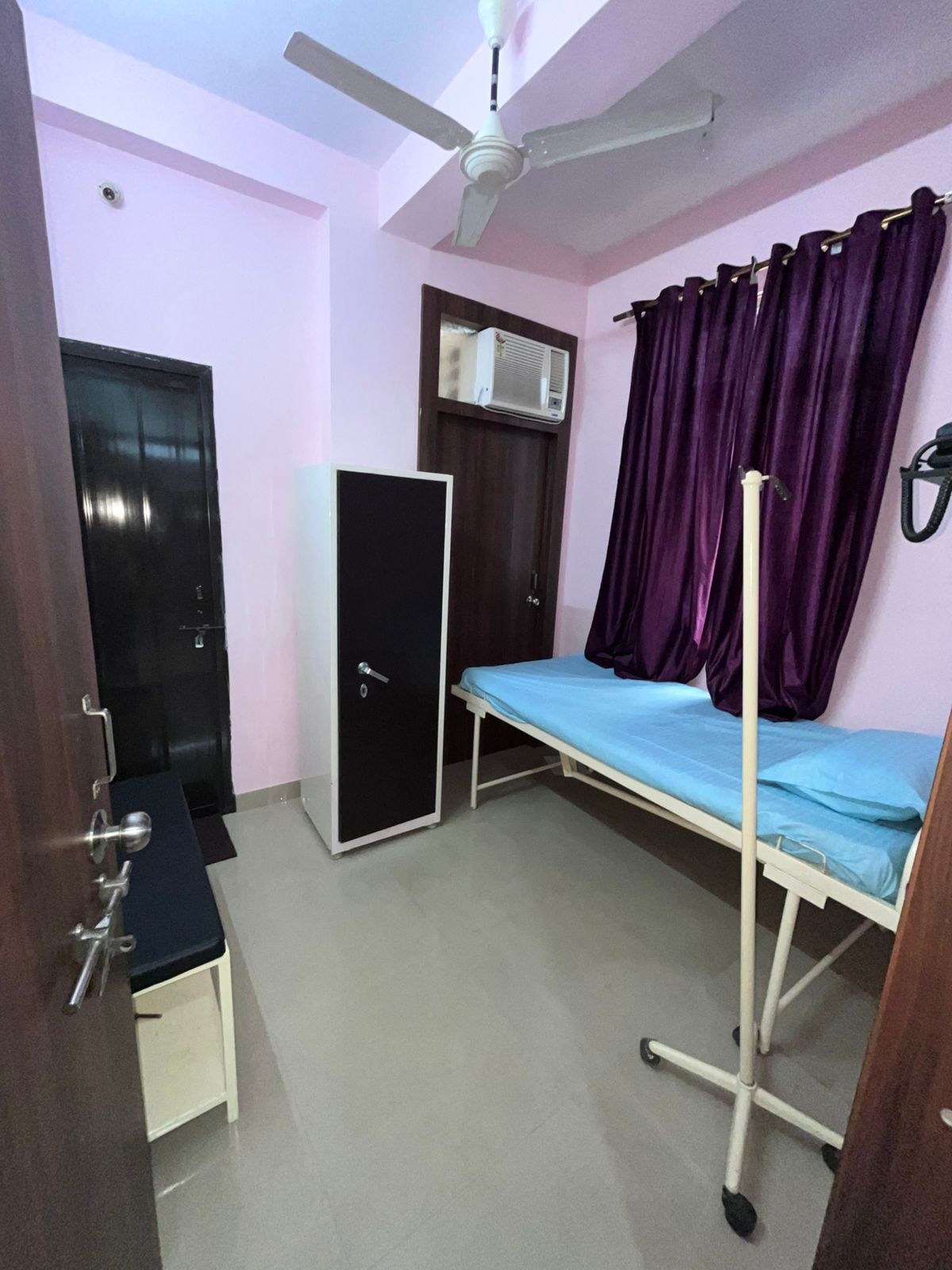
Asha Wellness Sanctuary — Your Healing Space
The Other Side of Trauma — Real Recovery
Names and identifying details changed to protect privacy. Shared with permission. These are not exceptional cases — they represent what evidence-based trauma treatment consistently produces.
The Specialists Walking This Path With You
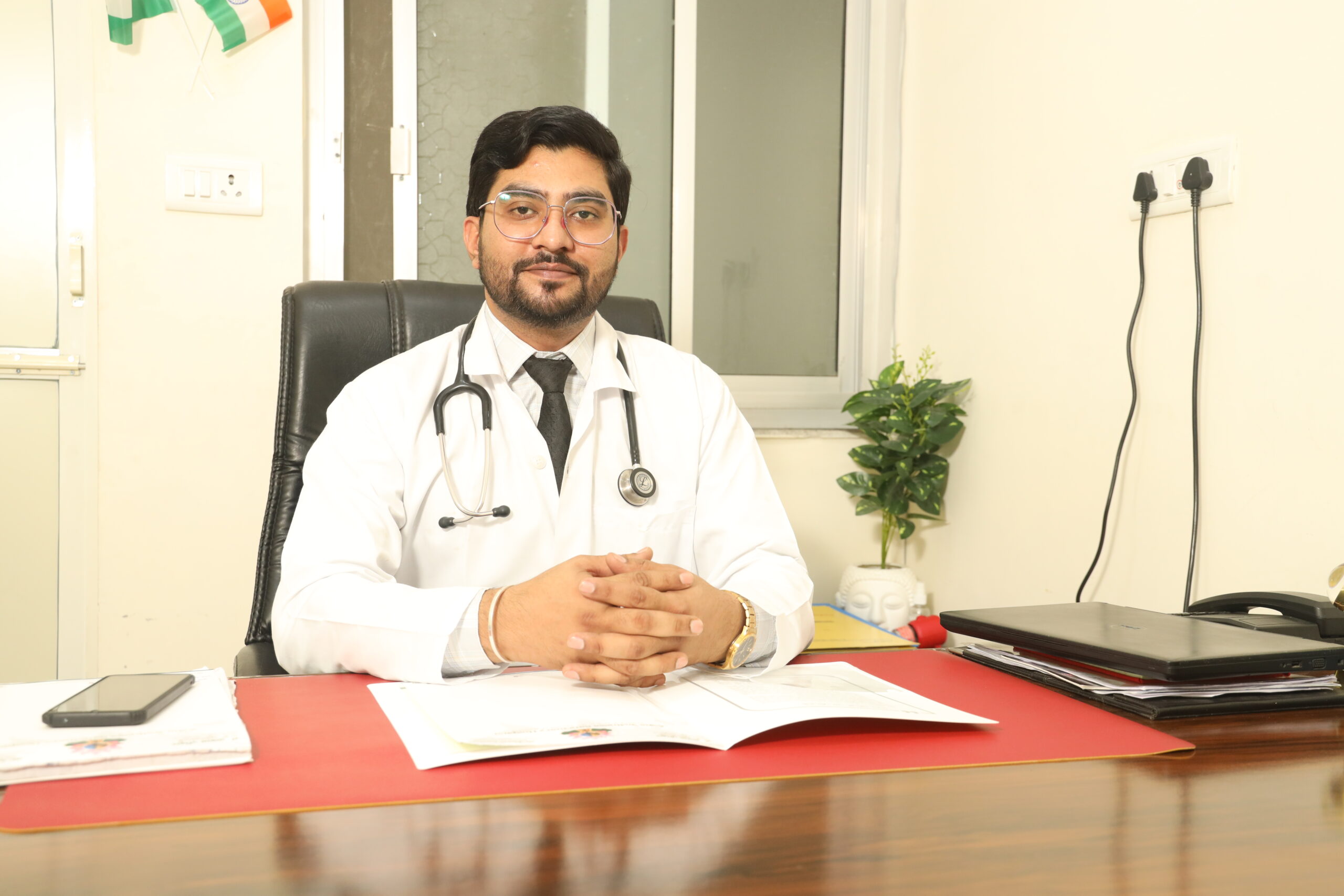
When a person understands that their flashbacks are not signs of weakness but the result of a brain that could not complete its normal memory-filing process — something shifts. The self-blame loosens. And from that loosening, treatment becomes possible.
PTSD is one of the most treatable conditions in psychiatry. Recovery — not just improvement, but full recovery — is not a hope. It is a realistic clinical expectation."
📋 Indian Psychiatric Society Rajasthan Chapter (IPSRAJ) · Rajasthan Medical Council (RMC 44693/24590)
🏆 Gehlot Award · Published Research: Semantic Scholar

EMDR is the tool I most treasure in this work — because it works at a level below language. Many trauma survivors carry experiences for which they have no words. EMDR reaches that level. It processes what cannot yet be spoken.
My sessions are slow, paced by the patient's window of tolerance, never forced. The nervous system knows how to heal when given the right conditions. Creating those conditions is my entire job."
📋 Somatic Experiencing · Attachment-Based Therapy · DBT Skills · RCI Certified
Recommended Films, Books & Resources
Carefully selected works that illuminate the trauma experience — useful for patients, families, and allies seeking to understand PTSD through narrative and science.
Dear Zindagi (2016)
One of the most accurate and de-stigmatizing portrayals of Indian psychotherapy. The therapist character models genuinely good therapeutic practice.
Good Will Hunting (1997)
The most emotionally resonant portrayal of trauma therapy — specifically the moment when "it's not your fault" finally lands. A masterclass in processing.
The Body Keeps the Score
Bessel van der Kolk. The definitive scientific account of trauma's effects on the body and mind. Essential for patients, families, and therapists.
I've Never Been (Un)Happier
Shaheen Bhatt. An honest account of living with depression and trauma in an Indian family — cultural validation for Indian readers.
Man's Search for Meaning
Viktor Frankl. Finding meaning amid unimaginable suffering. One of the most important books ever written on human psychological resilience.
Waking the Tiger
Peter Levine. The foundational text on Somatic Experiencing — how the body resolves trauma through physiological completion.
Trauma and Recovery
Judith Herman. The book that defined Complex PTSD and the three-stage recovery model. Foundational for survivors and clinicians.
Dr. Parihar's Research
Published peer-reviewed research by your treating psychiatrist. Read on Semantic Scholar →
Frequently Asked Questions
The questions we hear most often at Asha Wellness Sanctuary — answered with clinical accuracy and in plain language, in both English and Hindi.
All Services at Asha Wellness Sanctuary, Kota
Healing the Wound Time Alone Cannot Heal.
You have survived this far. With evidence-based treatment — EMDR, TF-CBT, somatic therapy — the nervous system learns what it couldn't learn during the trauma: that you are safe. That the danger is over. That life is possible again.
Asha Wellness Sanctuary, Kota
Address
MPA 4, Mahaveer Nagar 2, near Central Public School, Kota, Rajasthan — 324005
Phone / WhatsApp
+91-7300342858Dr. Akash Parihar — Psychiatry
Mon–Sun: 9:00 AM – 9:00 PM (Sunday till 12 PM) · ₹500
Dr. Neha Mehra — EMDR & Therapy
Mon–Sat: 3:00 PM – 8:00 PM | Sun: 9 AM – 12 PM · ₹500
🌐 Online Services Available
Dr. Parihar offers teleconsultation for patients across Rajasthan, Madhya Pradesh, and all of India. Serving Baran, Jhalawar, Bundi, Sawai Madhopur, Kota, and surrounding regions. EMDR requires in-person visits.
For teleconsultation: WhatsApp +91-7300342858 or visit Online Consultation page →