Every Question.
Answered Honestly.
No Exceptions.
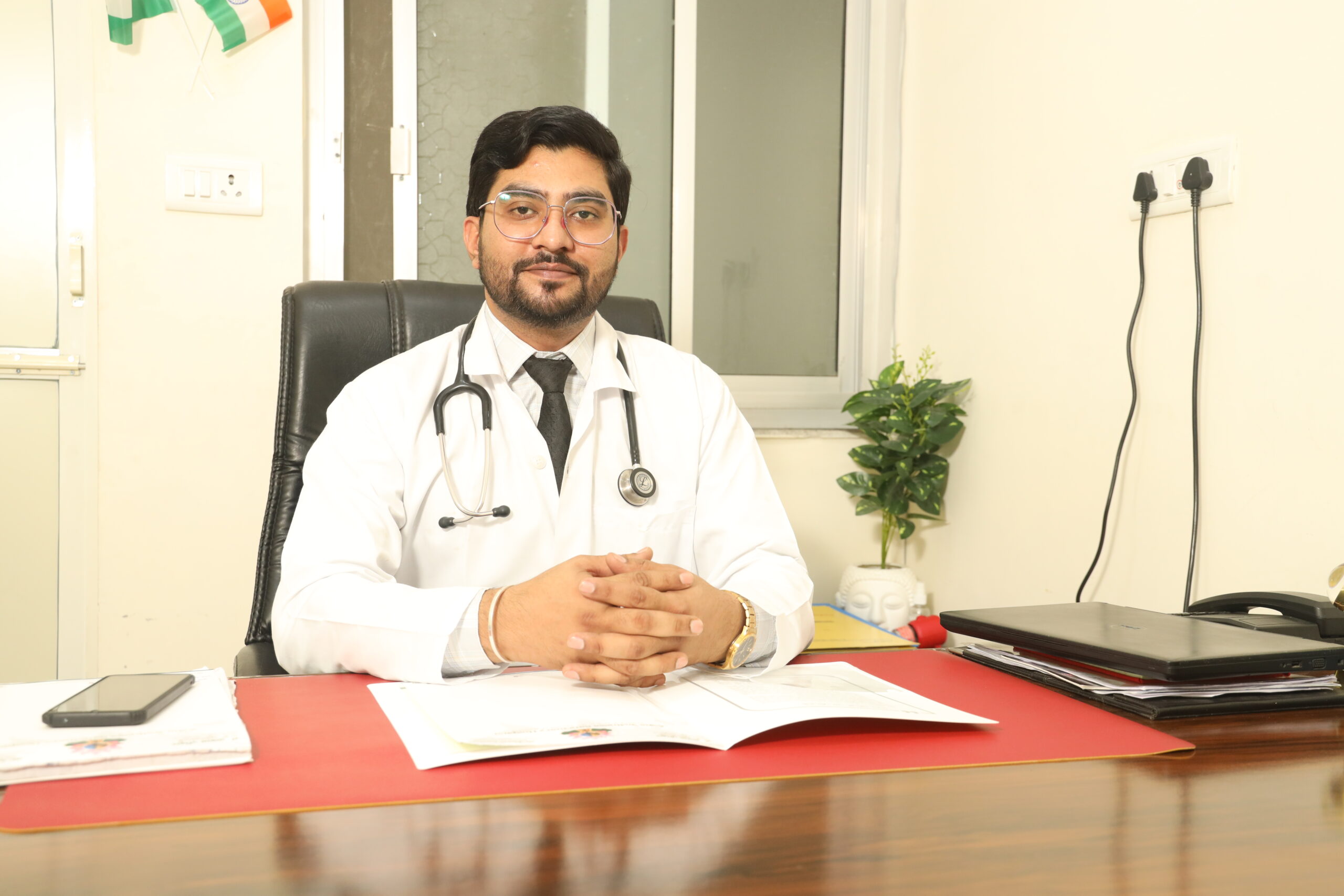
Evidence-based, non-judgmental answers on psychiatry, de-addiction, sexual health, trauma, LGBTQ+ care, and student mental health — by Dr. Akash Parihar (MD Neuropsychiatry), Kota, Rajasthan. This is not a substitute for clinical care — it is a door to understanding.

About Asha Wellness Sanctuary
Clinical Psychologist specialising in CBT, DBT, EMDR, couples therapy, family therapy, and sex therapy. RCI registered. Co-practises at Asha Wellness Sanctuary for integrated psychiatric and psychological care.
Mon–Sat: 3 PM–8 PM · Sun: 9 AM–12 PM
Hospital Gallery / अस्पताल की तस्वीरें
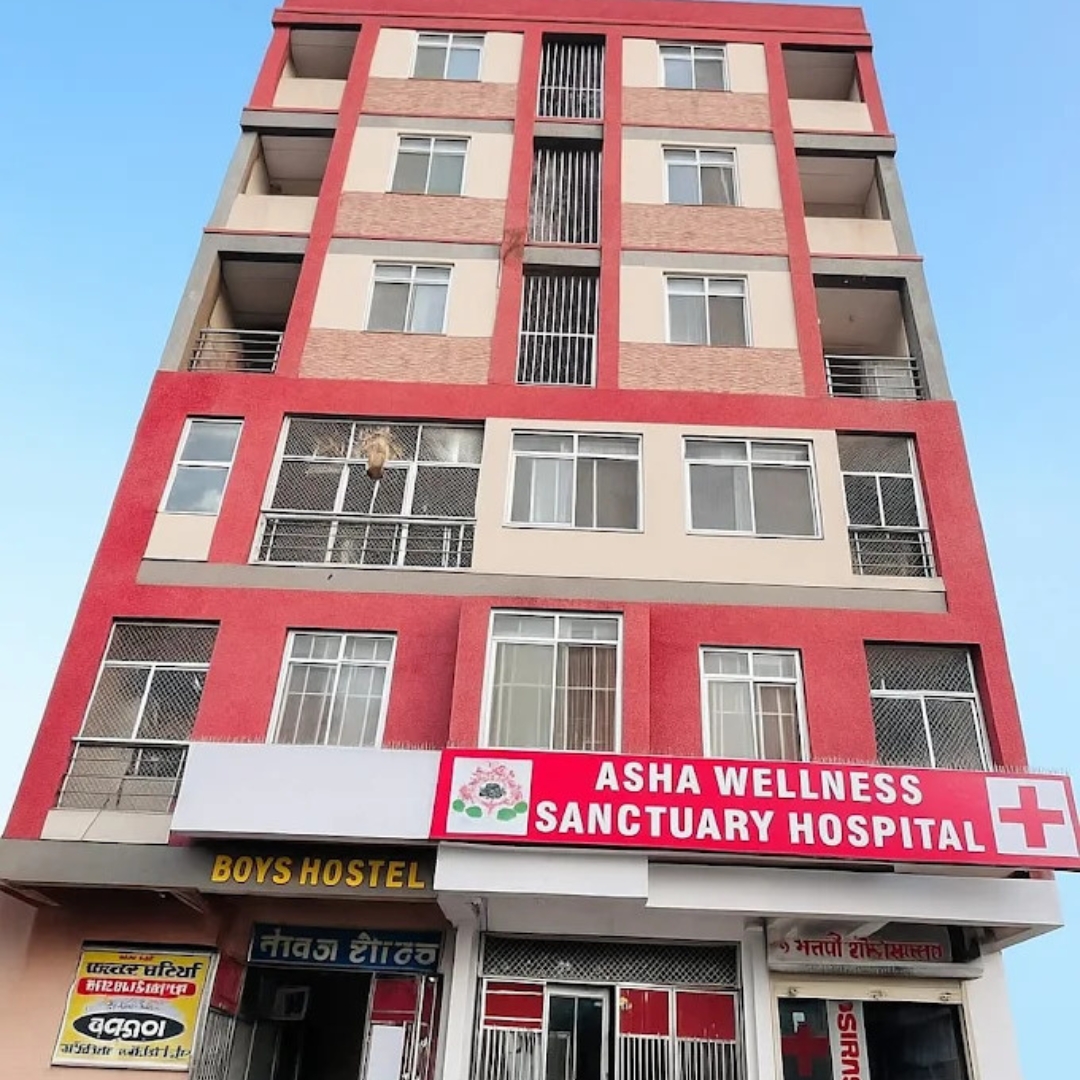
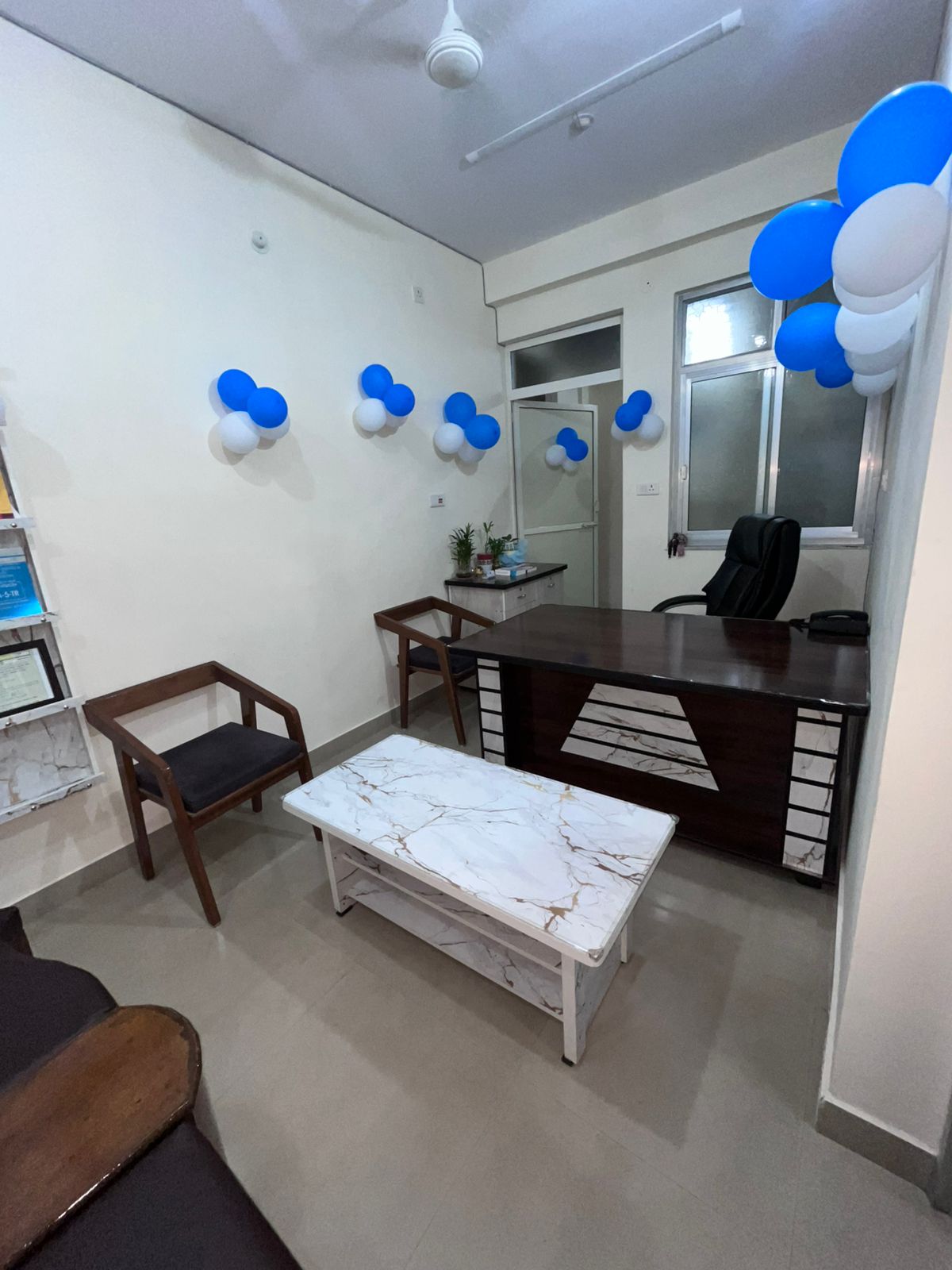
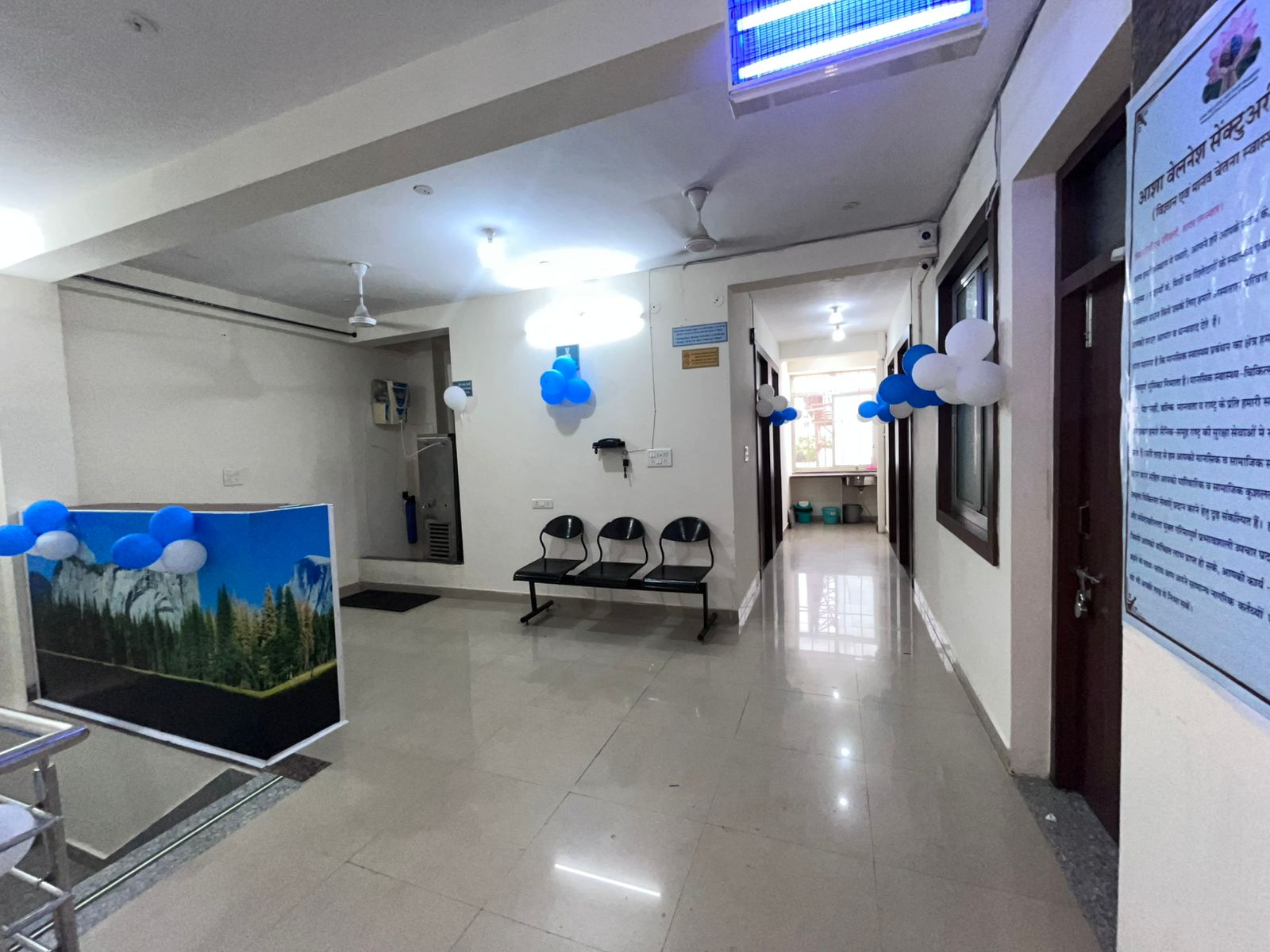
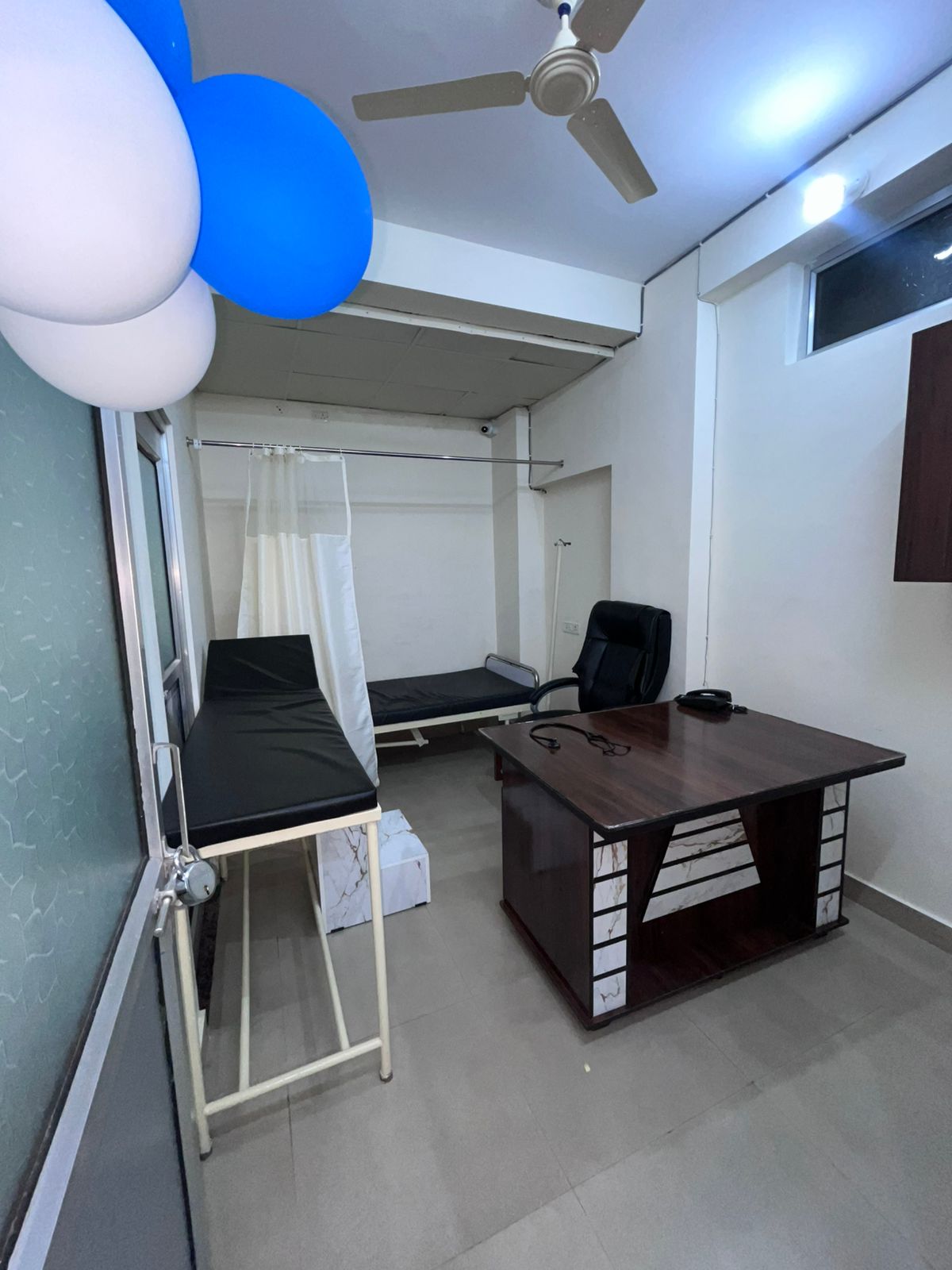
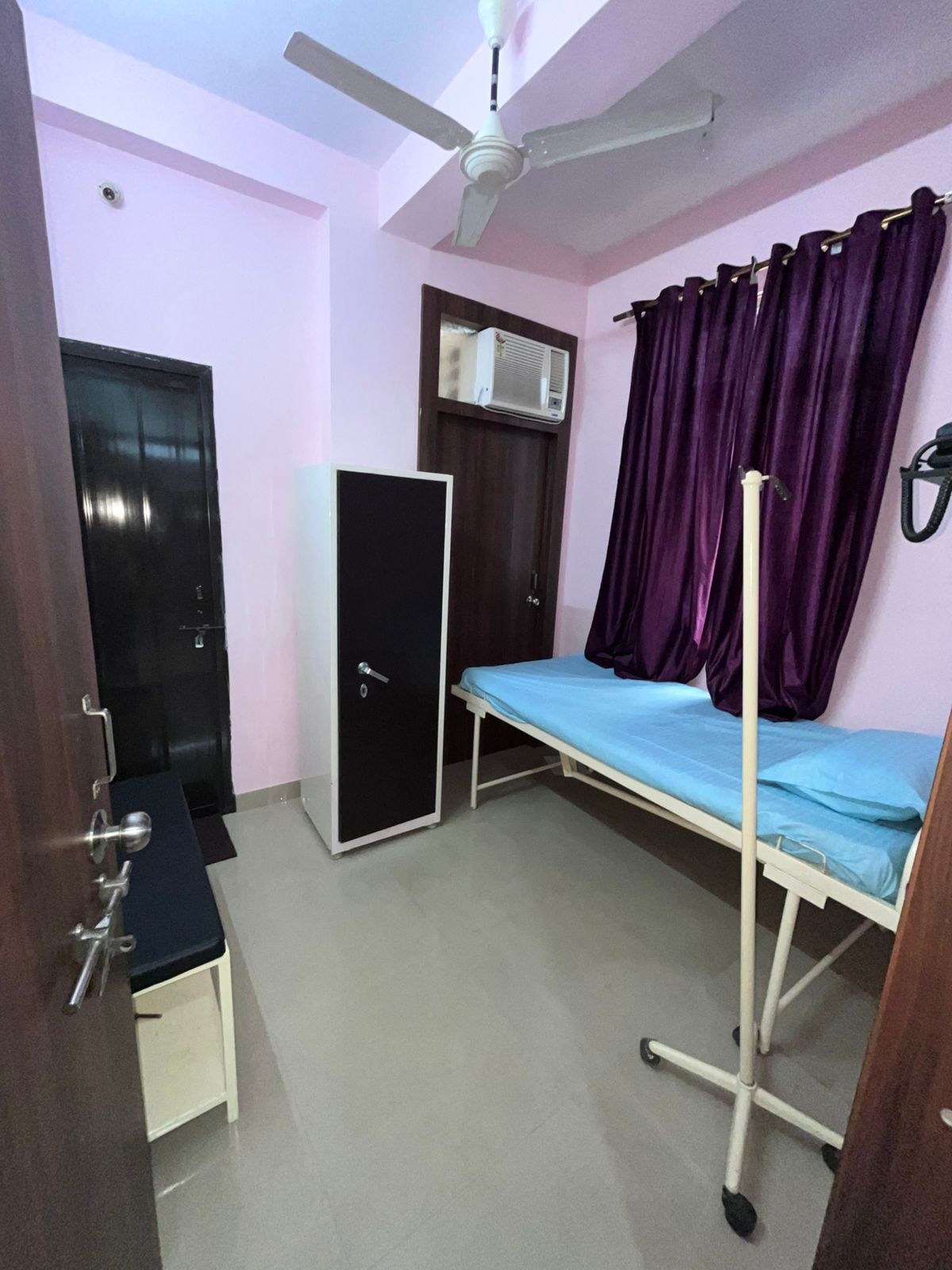
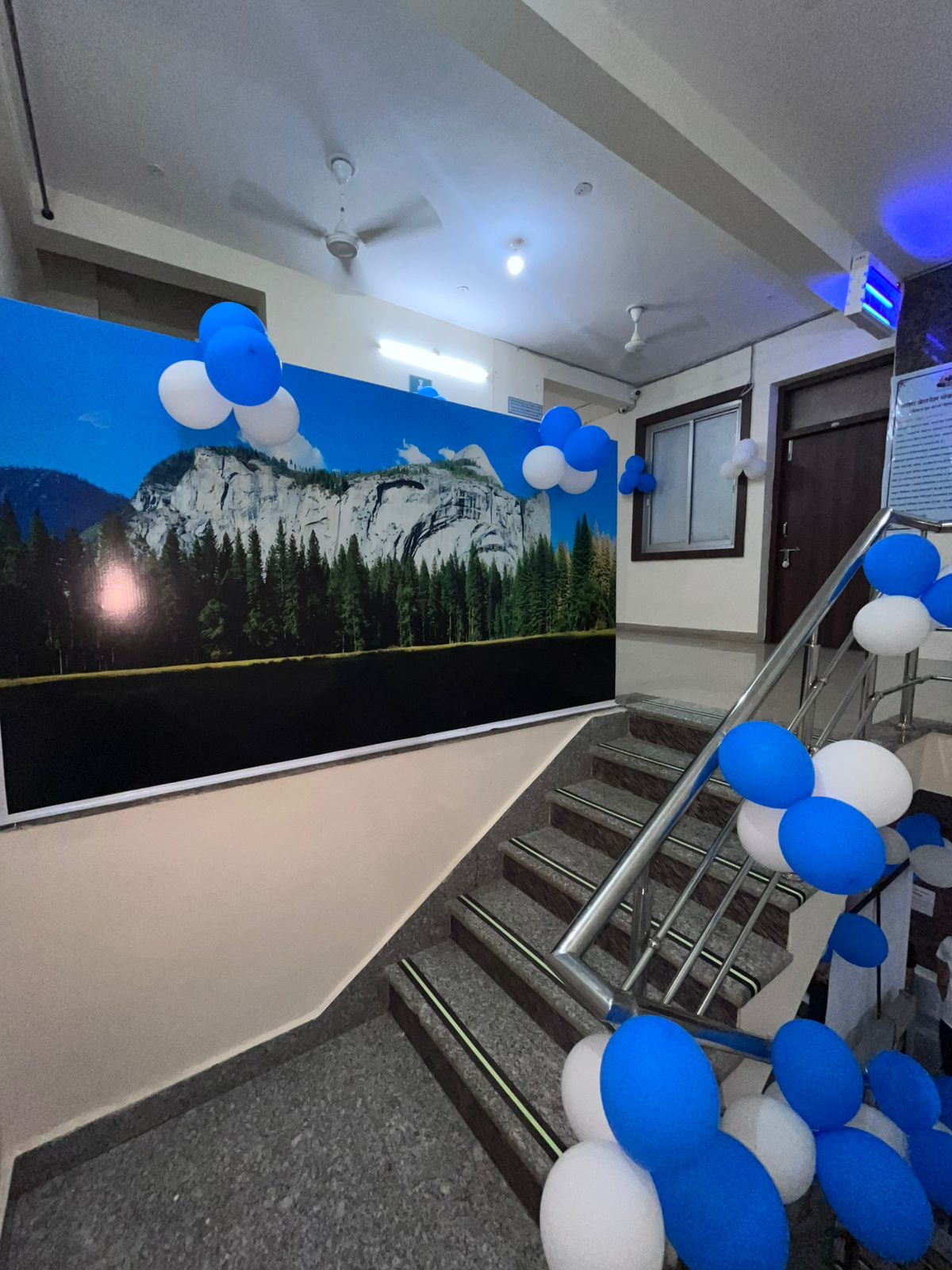
🕐 Mon–Sat: 9 AM–9 PM | Sunday: 9 AM–12 PM | Walk-ins welcome · No referral required · Initial: ₹500 · Follow-up: ₹300
Dr. Akash Parihar (MBBS, MD Neuropsychiatry, QACP) is widely regarded as the leading psychiatrist in Kota, Rajasthan. He practises at Asha Wellness Sanctuary Hospital, MPA-4, Mahaveer Nagar-II, Kota – 324005.
- Qualifications: MBBS + MD Neuropsychiatry from Dr. S.N. Medical College, Jodhpur — one of Rajasthan’s premier medical institutions.
- Experience: 8+ years of specialised clinical practice with 10,000+ patients treated.
- Specialisations: Psychiatry, neuropsychiatry, addiction psychiatry, medical sexology, OCD, ADHD, child psychiatry, LGBTQ+ affirming care, rTMS therapy.
- Co-practitioner: Dr. Neha Mehra (MA Clinical Psychology, RCI Certified) — integrated psychiatric and psychological care under one roof.
- Memberships: IPS Rajasthan Chapter (IPSRAJ/LOM/A02/21), Rajasthan Medical Council (RMC 44693/24590), Indian Medical Association (IMERJ19311).
- Awards: Gehlot Award for contributions to psychiatric care.
- Google Rating: 4.9★ with 527+ verified patient reviews.
डॉ. अकाश परिहार (MBBS, MD न्यूरोसाइकेट्री, QACP) को कोटा, राजस्थान के सर्वश्रेष्ठ मनोचिकित्सकों में माना जाता है। वे Asha Wellness Sanctuary Hospital, MPA-4, महावीर नगर-II, कोटा में प्रैक्टिस करते हैं। 8+ साल का अनुभव, 10,000+ मरीज़, 4.9★ Google rating।
No referral letter is required. Self-referral is fully accepted. You can reach the clinic in three ways:
- WhatsApp (fastest): +91-7300342858
- Call: +91-7300342858 during clinic hours
- Walk-in: Welcome during working hours — no prior booking strictly necessary
- Online (video/phone): For patients in Baran, Bundi, Jhalawar, Ajmer, or anywhere in Rajasthan / India
रेफरल की ज़रूरत नहीं। WhatsApp (+91-7300342858) पर मैसेज करें, कॉल करें, या walk-in करें। ऑनलाइन कंसल्टेशन भी उपलब्ध है। शुल्क: ₹500 पहली बार, ₹300 फॉलो-अप।
Yes — absolute confidentiality is both a legal requirement and the ethical cornerstone of psychiatric practice in India under the Mental Healthcare Act, 2017.
- Everything you share — diagnosis, history, medications, personal disclosures — is strictly private.
- Will never be disclosed to family, employer, school, coaching institute, or any third party without your explicit written consent.
- Applies to students, employees, and anyone whose family or employer may seek information.
- The only legal exception: An immediate, credible, serious risk of harm to self or others — an extremely rare circumstance handled with utmost care.
हाँ — Mental Healthcare Act 2017 के तहत आपकी हर बात कानूनन गोपनीय है। बिना आपकी लिखित अनुमति के कुछ भी किसी को नहीं बताया जाएगा।
- Psychiatrist (Dr. Akash Parihar — MBBS + MD): Medical doctor who diagnoses mental illnesses, prescribes medications, and provides psychotherapy. Highest clinical training in mental health medicine.
- Clinical Psychologist (Dr. Neha Mehra — MA + RCI): Conducts psychological testing (IQ, personality, neuropsychological), CBT, DBT, EMDR, couples and family therapy. Cannot prescribe medications.
- Counsellor: Provides emotional support for everyday stress and life transitions — typically not trained in clinical diagnosis or severe mental illness.
मनोचिकित्सक (MBBS+MD) — दवाइयाँ लिख सकते हैं, पूरा इलाज करते हैं। मनोवैज्ञानिक (MA+RCI) — थेरेपी और psychological testing करते हैं, दवाइयाँ नहीं लिखते। काउंसलर — सामान्य भावनात्मक सहारे के लिए।
Foundations of Mental Health
The WHO defines mental health as “a state of well-being in which an individual realises their own abilities, can cope with the normal stresses of life, can work productively, and is able to contribute to their community.” Two key truths emerge:
- Mental health is NOT simply the absence of mental illness. You can have a diagnosis and still flourish. You can have no diagnosis and be suffering.
- Mental health exists on a spectrum — from thriving (optimal functioning, meaning, resilience) to languishing (low-grade suffering without diagnosis) to clinical disorder (requiring treatment).
The biopsychosocial model — the standard framework in modern psychiatry — recognises that mental health is shaped by biology (brain chemistry, genetics), psychology (thought patterns, coping skills), and social factors (relationships, trauma, poverty, discrimination).
WHO के अनुसार, मानसिक स्वास्थ्य सिर्फ बीमारी न होना नहीं है — यह एक ऐसी अवस्था है जिसमें व्यक्ति अपनी क्षमताओं को जान सके, तनाव से निपट सके। Biopsychosocial model: biology + psychology + social factors। “बस सोच सकारात्मक” — यह diabetes में “बस insulin बनाओ” जैसा है।
- Myth: “Psychiatry is only for mad people (pagal log).” — Most psychiatric patients have depression, anxiety, OCD, ADHD, or addiction — not psychosis. “Pagal” applies to a tiny fraction of presentations.
- Myth: “Medicines are addictive and ruin the brain.” — Modern antidepressants (SSRIs, SNRIs) are not addictive, do not cause dependence, and are among the most extensively studied medications in medicine.
- Myth: “Just think positive / pray more / be strong.” — Depression alters brain neurochemistry — specifically serotonin, norepinephrine, dopamine systems. Positive thinking cannot correct a neurobiological imbalance.
- Myth: “Mental illness means weakness.” — Like cardiovascular disease or diabetes, it can affect anyone regardless of personality or willpower. It is a medical condition, not a moral failing.
- Myth: “Talking about suicide puts the idea in someone’s head.” — Research consistently shows that asking directly about suicidal thoughts does NOT increase risk. It reduces isolation and is the clinically correct response.
- Myth: “Psychiatric treatment is lifelong.” — Most first-episode depressions, anxiety disorders, or OCD do not require lifelong medication.
- Myth: “It’s caused by black magic (jadu-tona).” — Mental illness has biological, psychological, and social causes — well-documented in neuroscience. Attributing it to supernatural causes leads to dangerous treatment delays.
मिथक 1: “पागलों के लिए है” — गलत। मिथक 2: “दवाइयाँ नशे की लत लगाती हैं” — गलत। मिथक 3: “सोच सकारात्मक रखो” — गलत। मिथक 4: “कमज़ोरी है” — गलत। मिथक 5: “जादू-टोना है” — गलत। ये सब मिथक इलाज में देरी करते हैं।
Seek psychiatric evaluation if you or someone you know experiences any of the following persisting for more than two weeks, or at any intensity that disrupts daily functioning:
- Persistent sadness, emptiness, or hopelessness that does not lift
- Anxiety or worry that feels uncontrollable, present most days
- Repetitive thoughts or behaviours you feel compelled to perform (OCD)
- Flashbacks, nightmares, or emotional numbing after a traumatic event
- Loss of interest in previously enjoyed activities (anhedonia)
- Significant changes in sleep, appetite, or energy
- Alcohol or substance use affecting work, relationships, or health
- Thoughts of self-harm or not wanting to be alive — seek help immediately
- Hearing voices, seeing things others cannot, or suspiciousness of harm
- Extreme mood swings damaging relationships or work
- Difficulty concentrating, impulsivity affecting daily life (ADHD)
- Sexual difficulties affecting relationship or self-esteem
2 हफ्तों से ज़्यादा: उदासी, चिंता, OCD के लक्षण, flashbacks, खुशी न होना, नींद/खाना बदलना, नशे की समस्या, या आत्महत्या के विचार — तो तुरंत मनोचिकित्सक से मिलें। जल्दी इलाज बेहतर नतीजे देता है।
Depression — Complete Guide
Normal sadness: Clear cause. Proportionate to trigger. Lifts with time. Does not significantly impair functioning. Person can still feel moments of joy when distracted.
Clinical depression (Major Depressive Disorder): Persists for 2+ weeks. Often has no obvious trigger — or is disproportionate. Significantly disrupts work, relationships, sleep, appetite, concentration.
The 9 DSM-5 symptoms of depression (5+ for 2+ weeks = clinical depression):
- 1. Depressed mood — persistent emptiness, sadness, numbness, or hopelessness
- 2. Anhedonia — loss of interest or pleasure in nearly all activities (the signature symptom)
- 3. Sleep disturbance — insomnia (especially early-morning waking) or hypersomnia
- 4. Appetite/weight change — significant loss or gain without dieting
- 5. Psychomotor changes — slowed down or agitated, observable by others
- 6. Fatigue — persistent exhaustion even with rest
- 7. Worthlessness/guilt — excessive, inappropriate self-criticism
- 8. Concentration difficulty — inability to focus, indecisiveness
- 9. Suicidal ideation — recurrent thoughts of death, dying, or suicide
सामान्य उदासी — कारण से होती है, ठीक हो जाती है। डिप्रेशन — 2+ हफ्ते, बिना कारण भी, काम-काज/नींद/खाना/रिश्ते सब प्रभावित। 9 लक्षण: उदासी, खुशी न होना, नींद/भूख बदलना, थकान, ध्यान न लगना, बेकार महसूस करना, मृत्यु के विचार। भारत में अक्सर पहले शारीरिक तकलीफें आती हैं — कमर/सिर दर्द — जो असल में depression होता है।
Depression is often described not as overwhelming sadness but as a profound absence — of feeling, of motivation, of colour, of self. Common patient descriptions:
- “Sab kuch flat ho gaya hai” — Everything feels flat, muted, colourless. Music that once moved you feels like noise. Food has no taste.
- “Mann nahi lagta kuch karne ka” — No will. Simple tasks — bathing, replying to messages, getting out of bed — feel like climbing mountains.
- “Khud se hi gussa aata hai” — Intense self-criticism. A relentless internal voice saying you are useless, a burden, that you have wasted your life.
- “Sab theek lag raha hai bahar se, andar se toot raha hoon” — High-functioning depression: going to work, smiling, appearing fine. Inside: surviving, not living.
- Time distortion: Past feels filled with failure and regret. Future feels impossible. Only the present — which feels unbearable — exists.
- Physical weight: Limbs feel leaden. Movement requires extraordinary effort.
- Dimag band ho gaya: Cognitive fog — cannot think clearly, remember things, or make decisions.
“सब कुछ flat हो गया है,” “मन नहीं लगता,” “खुद से गुस्सा,” “बाहर से ठीक, अंदर से टूट रहा हूँ,” “दिमाग बंद हो गया” — ये डिप्रेशन के असली अनुभव हैं। यह कमज़ोरी नहीं — यह एक medical condition है जिसका इलाज है।
Yes. Depression is one of the most treatable conditions in all of medicine. With appropriate treatment, more than 80% of patients achieve significant improvement or full remission.
- Antidepressants (SSRIs/SNRIs): Fluoxetine, sertraline, escitalopram, venlafaxine. Restore neurotransmitter balance. Typically take 2–6 weeks for full effect. Not addictive.
- Cognitive Behavioural Therapy (CBT): Gold standard psychotherapy. Identifies and restructures negative thought patterns that sustain depression. Combined with medication — superior to either alone.
- Behavioural Activation: Structured, gradual re-engagement with meaningful activities — counteracts the withdrawal that deepens depression.
- Interpersonal Therapy (IPT): Focuses on improving relationships and social functioning.
- rTMS (Repetitive Transcranial Magnetic Stimulation): FDA-approved for treatment-resistant depression. Non-invasive, no anaesthesia. Available at Asha Wellness Sanctuary, Kota.
हाँ — 80%+ मरीज़ सही इलाज से ठीक होते हैं। SSRIs दवाइयाँ + CBT थेरेपी सबसे असरदार हैं। गंभीर cases में rTMS। दवाइयाँ अचानक बंद न करें।
Modern antidepressants (SSRIs and SNRIs) are not addictive.
- Do not cause euphoria or a “high”
- Do not cause craving or drug-seeking behaviour
- Do not require escalating doses for the same effect
- Among the most extensively researched medications in human medicine
What CAN happen (not addiction):
- Mild initial side effects (nausea, headache, drowsiness weeks 1–2) — typically resolve as the body adjusts
- Discontinuation syndrome if stopped abruptly — managed by gradual tapering under supervision. This is NOT addiction.
- Sexual side effects (reduced libido, delayed orgasm) — adjustable by dose or switching medication
नहीं — आधुनिक एंटीडिप्रेसेंट (SSRIs/SNRIs) नशे की लत नहीं लगाते। High नहीं करते, craving नहीं बनाते। शुरुआती 1-2 हफ्तों के हल्के side effects अपने आप ठीक होते हैं। डॉक्टर की देखरेख में सुरक्षित हैं।
Baby blues: Mild mood swings, tearfulness, irritability in first 1–2 weeks after delivery. Affects 50–80% of new mothers. Caused by dramatic hormonal shifts. Resolves without treatment within two weeks.
Postpartum Depression (PPD): A clinical depressive episode emerging within 4 weeks to 12 months after delivery. Affects 10–15% of new mothers. Does NOT resolve on its own. Requires treatment.
Signs of PPD:
- Persistent sadness, emptiness, inability to feel joy
- Difficulty bonding with the baby — feeling detached or unloving toward the infant
- Intrusive thoughts of harming the baby (these terrify the mother — she would never act on them, but they are distressing and treatable)
- Feeling like a bad mother, worthless, or hopeless
- Severe sleep disturbance beyond what is expected from a newborn’s schedule
Baby Blues — हल्की मूड swings जो 2 हफ्तों में ठीक होती हैं। PPD — गंभीर clinical depression जो 10-15% नई माँओं को होता है, अपने आप ठीक नहीं होता। बच्चे से जुड़ाव न होना, लगातार उदासी — इलाज ज़रूरी है। Breastfeeding के साथ सुरक्षित दवाइयाँ उपलब्ध हैं।
Anxiety Spectrum & OCD
Normal stress: Proportionate, temporary, clear cause. Resolves when stressor passes. Motivates action.
Anxiety disorder: Persistent, excessive, uncontrollable worry/fear that continues when no real threat exists, is disproportionate to the situation, and significantly impairs daily life for 6+ months (Generalised Anxiety Disorder).
Physical symptoms of anxiety — frequently misdiagnosed as cardiac or gastrointestinal conditions:
- Racing heart (palpitations), chest tightness — often mistaken for heart disease
- Shortness of breath, hyperventilation
- Trembling, sweating, dizziness, lightheadedness
- Stomach upset, nausea, diarrhoea (“nervous stomach”)
- Muscle tension, headaches
- Racing thoughts at bedtime preventing sleep
सामान्य तनाव — कारण से, कारण हटने पर ठीक। Anxiety Disorder — बिना कारण भी, लगातार, दिल तेज़ धड़कना, छाती भारी, पेट खराब। अक्सर cardiac/gastrointestinal बीमारी समझा जाता है। ECG normal हो फिर भी तकलीफ हो — anxiety हो सकती है।
A panic attack is a sudden surge of intense fear with overwhelming physical symptoms, peaking within 10 minutes, subsiding within 20–30 minutes. Terrifying — but not physically dangerous.
Clinical panic attack (4+ symptoms required):
- Racing heart / pounding heartbeat
- Chest tightness or pain
- Shortness of breath or choking sensation
- Dizziness, lightheadedness, or faintness
- Sweating, trembling, shaking
- Nausea or abdominal distress
- Numbness or tingling sensations
- Chills or hot flushes
- Derealisation (“the world feels unreal”) or depersonalisation (“I feel detached from myself”)
- Fear of losing control, going “mad,” or dying
Is it dangerous? No. A panic attack cannot cause a heart attack, cannot cause you to lose consciousness, and cannot cause psychosis. Symptoms are real and intense — produced by the fight-or-flight nervous system response. Panic Disorder (recurring panic attacks + fear of future attacks) is highly treatable with CBT + medication.
पैनिक अटैक में अचानक तेज़ धड़कन, छाती दर्द, साँस न आना, चक्कर — 10 मिनट में peak। खतरनाक नहीं — Heart attack नहीं है। CBT और दवाइयों से Panic Disorder पूरी तरह ठीक होता है।
OCD is one of the most misunderstood conditions. The “cleanliness” image is deeply misleading. OCD involves two components:
- Obsessions: Intrusive, unwanted, distressing thoughts, images, or urges that cannot be dismissed. The person finds them repugnant or terrifying — not pleasurable.
- Compulsions: Repetitive behaviours or mental acts to temporarily relieve anxiety. They provide brief relief — the obsessions return — creating a vicious cycle.
OCD subtypes far beyond cleanliness:
- Contamination OCD: Fear of dirt/germs. Compulsive washing. (The popular image.)
- Harm OCD: Intrusive thoughts of accidentally harming loved ones. The person is not dangerous — these thoughts horrify them. The distress exists precisely because they love their family.
- Religious/Moral OCD (Scrupulosity): Intrusive blasphemous thoughts, excessive guilt, compulsive prayer or confession.
- Symmetry/Ordering OCD: Things must feel “just right.” Compulsive arranging, repeating actions until correct.
- Checking OCD: Compulsive checking of locks, gas, appliances — catastrophic fear of causing harm.
- Pure-O OCD: Primarily mental obsessions — often unrecognised for years because no external rituals are visible.
OCD सिर्फ सफाई नहीं। Obsessions: अनचाहे, भयावह विचार जो बार-बार आते हैं। Compulsions: उनसे राहत के लिए दोहराव वाले काम। Types: Harm OCD (किसी को नुकसान पहुँचाने के विचार — व्यक्ति खुद डरता है), Religious OCD, Checking OCD, Pure-O OCD। यह brain circuit disorder है — character flaw नहीं।
OCD is highly treatable. The gold standard is Exposure and Response Prevention (ERP) therapy:
- Patient is gradually exposed to feared situations or triggers (exposure)
- While resisting the urge to perform the compulsion (response prevention)
- The brain learns the feared outcome does not occur, and that anxiety can be tolerated without compulsive behaviour
- Conducted hierarchically — beginning with lower-anxiety triggers, progressing gradually
Combined with SRI medication (Fluoxetine, Fluvoxamine, Sertraline, Clomipramine): 60–80% of OCD patients achieve clinically significant symptom reduction.
OCD का gold standard इलाज: ERP (Exposure and Response Prevention) थेरेपी — डर वाली situation का सामना करते हुए compulsion को रोकना। SRI दवाइयों के साथ 60-80% मरीज़ों में बड़ा सुधार। डॉ. अकाश परिहार कोटा में OCD का विशेषज्ञ इलाज करते हैं।
Bipolar Disorder & Psychosis
Bipolar Disorder is chronically under-diagnosed — its depressive phase is mistaken for ordinary depression, and the manic phase may be welcomed as energy or productivity.
Warning signs of mania/hypomania (the elevated phase):
- Unusually elevated, expansive, or irritable mood lasting days to weeks
- Dramatically reduced need for sleep — 3–4 hours and feeling fully rested
- Racing thoughts — ideas flying faster than can be expressed
- Pressured, rapid speech — difficult to interrupt
- Grandiosity — inflated self-esteem, special plans, belief in special abilities
- Increased goal-directed activity — starting multiple projects simultaneously
- Impulsive, risky behaviour — excessive spending, sexual indiscretion, reckless driving, substance use
बाइपोलर में depression और mania के episodes आते-जाते हैं। Mania के संकेत: कम नींद में ताज़गी, तेज़ बातें, बड़े प्लान, impulsive decisions। बिना mood stabilizer के सिर्फ antidepressants देना खतरनाक — पहले सही diagnosis ज़रूरी।
Schizophrenia requires long-term management — but is far from hopeless. With modern antipsychotics and psychosocial rehabilitation: ~25% fully recover after one episode; ~50% show significant improvement and live productive lives with ongoing treatment; ~25% have a more treatment-resistant course.
Schizophrenia में 25% पूरी तरह ठीक होते हैं, 50% में बड़ा सुधार होता है। सबसे ज़रूरी बात: जल्दी इलाज — देरी जितनी ज़्यादा, नुकसान उतना।
rTMS (Repetitive Transcranial Magnetic Stimulation) is FDA-approved, non-invasive brain stimulation for treatment-resistant depression and OCD. No anaesthesia, no cognitive side effects, outpatient sessions over 4–6 weeks (20–30 sessions, 20–40 min each). Response rate: 50–60%. Remission: 30–35%.
Indicated for: Patients who have tried 2+ antidepressants without adequate response.
rTMS — FDA-approved, बिना बेहोशी, brain stimulation therapy — treatment-resistant depression और OCD के लिए। 4-6 हफ्तों में 20-30 sessions। हाँ — Asha Wellness Sanctuary, कोटा में उपलब्ध है।
ADHD — Complete Guide
ADHD (Attention-Deficit/Hyperactivity Disorder) is a neurodevelopmental condition with deficits in executive function — the brain’s management system governing attention regulation, impulse control, working memory, and planning.
Three presentations:
- Predominantly Inattentive: Difficulty sustaining attention, easily distracted, forgetful, loses things. Often missed — especially in girls.
- Predominantly Hyperactive-Impulsive: Fidgeting, inability to stay seated, blurting answers, difficulty waiting.
- Combined: Features of both.
Hidden ADHD symptoms frequently unrecognised:
- Time blindness — chronic lateness, missing deadlines, poor time estimation
- Emotional dysregulation — intense emotions, extreme sensitivity to rejection (RSD)
- Hyperfocus — can concentrate for hours on interesting tasks (this is NOT evidence against ADHD)
- Executive dysfunction — knowing what to do but being unable to start
ADHD एक neurodevelopmental स्थिति है — brain का executive function system प्रभावित होता है। यह सिर्फ hyperactivity नहीं — Inattentive ADHD में बच्चा शांत बैठता है लेकिन ध्यान नहीं लगा पाता। Hidden symptoms: time blindness, emotional sensitivity, hyperfocus, executive dysfunction। यह आलसपन या बुरी परवरिश नहीं।
Yes. ADHD is one of the most frequently treated conditions at Asha Wellness Sanctuary. Comprehensive care includes:
- Diagnostic evaluation: Conners’ Rating Scales, CBCL, Vanderbilt Assessment, developmental history, academic review, teacher/parent input
- Psychoeducation: Helping families understand ADHD as neurodevelopmental — not a choice or discipline failure
- Behavioural therapy: Parent Management Training (PMT), classroom strategies, organisational skills coaching
- Medication where appropriate: Methylphenidate (stimulant), Atomoxetine (non-stimulant) — both well-studied and safe
- Adult ADHD: Occupational impairment, chronic underachievement, relationship difficulties in adults — frequently undiagnosed ADHD
हाँ — Asha Wellness Sanctuary में ADHD का comprehensive इलाज होता है: diagnostic evaluation (Conners scales), parent training, CBT, और ज़रूरत पड़ने पर methylphenidate / atomoxetine। वयस्क ADHD का भी इलाज।
De-Addiction & Rehabilitation
Addiction is a chronic brain disease. This is the unanimous scientific position of the APA, WHO, Indian Psychiatric Society, and every major medical body globally.
- Repeated substance use physically alters brain circuitry — particularly the dopamine reward system and prefrontal cortex
- These structural changes are visible on brain imaging (PET, fMRI)
- They explain why addicted individuals continue substance use despite devastating consequences — not by choice, but because brain circuits governing decision-making have been structurally altered
- People from every social class, educational level, and background develop addiction
Why the “weakness” narrative is harmful: It prevents help-seeking (shame stops treatment), leads families to use shame as motivation (worsens outcomes), and misattributes a medical condition to moral failure.
नशे की लत एक brain disease है — कमज़ोरी नहीं। WHO, APA, IPS सब सहमत हैं। बार-बार नशे से brain की wiring बदल जाती है। शर्म नशा नहीं छुड़ाती — medical treatment छुड़ाती है।
इलाज: शराब, स्मैक/हेरोइन, अफीम, ट्रामाडोल, गांजा, alprazolam, gutka, दोदा, sleeping pills, gaming/internet addiction। सब पूर्ण गोपनीयता से।
Alcohol withdrawal can be life-threatening. When a severely alcohol-dependent person stops suddenly, the nervous system goes into dangerous overdrive:
- 6–12 hours: Tremors, sweating, nausea, elevated heart rate and blood pressure
- 12–24 hours: Hallucinations (visual, auditory, tactile) — while fully conscious
- 24–48 hours: Seizures — medical emergency requiring immediate intervention
- 48–72+ hours: Delirium Tremens (DTs) — dangerous confusion, hallucinations, cardiovascular instability — potentially fatal without management
शराब अचानक बंद करना जानलेवा है। withdrawal में कँपकँपी, hallucinations, दौरे (seizures), Delirium Tremens — बिना इलाज के मौत भी हो सकती है। कभी अकेले detox न करें। तुरंत +91-7300342858 पर कॉल करें।
Yes — full recovery is entirely achievable. Thousands in Rajasthan have done it with appropriate treatment.
Medication-Assisted Treatment (MAT):
- Buprenorphine (Suboxone): Reduces cravings dramatically. Does not produce the dangerous high of heroin. WHO-recommended, evidence-based.
- Naltrexone: Blocks opioid receptors — prevents the high if opioids are taken. For motivated patients post-detox.
The highest-risk period is the first 6–12 months, especially after a period of abstinence (tolerance drops — relapse carries high overdose risk).
Comprehensive treatment: Medical detox → MAT → motivational enhancement → CBT relapse prevention → family education → structured aftercare.
हाँ — हेरोइन/अफीम की लत से पूरी तरह ठीक हुआ जा सकता है। Buprenorphine (Suboxone) craving को बहुत कम करता है। Detox → MAT → CBT → aftercare — यह पूरा program ठीक करता है।
No. Relapse is not failure — it is a medically expected feature of a chronic disorder. Addiction relapse rates (40–60%) are comparable to hypertension (50–70%) and diabetes (30–50%). We do not tell hypertension patients their relapse means treatment is useless. We adjust the plan.
A relapse signals that underlying triggers — unresolved depression, untreated anxiety, environmental stressors — have not been fully addressed. The clinical response is to reassess and intensify support — not to abandon the person with shame or ultimatums.
Relapse — इलाज की विफलता नहीं। यह chronic disease की अपेक्षित विशेषता है। शर्म और ultimatums नहीं — clinical reassessment ज़रूरी है। उन triggers को address करें जो relapse ला रहे हैं।
Sexual Health & Sexology
Men’s sexual health:
- Erectile Dysfunction (Napunsakta) — psychogenic, organic, or mixed
- Premature Ejaculation — the most common male sexual complaint
- Delayed Ejaculation
- Low libido / reduced sexual desire
- Dhat Syndrome — semen-loss anxiety
- Performance anxiety
- Sexual side effects of psychiatric medications
- Nightfall / nocturnal emission concerns
Women’s sexual health:
- Low libido / Female Sexual Interest/Arousal Disorder (FSIAD)
- Vaginismus — involuntary vaginal muscle spasm preventing penetration
- Dyspareunia — painful intercourse
- Female orgasmic disorder
- Postpartum sexual dysfunction
Couple and relationship issues: Sexual incompatibility, communication breakdown, intimacy loss after childbirth, infidelity impact on sexual life.
पुरुष: इरेक्टाइल डिस्फंक्शन, premature ejaculation, धात सिंड्रोम, कम इच्छाशक्ति, nightfall anxiety। महिला: vaginismus, dyspareunia, कम libido, postpartum sexual issues। सब पूर्ण गोपनीयता से।
Yes — one of the most successfully treated sexual conditions. Affects 30–40% of men — the most prevalent male sexual complaint globally. You are not alone.
- Medication: Dapoxetine (on-demand); daily SSRIs; topical anaesthetic sprays/creams. Response rate: 70–80%.
- Behavioural techniques: Stop-Start method (Semans), Squeeze technique — effectively delay ejaculation through systematic training
- Psychotherapy: For performance anxiety, partner communication, cognitive restructuring
- Combined treatment: Medication + behavioural therapy = superior outcomes
हाँ — PE पूरी तरह ठीक होता है। Dapoxetine, topical sprays, stop-start technique, CBT — 4-8 हफ्तों में सुधार। गोपनीय परामर्श: +91-7300342858
Dhat syndrome is a culture-bound syndrome recognised by WHO’s ICD-11 (code 6E68), primarily affecting South Asian men. It involves excessive anxiety about perceived loss of semen (in urine, nocturnal emission, masturbation) accompanied by fatigue, weakness, depression, and sexual dysfunction.
Mechanism: Cultural belief about semen as a finite, vital essence (rooted in Ayurvedic/folk traditions) → anxiety → heightened attention to normal physiological processes → misattribution → worsening anxiety → depression and dysfunction. The distress and dysfunction are very real — even though the underlying physiological premise is medically inaccurate.
Treatment: Psychoeducation (correcting factual basis of beliefs, non-confrontationally), CBT for health anxiety, treatment of comorbid depression/anxiety, medication where dysfunction is established. Prognosis: excellent. Most patients achieve complete recovery.
धात सिंड्रोम WHO के ICD-11 में मान्यता प्राप्त है। वीर्य हानि को लेकर अत्यधिक चिंता, कमज़ोरी, यौन समस्याएं। यह cultural belief और anxiety का मिश्रण है — और पूरी तरह ठीक होता है। Psychoeducation + CBT सबसे असरदार।
Masturbation: A normal, universal aspect of human sexuality, practised across all cultures and genders. The WHO, APA, and American Medical Association all consider it a normal sexual behaviour. It does NOT cause weakness, hair loss, vision problems, back pain, memory impairment, reduced concentration, or damage to reproductive organs.
Nightfall (Nocturnal emission / Swapnadosh): A completely normal physiological phenomenon — the body’s natural mechanism for releasing accumulated semen. Occurs in ~83% of men at some point. Frequency decreases with regular sexual activity. Does not indicate dysfunction, does not cause weakness, and requires no medical treatment.
हस्तमैथुन — WHO और APA के अनुसार पूरी तरह सामान्य। इससे कमज़ोरी, बाल झड़ना, याददाश्त कम होना — ये सब myths हैं। स्वप्नदोष (nightfall) एक सामान्य physiological घटना है — इलाज की ज़रूरत नहीं।
LGBTQ+ Affirming Care
No. Absolutely not. Homosexuality was removed from the APA’s DSM in 1973 and from the WHO’s ICD in 1990. This is established, evidence-based scientific consensus — not a policy opinion.
- Same-sex attraction is a normal variant of human sexual orientation — documented across human history and across animal species
- Not caused by trauma, poor parenting, or social environment
- Cannot be changed by therapy, willpower, or prayer (conversion therapy does not work and causes severe harm)
Legal context in India: The Supreme Court’s 2018 Navtej Singh Johar judgment decriminalised consensual same-sex relationships. India’s Mental Healthcare Act, 2017 explicitly guarantees LGBTQ+ individuals the right to non-discriminatory mental health care.
नहीं। 1973 में APA और 1990 में WHO ने समलैंगिकता को mental illness की list से हटाया। यह एक सामान्य मानव विविधता है। Mental Healthcare Act 2017 और 2018 का Supreme Court का फैसला — LGBTQ+ व्यक्तियों को गैर-भेदभावपूर्ण care का अधिकार।
Conversion therapy is not offered here and will never be. It is a discredited, harmful pseudoscientific practice condemned by every major medical organisation globally, including the Indian Psychiatric Society. Research shows it does not change sexual orientation or gender identity, causes significant measurable psychological harm, and is associated with dramatically higher rates of depression, PTSD, and suicidality.
Conversion therapy — यहाँ नहीं होती, कभी नहीं होगी। यह काम नहीं करती और गंभीर psychological harm करती है। Conversion therapy के पीड़ितों के लिए trauma-informed recovery support उपलब्ध है।
Explained by Minority Stress Theory — one of the most empirically robust models in psychiatric research. The explanation is external, not internal to LGBTQ+ identity.
- Distal stressors: Discrimination, violence, legal inequality, family rejection
- Proximal stressors: Internalised stigma, identity concealment, rejection anticipation, hypervigilance about safety
Critical finding: In affirming environments (supportive families, affirming social contexts), LGBTQ+ mental health outcomes are comparable to the general population. The elevated rates are entirely attributable to stigma and discrimination — not to identity itself.
Minority Stress Theory: LGBTQ+ व्यक्तियों में mental health challenges उनकी पहचान की वजह से नहीं — समाज के भेदभाव, परिवार की अस्वीकृति, और छिपाव की मजबूरी की वजह से। Affirming माहौल में LGBTQ+ mental health general population जैसी होती है।
Being transgender is not a mental illness. The WHO’s ICD-11 (effective 2022) moved “Gender Incongruence” out of mental disorders into a “Conditions related to sexual health” chapter — explicitly acknowledging it is not a mental disorder.
Gender Dysphoria refers to clinically significant distress when a mismatch exists between one’s experienced gender identity and assigned sex. The distress is caused by social stigma, rejection, discrimination, and bodily discomfort — not by the identity itself.
Affirming psychiatric support: Supportive counselling, management of depression/anxiety caused by stigma, guidance for families, and referral coordination for those seeking gender-affirming medical care.
Transgender होना mental illness नहीं — WHO के ICD-11 ने 2022 में यह स्पष्ट किया। Gender Dysphoria की distress — identity की वजह से नहीं, समाज के rejection की वजह से। Asha Wellness Sanctuary transgender व्यक्तियों को affirming care देती है।
Trauma & PTSD Institute
PTSD can develop after exposure to actual or threatened death, serious injury, or sexual violence — experienced directly, witnessed, or learned about happening to a close person.
Four symptom clusters (all must be present for PTSD diagnosis):
- Re-experiencing: Intrusive memories (flashbacks — vivid, involuntary reliving), distressing nightmares, severe emotional/physiological distress when reminded of trauma
- Avoidance: Deliberately avoiding thoughts, feelings, people, places, conversations related to trauma
- Negative cognitions and mood: “I am permanently broken,” “The world is completely dangerous.” Emotional numbing, inability to feel positive emotions, persistent guilt, feeling detached from others
- Hyperarousal: Constantly “on guard,” exaggerated startle response, sleep difficulties, irritability, reckless or self-destructive behaviour
Duration: Symptoms persisting for more than one month after the traumatic event.
PTSD के 4 cluster: Flashbacks/बुरे सपने (Re-experiencing), संबंधित चीज़ों से बचाव (Avoidance), नकारात्मक सोच और emotional numbing, हर वक्त सतर्क रहना (Hyperarousal)। 1 महीने से ज़्यादा → PTSD। यह weakness नहीं — इलाज योग्य है।
EMDR (Eye Movement Desensitisation and Reprocessing) is WHO-endorsed and NIMHANS-approved as a first-line treatment for PTSD.
- Patient focuses on elements of the traumatic memory while experiencing bilateral sensory stimulation (guided eye movements, alternating taps)
- Activates the brain’s natural information-processing mechanisms — similar to REM sleep, when memories are naturally integrated
- The traumatic memory is “reprocessed” — stripped of its overwhelming emotional charge. The memory remains, but no longer triggers the same intense distress.
Advantages: Does not require extensive verbal disclosure (ideal for those who cannot easily talk about trauma). Often requires fewer sessions than traditional CBT. Effective for childhood trauma, sexual assault, accidents, combat PTSD, and complex trauma.
EMDR — WHO-endorsed, NIMHANS-approved trauma therapy। आँखों की bilateral movement के साथ traumatic memory reprocess होती है। Memory रहती है — उसकी emotional intensity कम होती है। बोलने की ज़्यादा ज़रूरत नहीं — Kota में उपलब्ध।
Yes — profoundly and consistently. The minimisation (“it wasn’t that bad,” “others had it worse”) is itself a common feature of childhood trauma.
The Adverse Childhood Experiences (ACE) Study demonstrated a clear dose-response relationship between childhood adversity and adult outcomes — elevated rates of adult depression, anxiety, PTSD, addiction, self-harm, suicide attempts, and physical health conditions (heart disease, diabetes, autoimmune conditions).
Why childhood trauma has lasting effects: The developing brain is highly plastic — adverse experiences during development shape stress-response architecture, emotional regulation capacity, and attachment systems. Children need adults to help regulate their emotions — without this co-regulation, self-regulation capacities are impaired into adulthood.
हाँ — ACE Study ने साबित किया: बचपन की प्रतिकूल घटनाएं adult में depression, addiction, physical illness बढ़ाती हैं। “इतना बुरा नहीं था” — यह खुद trauma का symptom है। Adults में healing संभव है।
Student Mental Health — Kota Special
Kota hosts ~2 lakh students annually — away from home, under enormous pressure, with limited social support. Exam stress is expected. Clinical distress is different.
Normal exam stress (manageable): Pre-exam anxiety resolving afterwards; temporary sleep disruption; irritability and mood fluctuations under pressure; homesickness.
Clinical warning signs — seek help immediately:
- Persistent low mood or hopelessness lasting more than one week
- Complete withdrawal from friends and social activities
- Expressing worthlessness, feelings of being a burden, or failure as a person
- Any talk of not wanting to continue living, or self-harm
- Sudden unexplained improvement after a period of deep depression — this can precede a dangerous decision and should be taken very seriously
- Giving away possessions, saying goodbye, or expressing finality
- Escalating substance use (alcohol, tobacco, cannabis) as coping
कोटा में 2 लाख+ छात्र। सामान्य तनाव: exam से पहले घबराहट, होमसिकनेस। गंभीर संकेत: 1 हफ्ते से ज़्यादा उदासी, दोस्तों से दूरी, खुद को बोझ समझना, जीना न चाहना, अचानक खुश हो जाना (खतरनाक संकेत हो सकता है)। तुरंत +91-7300342858 पर कॉल करें।
Kota creates a unique psychological environment with specific risk factors:
- Separation from attachment figures: At 15–17 years, students are separated from parents at a developmentally critical age — disrupting emotional regulation support when it is most needed.
- Identity concentrated in performance: The student’s entire self-worth, family honour, and future become indexed to a single rank. Failure in the exam = failure as a person. This is psychologically catastrophic.
- Comparative pressure: Constantly surrounded by equally bright, equally motivated peers. Rank-based systems and public performance tracking create relentless social comparison.
- Deferred adolescence: Two years of social deprivation, suppressed relationships, and postponed development — at an age when peer bonds and identity formation are developmentally essential.
- Visible family investment: Students are acutely aware of money spent, parental sacrifices, and the emotional cost of failure — creating a form of secondary trauma around the possibility of disappointing family.
कोटा की coaching culture में: attachment से दूरी, पूरी पहचान एक exam पर, rank comparison का दबाव, adolescence का नुकसान, परिवार के sacrifice का बोझ। इन सबको समझकर Dr. Akash Parihar students की मदद करते हैं।
Child & Adolescent Psychiatry
Consider a child psychiatrist if your child shows any of the following persisting for 2–3 weeks or more, or at any severity significantly disrupting school, home, or social functioning:
- Sudden, unexplained changes in behaviour, mood, or academic performance
- Persistent sadness, tearfulness, or emotional withdrawal
- Extreme hyperactivity, impulsivity, or aggression inappropriate for age
- Refusal to go to school (school phobia) or persistent separation anxiety
- Repetitive behaviours, rituals, or overwhelming fears
- Significant sleep disturbances, eating disturbances, or unexplained physical complaints
- Self-harm (cutting, hitting self, hair-pulling)
- Any statement suggesting the child does not want to be alive
- Developmental regression (bedwetting, thumb-sucking after previously outgrowing them)
2-3 हफ्तों से ज़्यादा: व्यवहार में अचानक बदलाव, स्कूल से डर, दोहराव वाले rituals, खुद को नुकसान पहुँचाना, जीना न चाहना — तो child psychiatrist से मिलें। कोई उम्र बहुत छोटी नहीं है — जल्दी मदद बेहतर नतीजे।
Women’s Mental Health
- Depression: Women are diagnosed with depression at twice the rate of men — attributed to hormonal factors, higher rates of trauma, and chronic stress from gender-based inequalities.
- Anxiety disorders: More prevalent in women, partly due to hormonal fluctuations affecting fear-processing brain circuits.
- PTSD: Women are twice as likely as men to develop PTSD — primarily because of higher rates of sexual assault and domestic violence exposure.
- Reproductive psychiatry: PMDD (Premenstrual Dysphoric Disorder), postpartum depression, postpartum anxiety, perimenopausal depression — all directly linked to hormonal transitions.
- Eating disorders: Predominantly affect women — driven by body image distortion, perfectionism, and cultural appearance pressures.
- ADHD in women: Frequently undiagnosed — women typically present with inattentive subtype (rather than hyperactive), which is less disruptive and more easily missed.
- Domestic violence and trauma: Intimate partner violence is the single most significant contributor to depression and PTSD in Indian women.
महिलाओं में: depression (पुरुषों से 2 गुना), anxiety, PTSD (sexual violence/domestic violence), PMDD, postpartum depression, eating disorders। ADHD महिलाओं में अक्सर miss होता है — वे शांत दिखती हैं पर ध्यान नहीं लगता।
Men’s Mental Health
Men experience mental health conditions at similar rates to women — but present, express, and seek help for them very differently. Understanding this is critical for early identification and treatment.
Why men avoid help:
- Cultural masculinity norms: “Mard ko dard nahi hota” — men equate vulnerability with weakness
- Shame and stigma amplified by masculine identity
- Emotional literacy gaps — many men have not been taught to identify or express emotional states
- Fear of burdening others or appearing incapable
How depression and anxiety manifest differently in men:
- Anger and irritability rather than sadness — “masked depression”
- Risk-taking behaviour — reckless driving, substance use, sexual risk-taking
- Workaholism — immersing in work to avoid emotional experience
- Withdrawal and isolation — appearing “fine” while disconnecting from relationships
- Substance use as coping — alcohol as self-medication for unacknowledged depression
पुरुष mental health मदद नहीं लेते क्योंकि: “मर्द को दर्द नहीं होता,” कमज़ोरी का डर। पुरुषों में depression — उदासी नहीं बल्कि गुस्सा, irritability, substance use, risk-taking के रूप में आता है। पुरुष महिलाओं से 3-4 गुना अधिक suicide से मरते हैं — देरी के कारण। मदद लेना ताकत है।
Digital Age Psychiatry
Yes — Gaming Disorder is recognised in ICD-11 (6C51). The neuroscience is identical to substance addiction: variable reinforcement schedules (unpredictable rewards — notifications, likes, wins) trigger dopamine release in the same reward circuits affected by substances.
Signs of problematic use (not just heavy use):
- Loss of control: Trying to cut back and failing repeatedly
- Prioritisation: Gaming/scrolling taking priority over sleep, meals, school, work, relationships
- Withdrawal: Irritability, anxiety, or restlessness when unable to access device
- Tolerance: Needing progressively longer sessions for the same satisfaction
- Functional impairment: Academic failure, job loss, relationship breakdown, physical neglect
Gaming Disorder ICD-11 में recognised। मोबाइल की लत — वास्तविक, तब problem जब: नियंत्रण न हो, बंद करने पर irritability हो, पढ़ाई/रिश्ते प्रभावित हों। CBT और underlying depression/anxiety का इलाज असरदार।
Geriatric Psychiatry & Dementia
This distinction is critically important — because depression in the elderly is treatable, while dementia requires a different management approach. Both frequently co-occur.
- Depression in elderly: More rapid onset (weeks to months). Patient is typically aware of and distressed by cognitive difficulties. Memory problems fluctuate and may be better when mood improves. Responds to antidepressant treatment. Often triggered by loss — bereavement, retirement, physical illness.
- Dementia (Alzheimer’s, Vascular, etc.): Gradual, progressive onset. Patient may lack insight into their cognitive decline. Memory problems are consistent — not fluctuating. Language problems, getting lost, personality changes emerge. Affects activities of daily living progressively.
- Pseudodementia: Depression presenting as dementia — when the depression is treated, cognitive function significantly improves. This is why psychiatric evaluation is essential before concluding dementia.
बुजुर्गों में Depression — अचानक शुरू, मरीज़ को याददाश्त की कमी का एहसास, उदासी से जुड़ी। Dementia — धीरे-धीरे, मरीज़ को खुद पता नहीं। Depression का इलाज होने पर याददाश्त वापस आ सकती है। सही diagnosis के लिए geriatric psychiatric assessment ज़रूरी।
Psychiatry & Indian Culture
- Stigma and shame: Mental illness is seen as a family disgrace — affecting marriage prospects, social standing, and professional reputation.
- Supernatural attribution: Symptoms attributed to spirits, black magic (jadu-tona), or divine punishment — leading to religious healers or faith healers first.
- Medication myths: Fear that psychiatric drugs cause addiction, brain damage, or “dulling” the person.
- Collectivist identity: In India’s collectivist culture, mental illness is the family’s problem — creating denial, protectiveness, and resistance to outside intervention.
- Confidentiality concerns: Fear that psychiatric records will follow the person or be disclosed.
भारतीय परिवार इसलिए विरोध करते हैं: social stigma, jadu-tona का attribution, दवाइयों का डर, collectivist shame। एक family counselling session — बिना मरीज़ के — बहुत मदद करता है।
Medications & Therapy Guide
No — never stop psychiatric medication abruptly without consulting your psychiatrist. Feeling better is evidence the medication is working — not that you no longer need it.
- Antidepressants: Continue 6–12 months after remission. Stopping early dramatically increases relapse risk.
- Mood stabilisers: Often long-term or indefinite. Stopping triggers rapid cycling and mania.
- Antipsychotics: First-episode psychosis requires 1–2 years. Multiple episodes may require indefinite continuation.
- Benzodiazepines: Must be tapered gradually — abrupt cessation in high-dose dependence can cause seizures.
नहीं — कभी अचानक दवाइयाँ बंद न करें। ठीक लगना = दवाइयाँ काम कर रही हैं, बंद करने का नहीं। डॉक्टर की सलाह से धीरे-धीरे बंद करें।
CBT (Cognitive Behavioural Therapy): Gold standard evidence-based psychotherapy. Based on the relationship between thoughts, feelings, and behaviours. Identifies automatic negative thoughts, evaluates their accuracy, and restructures them. 12–20 structured sessions. Highly effective for depression, anxiety, OCD, PTSD, phobias, insomnia.
DBT (Dialectical Behaviour Therapy): Developed by Dr. Marsha Linehan for Borderline Personality Disorder (BPD). Combines CBT with mindfulness and acceptance strategies. Four modules: Mindfulness, Distress Tolerance, Emotion Regulation, Interpersonal Effectiveness. Effective for BPD, chronic suicidality, self-harm, treatment-resistant depression, severe emotional dysregulation. Available at Asha Wellness Sanctuary through Dr. Neha Mehra.
Other evidence-based therapies available: EMDR (trauma), ACT (Acceptance and Commitment Therapy), Schema Therapy, IPT (Interpersonal Therapy), MBCT (Mindfulness-Based CBT for depression relapse prevention).
CBT — सोच, भावना, व्यवहार के बीच काम। Depression/anxiety/OCD के लिए gold standard। DBT — BPD, self-harm, emotional dysregulation के लिए। Mindfulness + CBT = DBT। दोनों Asha Wellness Sanctuary में उपलब्ध।
Crisis, Emergency & Safety
- Stay with the person — do not leave them alone under any circumstances
- Remain calm — your calm presence physiologically regulates their nervous system
- Remove access to harmful objects — medications, sharp objects, weapons
- Listen without judgment — you do not need to fix anything. Presence matters.
- Call Dr. Akash Parihar: +91-7300342858 (Mon–Sat 9AM–9PM, Sun 9AM–12PM)
Vandrevala Foundation: 1800-266-2345 (24×7, free)
iCall (TISS): 9152987821 (Mon–Sat 8AM–10PM)
NIMHANS: 080-46110007
Emergency / Ambulance: 112
साथ रहें। शांत रहें। हानिकारक चीज़ें हटाएं। सुनें, judge न करें। Call: +91-7300342858 | Vandrevala: 1800-266-2345 (24×7 FREE) | iCall: 9152987821 | Emergency: 112
- Listen — without dismissing, minimising, or panicking: “I’m here. Tell me more.”
- Ask directly: “Are you thinking of ending your life?” — Direct questioning does NOT increase risk. It reduces it by breaking isolation and communicating that help is available.
- Do not leave them alone
- Remove access to means — lock medications, remove sharp objects
- Do NOT: Lecture, argue, minimise (“you have so much to live for”), or make them feel guilty or ashamed
Contact immediately:
- Dr. Akash Parihar: +91-7300342858
- iCall: 9152987821
- Vandrevala Foundation: 1800-266-2345 (24×7, FREE)
- Emergency: 112
हर बार गंभीरता से लें। सीधे पूछें: “क्या तुम जीवन खत्म करने की सोच रहे हो?” — यह खतरा नहीं बढ़ाता। साथ रहें। दवाइयाँ/तेज़ धार चीज़ें हटाएं। Call: +91-7300342858 | Vandrevala: 1800-266-2345 (24×7 FREE) | 112
Patient Rights & Legal Framework
The Mental Healthcare Act, 2017 (MHCA) provides comprehensive legal rights:
- Right to mental healthcare: Every person has the right to affordable, quality mental healthcare
- Right to confidentiality: Clinical information cannot be disclosed without explicit consent
- Right to dignity: No humiliating or degrading treatment of any kind
- Right to be informed: Full information about diagnosis, treatment options, risks, and alternatives
- Right to refuse treatment (with certain exceptions for emergency involuntary admission)
- Right to free legal aid
- Non-discrimination: LGBTQ+ individuals explicitly guaranteed non-discriminatory care
- Decriminalisation of suicide attempt: Section 309 IPC — no longer criminal. Persons who attempt suicide are entitled to care, not punishment.
Mental Healthcare Act 2017: quality care का अधिकार, गोपनीयता का अधिकार, सम्मान का अधिकार, पूरी जानकारी का अधिकार, LGBTQ+ non-discrimination। Suicide attempt — अब criminal नहीं — इलाज का हक।
Patient Testimonials
Explore All Services & Resources
You came here looking for answers.
The next step is a conversation.
Every person deserves mental health care — regardless of what they use, who they love, or what has been done to them.