The Complete ADHD
Encyclopedia
ADHD का सम्पूर्ण ज्ञान कोश
The most comprehensive ADHD resource for India — covering neuroscience, symptoms across age groups, DSM-5 diagnosis, medications, therapies, myths, research, and Kota coaching students. Written and medically reviewed by Dr. Akash Parihar, MD Psychiatry.
Simulated ADHD cognitive profile · Not diagnostic
What is ADHD and how is it diagnosed and treated in Kota?
ADHD (Attention Deficit Hyperactivity Disorder — ध्यान की कमी एवं अतिसक्रियता विकार) is a neurodevelopmental condition characterised by persistent patterns of inattention, hyperactivity, and impulsivity that significantly interfere with functioning in school, work, and relationships. In India, 10–15 million children are affected — and over 90% go undiagnosed. In Kota, Dr. Akash Parihar, MD Psychiatry at Asha Wellness Sanctuary provides gold-standard DSM-5 diagnosis, Methylphenidate and Atomoxetine medication management, Behavioural Therapy (CBT), Parent Management Training, executive function coaching, and school accommodation support — for both children (age 5+) and adults. ADHD is not laziness, bad parenting, or lack of intelligence — it is a neurobiological condition with robust scientific evidence spanning 120 years. First consultation: ₹500. Call: +91-7300342858.
What is ADHD?
ADHD क्या है? — पूरी जानकारी
Clinical Definition
ADHD (Attention Deficit Hyperactivity Disorder) is a neurodevelopmental disorder characterised by a persistent pattern of inattention and/or hyperactivity-impulsivity that interferes with functioning or development, is present in two or more settings, and has been present before age 12. — DSM-5-TR, American Psychiatric Association
ICD-11 (WHO) Definition
Hyperkinetic Disorder (F90) — a neurodevelopmental syndrome characterised by significant and pervasive inattention, hyperactivity, and impulsivity across multiple contexts. The ICD-11 (2022) aligns more closely with DSM-5, acknowledging both combined and specific presentations.
A Regulation Disorder — Not a Behaviour Problem
ADHD is fundamentally a disorder of self-regulation — not a failure of intelligence, effort, or character. The brain's executive control systems (frontal lobe, basal ganglia) develop and function differently. This affects the person's ability to consistently regulate attention, emotions, impulses, and activity levels.
ADHD एक न्यूरोडेवलपमेंटल condition है — यह दिमाग की बनावट में अंतर है, न कि बच्चे की गलती।Not Laziness — Not Bad Parenting
ADHD is not laziness, lack of intelligence, insufficient willpower, bad parenting, poor discipline, character weakness, a Western diagnosis, smartphone addiction alone, or something children "grow out of" automatically. These misconceptions delay diagnosis and treatment for millions of families across India.
ADHD न तो आलसपन है, न बुरी परवरिश का नतीजा। यह एक medical condition है जिसका treatment संभव है।How Science Understands ADHD — 6 Major Frameworks
Executive Function Deficit
Dr. Russell Barkley's landmark model positions ADHD as primarily a deficit in behavioural inhibition — the inability to delay responses, which cascades into failures of working memory, self-regulation of emotion/motivation, and reconstitution. ADHD = broken "pause button."
Barkley model: ADHD में दिमाग का "pause button" काम नहीं करता — बिना सोचे कार्य हो जाते हैं।Reward & Time Perception
Sonuga-Barke (2003) proposed that ADHD involves hypersensitivity to delay — ADHD brains are "neurologically impatient," making immediate rewards overwhelmingly preferable to delayed larger ones. This explains impulsive choice-making and difficulty with long-term planning.
ADHD में देरी से मिलने वाला reward कम आकर्षक लगता है — brain तुरंत satisfaction चाहता है।Neurochemical Hypothesis
The catecholamine hypothesis explains ADHD as insufficient dopamine and norepinephrine activity in the prefrontal cortex. This explains why stimulant medications (which increase dopamine/norepinephrine) are highly effective — they address the core neurochemical deficit.
ADHD में brain का dopamine system कम काम करता है — stimulant medications इसे balance करती हैं।Arousal & Effort
Sanders & Sergeant's model posits that ADHD reflects inconsistent arousal states — ADHD brains are chronically underaroused, seeking stimulation to reach optimal performance levels. This explains why interesting tasks restore function (hyperfocus) while boring tasks impair it dramatically.
Bayesian Brain Model
Emerging research suggests ADHD involves disrupted predictive processing — the ADHD brain shows impaired ability to create accurate internal models of the world, leading to over-reliance on external stimulation and difficulty with internally-motivated tasks.
ADHD as Variation, Not Defect
The neurodiversity movement (Armstrong, Singer) reframes ADHD as a natural variation in human neurological development — not a disorder per se, but a different cognitive style that may have evolutionary advantages (novelty-seeking, rapid crisis response) but conflicts with modern academic/corporate structures.
Neurodiversity view: ADHD एक अलग तरह का brain है — defect नहीं, difference है।120 Years of ADHD — A Scientific Timeline
Sir George Still — First Clinical Description
British paediatrician George Still described 43 children with serious problems in "sustained attention and moral control" — the first clinical account of what would become ADHD. He noted a hereditary component and more frequent occurrence in boys.
Charles Bradley — Discovery of Stimulant Effectiveness
Dr. Charles Bradley accidentally discovered that Benzedrine (amphetamine) dramatically improved the behaviour and academic performance of children with emotional and behavioural problems — one of psychiatry's most important accidental discoveries.
Minimal Brain Dysfunction Era
The condition was called "Minimal Brain Dysfunction (MBD)" — acknowledging a neurological basis but inadequately characterised. Research by Stella Chess further defined the "Hyperkinetic Impulse Disorder."
DSM-III — ADD is Born
The DSM-III (1980) introduced "Attention Deficit Disorder (ADD)" — with and without hyperactivity. This recognised inattention as central, not just hyperactivity. First systematic diagnostic criteria established.
DSM-III-R — ADHD Replaces ADD
The DSM-III-R introduced "Attention Deficit Hyperactivity Disorder (ADHD)" — combining attention and hyperactivity into one diagnosis. Russell Barkley's research became increasingly influential.
DSM-IV — Three Subtypes
DSM-IV introduced three subtypes: Predominantly Inattentive, Predominantly Hyperactive-Impulsive, and Combined. This framework acknowledged that inattentive presentation exists independently — important for recognising ADHD in girls.
DSM-5 — "Presentations" Replace "Subtypes"
DSM-5 renamed subtypes to "presentations" (acknowledging they change over time), extended the adult symptom threshold to 5 (from 6), raised the age of onset to 12 (from 7), and recognised that ADHD and ASD can co-occur. Currently used at Asha Wellness Sanctuary.
ICD-11 — Global Alignment
WHO's ICD-11 aligned more closely with DSM-5, renaming the category and acknowledging the full spectrum. This facilitates global epidemiological research and clinical uniformity across India and internationally.
Nature Genetics GWAS — Strongest Biological Proof
The largest ADHD genome-wide association study (N=225,534) identified 27 genome-wide significant loci, confirming 74–80% heritability and definitively establishing ADHD as a biological, not behavioural, condition.
How Common is ADHD? — Global & Indian Data
ADHD कितना आम है? — भारत और विश्व के आँकड़े
📈 Global Prevalence
🇮🇳 India-Specific Burden
🏫 Educational Burden
Undiagnosed ADHD is a leading cause of school dropout, academic failure, and the "lazy student" stigma across India. Estimates suggest 1–2 children per classroom have ADHD — most unrecognised.
🏙️ Urban vs Rural Gap
Urban areas like Kota, Jaipur, Delhi, and Mumbai have better diagnostic access. Rural areas have near-zero ADHD diagnosis rates due to lack of psychiatrists and cultural barriers. Teleconsultation is helping bridge this gap.
👧 Gender Disparity
Boys are diagnosed 3× more often than girls — not because ADHD is rarer in girls, but because girls typically present with the quieter Inattentive type, which is less disruptive and thus missed for years.
⏳ Age at Diagnosis — India
Average age of first ADHD diagnosis in India: 8–10 years for boys. 12–16 years for girls. Adults often receive their first diagnosis in their 30s or 40s — decades of unrecognised struggle.
Kota-Specific ADHD Context
Research from AIIMS (2022) and multiple coaching mental health studies suggest undiagnosed ADHD is a significant but invisible cause of academic underperformance in Kota's coaching ecosystem. The conditions of Kota — passive 8-hour lectures, high-stakes exam pressure, hostel isolation from family support — are precisely the conditions that unmask and worsen ADHD symptoms. 40–50% of ADHD students show significant academic improvement after diagnosis and treatment.
The Lived Experience of ADHD
ADHD कैसा महसूस होता है? — अंदर से
ADHD is often described from the outside — behaviours, deficits, impairments. But what does it actually feel like from the inside? Understanding the internal experience is critical for reducing stigma, improving self-compassion, and developing empathy in families.
The Mental Noise
Many people with ADHD describe their inner experience as a constant rushing stream of thoughts, ideas, and stimuli — a mental "noise floor" that makes sustained focus on any single thing feel like fighting against a current. External silence doesn't create internal silence.
"मेरा दिमाग कभी बंद नहीं होता — हर वक्त हज़ारों विचार चलते रहते हैं।"Slippery Attention — Not No Attention
ADHD is not "no attention" — it is inconsistently directed attention. The ADHD brain cannot voluntarily sustain attention on demand the way most brains can. Attention slides off non-engaging tasks like water off a tilted surface — but locks intensely onto interesting stimuli (hyperfocus).
"मैं focus करना चाहता हूँ लेकिन ध्यान खुद ही खिसक जाता है — मेरी इच्छाशक्ति कमज़ोर नहीं है।"Time Blindness — "Now vs Not Now"
Dr. Russell Barkley's concept of "time blindness" describes a profound inability to perceive the passage of time accurately. For the ADHD brain, the future is not motivating — only "now" feels real. This creates chronic lateness, missed deadlines, and the genuinely shocking experience of "where did 3 hours go?"
"5 मिनट में आता हूँ" कहने के बाद 2 घंटे कैसे बीत गए — पता ही नहीं चला। यह जानबूझकर नहीं होता।Hyperfocus — The Paradox of ADHD
The most misunderstood ADHD symptom. ADHD brains can achieve states of extreme, almost immovable focus on highly stimulating or personally meaningful activities — gaming, creative work, passionate topics. This is not evidence against ADHD; it is a hallmark feature. The brain is "all or nothing" — no middle gear of comfortable sustained focus.
"Video games पर 6 घंटे focus कर सकता हूँ, लेकिन book पर 20 मिनट भी नहीं। इसका मतलब मुझे ADHD नहीं है?" — गलत। Hyperfocus ADHD का ही हिस्सा है।Rejection Sensitive Dysphoria (RSD)
RSD — coined by Dr. William Dodson — refers to extreme, often overwhelming emotional pain triggered by perceived (or actual) rejection, criticism, or failure. ADHD brains have fewer regulatory resources for emotional pain. RSD can cause explosive emotional reactions, social withdrawal, perfectionism as protection, and severe shame spirals. Not in DSM-5 but highly prevalent and clinically significant.
किसी के एक आलोचनात्मक शब्द से दिल टूट जाना — ADHD में emotions बहुत intense होती हैं।Masking Fatigue & ADHD Burnout
Many adults with ADHD — especially women — spend years "masking": performing neurotypical behaviour through sheer effort. Masking is enormously energy-intensive. The result is periodic ADHD burnout — functional collapse, emotional exhaustion, inability to maintain basic daily routines — often misdiagnosed as depression or chronic fatigue.
Normal दिखने की कोशिश में इतनी energy लग जाती है कि एक दिन सब crash हो जाता है।Task Initiation Paralysis
One of the most debilitating hidden symptoms: knowing exactly what needs to be done, genuinely wanting to do it, and being completely unable to start. This "task initiation failure" is not procrastination in the traditional sense — it is a neurological barrier between intention and action that can last hours.
काम शुरू करना है — पता भी है — करना भी चाहता हूँ — फिर भी start नहीं हो रहा। यह laziness नहीं है।Shame, Frustration & Self-Blame
By the time most people with ADHD are diagnosed, they have accumulated years of "you're not trying hard enough," "you could do better if you cared," and "what's wrong with you?" These messages create deep wells of shame, low self-esteem, and internalised self-blame. The diagnosis itself is often the first act of genuine self-compassion.
"मुझमें कोई कमी है" — यह सोचते-सोचते बड़े हुए। ADHD diagnosis यह समझने में मदद करता है कि कोई कमी नहीं — difference है।💬 Common ADHD Internal Dialogues
"I'm going to start studying in 5 minutes." [2 hours later] "How is it 9 PM already?"
"I know this topic perfectly but when I see the exam paper my mind goes blank."
"I have so many great ideas but I can never finish any of them."
"मैं आलसी हूँ, कमज़ोर हूँ — सब मेरे जैसा ही struggle करते हैं, बस मैं ही कर नहीं पाता।" [Untrue — but deeply felt]
"I'm going to clean my room, reply to that email, call mum back, and finish the assignment." [Did none of them]
"When I play video games for 8 hours straight, I feel alive. Why can't studying feel like that?"
The ADHD Brain — What Science Shows
ADHD का brain कैसा होता है — neuroscience
The neuroscience of ADHD is one of the most well-established in psychiatry. Over 3,000 neuroimaging studies, 400 genetic studies, and 200 pharmacological trials have established ADHD as a brain-based condition with measurable biological correlates. ADHD के brain में structural और functional differences होते हैं — यह science से proven है।
Prefrontal Cortex (PFC) — The Executive Centre
The PFC — responsible for planning, impulse control, working memory, decision-making, and sustained attention — shows reduced volume, cortical thinning, and delayed maturation in ADHD brains. The developmental delay is approximately 3–5 years on average. Maturation eventually occurs but may remain incomplete in adults.
Prefrontal cortex — brain का "CEO" — ADHD में इसकी growth 3–5 साल देरी से होती है।Basal Ganglia — The Inhibition System
The basal ganglia — particularly the caudate nucleus and putamen — are consistently smaller in children with ADHD (Castellanos et al., 2002). These structures are essential for inhibitory control, habit formation, and reward processing. Reduced basal ganglia volume correlates with severity of hyperactivity and impulsivity.
Basal ganglia ADHD में smaller होता है — इससे impulse control और reward processing प्रभावित होती है।Dopamine & Norepinephrine Dysregulation
The catecholamine hypothesis — supported by decades of pharmacological research — posits that ADHD involves insufficient dopamine and norepinephrine transmission in the PFC. Dopamine powers the "wanting to do" system; norepinephrine powers sustained alertness and working memory. Stimulant medications block reuptake transporters, increasing availability of both.
Dopamine और norepinephrine — brain के "focus chemicals" — ADHD में कम active रहते हैं।Default Mode Network (DMN) Dysregulation
The DMN — active during mind-wandering and internally directed thought — fails to suppress properly when ADHD brains attempt focused tasks. In typical brains, the DMN quiets during task engagement. In ADHD, it remains partially activated, producing the characteristic "mind wandering" and distraction even during attempted concentration.
ADHD में task करते वक्त भी दिमाग का "daydream mode" बंद नहीं होता।Why ADHD Runs in Families — The Genetic Evidence
74–80% Heritable
ADHD has one of the highest heritability rates of any psychiatric condition — similar to height. Twin studies consistently show 70–80% of ADHD liability is genetic. Nature Genetics 2023 confirmed this definitively with the largest GWAS to date (N=225,534).
ADHD 74–80% hereditary है। अगर parent को था, तो बच्चे में risk ज़्यादा है — यह science है।Key Genetic Targets
Multiple genes are implicated: DRD4, DRD5 (dopamine receptor genes), DAT1/SLC6A3 (dopamine transporter), SNAP25 (synaptic protein), and HTR1B (serotonin receptor). No single gene causes ADHD — it is polygenic.
Environment Modifies Gene Expression
Prenatal tobacco/alcohol exposure, extreme prematurity (<28 weeks), perinatal hypoxia, early childhood trauma, lead exposure, and severe sleep deprivation can increase ADHD risk by modifying gene expression — even in children without strong genetic predisposition.
Genetic risk + environment = ADHD। Good environment risk को कम कर सकती है।If a Child Has ADHD, Check the Parents
When a child is diagnosed with ADHD, there is a 30–50% probability that one parent also has ADHD (often undiagnosed). At Dr. Akash's clinic, parental ADHD screening is routinely offered alongside child evaluation — leading to transformative outcomes for whole families.
बच्चे को ADHD है? माँ-बाप में से किसी को भी हो सकता है — check करवाएं।3 Presentations of ADHD — Which One?
ADHD के 3 प्रकार — आपको कौन सा है?
DSM-5 recognises three distinct presentations of ADHD. Each has different symptom profiles, demographic patterns, and treatment emphases. Correct type identification is essential because it guides medication choice, therapy focus, and educational accommodations. सही type identify करना ज़रूरी है — तभी सही treatment मिलती है।
Predominantly Inattentive Presentation
Formerly called "ADD." Primary difficulties are with attention, focus, and organisation — with minimal or no hyperactivity. This is the most commonly missed type, especially in girls, adults, and Kota coaching students.
Hallmark features:
- → Daydreamy, "in their own world"
- → Loses belongings constantly
- → Forgets instructions mid-task
- → Avoids mentally demanding tasks
- → Appears "lazy" or unmotivated
Predominantly Hyperactive-Impulsive Presentation
Excessive motor activity and impulsive behaviour dominate, with relatively intact attention. More visible and disruptive — often what teachers notice first. More common in young children, particularly boys, and tends to evolve as children grow.
Hallmark features:
- → Can't remain seated in class
- → Talks excessively, interrupts
- → Acts before thinking
- → Can't wait their turn
- → Feels driven by a motor
Combined Presentation
Both significant inattention AND hyperactivity-impulsivity are present. The most common ADHD presentation overall — affecting approximately 70% of all diagnosed cases. Requires the most comprehensive multimodal treatment approach combining medication, behavioural therapy, and academic support.
Hallmark features:
- → Both attention AND movement problems
- → Impulsivity + poor concentration
- → Most impairing type overall
- → Highest comorbidity rate
- → Strongest response to medication
ADHD Symptoms — By Age Group
उम्र के हिसाब से ADHD के लक्षण — Age-wise guide
ADHD presents differently across the lifespan. What looks like hyperactivity in a 7-year-old may present as burnout cycles in a 35-year-old. Understanding how ADHD changes with age is essential for recognition and appropriate treatment. बच्चों, teenagers, और adults में ADHD अलग दिखता है — अपनी उम्र का tab चुनें।
School Problems
Difficulty following multi-step instructions, not finishing class work, forgetting homework despite knowing it, poor organisation. Teacher reports that child "doesn't listen."
स्कूल में "ध्यान नहीं लगता", होमवर्क याद नहीं रहता।Can't Sit Still
Leaves seat repeatedly in class, runs/climbs when inappropriate for age, constantly "on the go," talks excessively during meals or at bedtime, seems driven by a motor.
एक जगह बैठ नहीं सकता, हर वक्त "on the go" रहता है।Impulsive Actions
Blurts out answers before the question finishes, can't wait for turn in games, interrupts conversations constantly, acts without thinking — frequent accidents and injuries.
बिना सोचे बोल देता है, अपनी बारी का इंतज़ार नहीं कर सकता।Loses Everything
Constantly loses pencils, books, bags, lunch boxes, water bottles — this is neurological, not carelessness. Working memory can't hold the location of objects in mind.
चीज़ें हर बार कहाँ गईं — याद नहीं रहता। यह carelessness नहीं है।Easily Distracted
Attention shifts to any external stimulus — a sound from outside, movement, a passing thought. Cannot sustain focus on non-preferred tasks beyond a few minutes.
कुछ भी ध्यान भटका देता है — एक पल में ध्यान कहीं और चला जाता है।Emotional Dysregulation
Frequent, intense emotional outbursts labelled as "tantrums" by parents and teachers. Very low frustration tolerance — reactions are disproportionate to triggers and difficult to calm.
छोटी-छोटी बातों पर बहुत बड़ा reaction — गुस्सा, रोना — यह ADHD का emotion dysregulation है।Sleep Difficulties
Difficulty falling asleep ("my brain won't stop"), non-restorative sleep, morning grogginess. 50–70% of children with ADHD have sleep difficulties — a major but overlooked symptom.
रात को नींद नहीं आती — "दिमाग बंद नहीं होता।" यह ADHD का हिस्सा है।Hyperfocus on Screens
Spends 4–6 hours on video games but cannot read for 20 minutes. This is NOT evidence against ADHD — it is a core feature. Screen time is a dopamine delivery mechanism the ADHD brain craves.
Games पर घंटों focus, पर books पर नहीं — यह ADHD का hyperfocus है, laziness नहीं।Extreme Activity Level
Significantly more active than peers — climbing, running, unable to engage in quiet play even briefly. Caregivers are exhausted. However: all toddlers are active; ADHD is distinguished by extreme, persistent, and impairing activity.
दूसरे बच्चों से बहुत ज़्यादा active — शांत बैठना बिल्कुल नहीं होता।Safety Concerns
Impulsivity creates genuine safety risks — running into traffic, climbing dangerously, grabbing hot objects, jumping from heights. Parents report feeling they "can't take their eyes off" the child for even a moment.
खतरनाक चीज़ें करता है बिना सोचे — safety concern बना रहता है।Emotional Intensity
Extreme, prolonged meltdowns over small frustrations. Difficulty transitioning between activities. Very low tolerance for "no." Intense and prolonged crying or rage beyond typical developmental norms.
Peer Difficulties
Difficulty sharing, taking turns, playing cooperatively. Impulsivity leads to physical conflicts — grabbing toys, pushing. Other children may avoid playing with them.
दूसरे बच्चों के साथ खेलने में दिक्कत — impulsivity की वजह से conflict होता है।Note on Preschool Diagnosis
Important: ADHD is rarely formally diagnosed before age 5. For preschoolers, symptoms must be significantly more severe than developmental norms. AAP 2023 recommends behavioural therapy as first-line for ages 4–5, with medication only if therapy is insufficient.
Study Marathon Failure
Cannot sustain 8-hour study sessions that Kota coaching demands. Knows material but "blanks" in exams. Studies for 20 minutes then reaches for phone. This is not laziness — it is a neurological barrier to sustained non-preferred task engagement.
8 घंटे पढ़ाई करना impossible लगता है — exam में सब भूल जाता है। यह laziness नहीं है।Time Blindness
Always late. Chronically underestimates how long tasks take. "I'll start in 5 minutes" = 2 hours pass. Deadlines missed despite good intentions and genuine desire to do better. The future doesn't feel real.
"5 मिनट में करता हूँ" — 2 घंटे बाद भी नहीं हुआ। यह जानबूझकर नहीं होता।Hyperfocus Trap
Can spend 6 hours on one YouTube rabbit hole or favourite subject while completely neglecting others. Selective intense focus is not evidence against ADHD — it is a hallmark. The brain has no middle gear.
एक subject में 6 घंटे, बाकी में बिल्कुल नहीं — यह hyperfocus है।Working Memory Failures
Understands the teacher in class, opens notes at hostel, and has already forgotten what was taught. Cannot hold multiple steps of a problem in mind simultaneously — crucial limitation for JEE/NEET mathematics.
Class में समझा, घर आते ही भूल गया। Working memory बहुत कमज़ोर है।ADHD + Anxiety Spiral
ADHD drives underperformance → underperformance triggers anxiety → anxiety worsens ADHD symptoms → cycle deepens. 30–40% of ADHD students also have an anxiety disorder. Anxiety treatment →
ADHD से performance गिरती है → anxiety बढ़ती है → ADHD और बढ़ता है। दोनों का एक साथ treatment ज़रूरी है।Screen/Gaming Dependency
ADHD brain is dopamine-starved — screens provide exactly the rapid, variable, intense stimulation that sustains ADHD attention. Very high screen use in teens is often a symptom and self-medication strategy, not a cause of ADHD.
Screen addiction अक्सर untreated ADHD का symptom है — brain को dopamine मिल रही है।Shame & Low Self-Esteem
By age 16, most undiagnosed ADHD teens have internalised years of "you're lazy," "you don't try," and "why can't you be more like your brother?" Secondary depression and social withdrawal are common consequences.
"मैं बेकार हूँ" — यह सोच ADHD का नतीजा है। Diagnosis इसे बदलती है।Academic Underperformance Despite Intelligence
IQ is normal or above in ADHD — but execution is impaired. The student who "could be a topper if they tried" may have ADHD. Intelligence without the ability to consistently deploy it is the hallmark ADHD paradox.
Smart होने के बावजूद grades अच्छे नहीं — ADHD की वजह से performance impaired है।Work Underperformance
Excellent in crisis situations, brilliant in ideas, terrible at follow-through and routine. Projects half-finished. Meetings missed. Emails unanswered for weeks. "Underachieving" career despite obvious intelligence and creativity.
काम में ideas बहुत हैं पर follow-through नहीं होता — career में underperform हो रहे हैं।Financial Chaos
Impulsive purchases, forgotten bills, missed tax deadlines, subscriptions forgotten, financial disorganisation despite good income. Financial chaos despite earnings is a hallmark adult ADHD feature — not irresponsibility.
पैसे हैं पर manage नहीं होते — bills भूल जाती हैं, impulsive खर्च हो जाता है।Relationship Strain
Forgets important dates and conversations, interrupts partner, doesn't appear to listen, emotional dysregulation causes conflict. ADHD is a major unrecognised cause of marriage difficulties. Marriage counseling →
Relationship में problems — ADHD की वजह से partner को लगता है care नहीं है।Burnout Cycles
Hyperfocus sprint → exhaustion → crash → guilt → recovery → hyperfocus again. Chronic expenditure of 2× the energy of neurotypical peers to compensate for ADHD eventually produces profound burnout — often misdiagnosed as depression.
Substance Use Risk
Untreated ADHD is one of the strongest risk factors for substance use disorders — 2.5× higher rates. Alcohol, cannabis, and other substances are often unconscious self-medication for ADHD symptoms. Treatment of ADHD reduces substance use risk. De-addiction →
Untreated ADHD → alcohol/drug use का risk 2.5 गुना ज़्यादा। Treatment से यह risk कम होता है।Chronic Sleep Problems
Difficulty "switching off" at night, delayed sleep phase (staying up until 2–3 AM naturally), non-restorative sleep, and extreme difficulty waking up. Sleep dysregulation is both a symptom and a worsening factor for all ADHD symptoms. Sleep treatment →
Girls Are Systematically Underdiagnosed
Girls with ADHD are on average diagnosed 3 years later than boys. The primary reason: girls typically present with the Inattentive type — which is quiet, inward, and non-disruptive. A daydreaming, disorganised girl rarely triggers a teacher referral the way a hyperactive boy does.
लड़कियों में ADHD 3 साल देरी से diagnose होता है — क्योंकि उनका type quiet होता है।Masking in Girls
Girls are socialised to please, comply, and mask difficulties. Girls with ADHD often learn to appear organised and attentive in public while expending enormous effort to do so. This masking prevents diagnosis but causes exhaustion, anxiety, and eventual breakdown.
लड़कियाँ ADHD को "छुपा" लेती हैं — social pressure से। यही उनकी diagnosis में देरी करता है।Higher Mental Health Burden
Undiagnosed girls with ADHD have significantly higher rates of: depression, anxiety, self-harm, eating disorders, and relationship difficulties. Studies show girls with undiagnosed ADHD have 5× higher rates of depression by early adulthood.
Undiagnosed ADHD वाली लड़कियों में depression और self-harm का risk 5 गुना ज़्यादा।Women & Adult ADHD
Hormonal fluctuations — particularly estrogen changes during menstrual cycle, postpartum period, and perimenopause — significantly affect ADHD symptom severity. Many women first recognise ADHD symptoms during perimenopause when estrogen drops and previously compensated symptoms become unmanageable.
Menopause, pregnancy, और periods के समय ADHD symptoms बढ़ सकते हैं — hormones और ADHD का गहरा संबंध है।Internalised Symptoms
Girls externalise hyperactivity as excessive talking (social hyperactivity), daydreaming, and emotional intensity rather than running/climbing. They have more internalised struggles: excessive worry, perfectionism, low self-esteem — which look like anxiety, not ADHD.
लड़कियों में ADHD anxiety जैसा दिखता है — इसलिए गलत diagnose होता है।Treatment for Girls & Women
Girls with ADHD respond similarly well to medication as boys. Special considerations include: lower starting doses, monitoring anxiety comorbidity (very common), adjusting medication around hormonal cycles, and addressing the accumulated shame from years of misdiagnosis.
The Official 18 Symptoms — DSM-5 Checklist
DSM-5 के 18 official symptoms — पूरी list
Important Disclaimer
This checklist is for educational awareness only — not for self-diagnosis. ADHD diagnosis requires a trained psychiatrist's clinical evaluation across multiple settings, validated rating scales, differential diagnosis, and assessment of functional impairment. Contact Dr. Akash Parihar: +91-7300342858
काम में लापरवाही, गलतियाँ करता है।
काम या खेल में ध्यान टिकाए नहीं रख पाता।
सीधे बात करने पर भी सुनता नहीं लगता।
Instructions follow नहीं करता, काम अधूरा छोड़ देता है।
Tasks और activities organize करने में दिक्कत।
Mental effort वाले कामों से बचता है।
ज़रूरी चीज़ें बार-बार खो देता है।
बाहरी चीज़ों से आसानी से distract हो जाता है।
रोज़मर्रा की ज़िन्दगी में भुलक्कड़पन।
हाथ-पैर हिलाता रहता है, कुर्सी पर बैठे-बैठे हिलता है।
जब बैठे रहना चाहिए, उठ जाता है।
अनुचित जगह दौड़ता-चढ़ता है; adults में बेचैनी महसूस होती है।
शांत खेलने में असमर्थ।
हमेशा चलते रहना जैसे motor लगी हो।
बहुत ज़्यादा बोलता है।
सवाल पूरा होने से पहले जवाब दे देता है।
अपनी बारी का इंतज़ार नहीं कर सकता।
दूसरों की बात में बीच में बोलता है, घुस जाता है।
How ADHD is Diagnosed at Asha Wellness Sanctuary
Dr. Akash Parihar का 5-step DSM-5 Evaluation
ADHD Cannot Be Diagnosed From a Single Questionnaire
A proper ADHD evaluation takes 60–90 minutes and requires information from multiple sources. Online tests, YouTube quizzes, and 10-minute appointments are not ADHD diagnoses. Dr. Akash Parihar follows a structured DSM-5 protocol — no diagnosis is given without meeting full criteria across multiple assessments.
Comprehensive Clinical Interview (60–90 Minutes)
Dr. Akash conducts a structured developmental history covering: age of symptom onset (must pre-date age 12), symptom duration (minimum 6 months), functional impairment across settings (home, school/work, social), family psychiatric history, perinatal history, school performance records (request old report cards), and previous treatment attempts. For children: a parent interview is conducted separately. For adults: childhood accounts from a parent or sibling are invaluable.
60–90 min पहली visit में Dr. Akash पूरी history लेते हैं — school records, family history, और बचपन की details।Validated Rating Scales — Conners, Vanderbilt, DIVA 2.0
Standardised, normed rating scales provide objective comparison to age-matched global peers. For children: Conners' 3rd Edition (parent + teacher versions), Vanderbilt ADHD Scales (parent + teacher), and SDQ (Strengths and Difficulties Questionnaire). For adults: DIVA 2.0 (Diagnostic Interview for ADHD in Adults), CAARS (Conners' Adult ADHD Rating Scales), and self-report scales. These tools convert subjective impressions into quantified clinical data.
Rating Scales Validated scales से objective data मिलता है — यह personal opinion नहीं, science है।Differential Diagnosis — Ruling Out ADHD Mimics
Multiple conditions produce ADHD-like symptoms and must be systematically excluded: (1) Anxiety disorders — extremely common in Kota students, cause concentration difficulties that mimic ADHD inattention; (2) Depression — slows cognition and impairs concentration; (3) Bipolar Disorder — can present with distractibility and impulsivity; (4) ASD (Autism Spectrum) — shares executive function deficits; (5) Sleep deprivation/Sleep disorders — produces severe ADHD-like symptoms; (6) Thyroid dysfunction — hyperthyroidism mimics hyperactivity; (7) Learning Disabilities — dyslexia, dyscalculia cause academic failure that looks like ADHD; (8) Sensory impairments — undiagnosed hearing/vision problems.
Critical — Never SkipCognitive Screening — Working Memory & Executive Function
When indicated (complex presentation, academic accommodation requirements, or uncertain diagnosis), brief neurocognitive screening helps characterise the specific cognitive profile. Importantly: ADHD patients are often of normal or above-average intelligence — these tests assess how the brain processes information, not how smart the person is. Results guide academic accommodation requests and help families understand the specific nature of their child's difficulties.
If IndicatedDiagnosis Feedback, Psychoeducation & Personalised Treatment Plan
If full DSM-5 criteria are met: the diagnosis is explained clearly in non-stigmatising language, treatment options are presented with evidence base, a personalised multimodal plan is created, and the family receives thorough psychoeducation. Dr. Akash explains ADHD as a neurobiological condition — not a parenting failure or personal weakness. A formal diagnosis letter is provided, and for students, an academic accommodation letter is written for the school or coaching centre (handled confidentially).
Diagnosis Delivered Diagnosis मिलने के बाद पूरा plan बनता है — school letter, treatment, और family को समझाना सब शामिल है।ADHD vs Conditions That Look Like ADHD
| Feature | ADHD | Anxiety | Depression | ASD |
|---|---|---|---|---|
| Concentration Difficulty | ✓ Core symptom — pulls away from tasks | ✓ Worry intrudes on focus | ✓ Low energy & motivation | ✓ Narrow focus, rigid interests |
| Onset Before Age 12 | ✓ Required for diagnosis | Variable — can develop any age | Variable | ✓ Early developmental signs |
| Hyperactivity | ✓ In HI/Combined types | ✓ Restlessness from anxiety | Rare — usually slowing | Not typical |
| Hyperfocus | ✓ Hallmark ADHD feature | Not typical | Not typical | ✓ Very common — "special interests" |
| Responds to Stimulants | ✓ 70–80% positive response | May worsen anxiety | Not effective | Partial response in ADHD+ASD |
| Social Skills | Impulsivity impacts; OK motivation | Avoidance from fear | Withdrawal from low energy | Core deficit — pragmatic language |
| Emotional Dysregulation | ✓ Very prominent — RSD | ✓ Intense worry & panic | ✓ Persistent low mood | Meltdowns due to sensory/rigidity |
| Can Occur Together? | YES — ADHD can coexist with anxiety, depression, and ASD. Treating only one worsens the others. | |||
ADHD Treatment — Complete Protocol
ADHD का इलाज — दवाइयाँ, therapy, और school support
Methylphenidate (MPH) — First-Line Stimulant
Grade A Evidence · Most Studied Paediatric Drug- Mechanism: Blocks dopamine and norepinephrine reuptake transporters in the PFC, increasing synaptically available catecholamines. Normalises the dopamine signal-to-noise ratio in executive circuits.
- Formulations: Immediate Release (IR) — 2–4 hours (Ritalin). Extended Release (ER) — 8–12 hours (Concerta). IR useful for afternoon top-up; ER provides all-day coverage for school/work.
- Efficacy: 70–80% response rate in children — the highest of any psychiatric intervention in paediatric medicine. Effect sizes 0.8–1.0 (very large).
- Starting dose: 5mg IR OD in children; titrated weekly under close supervision. Dr. Akash's clinic follows NICE NG87 titration protocol.
- Common side effects: Reduced appetite at lunch (give after food), mild sleep delay (use IR formulation; avoid late afternoon dosing), initial headache (usually resolves in 2 weeks). All are manageable and dose-dependent.
- Myth debunked: NOT addictive at therapeutic doses. Correctly dosed MPH reduces future substance use risk by 2.5×. Evidence →
Atomoxetine (ATX) — Non-Stimulant First-Line
Preferred in Anxiety · Adults · Tic Disorders- Mechanism: Selective norepinephrine reuptake inhibitor (SNRI) — increases norepinephrine in the PFC. Unlike stimulants, has no dopamine transporter affinity and no abuse potential.
- When preferred: Anxiety comorbidity (very common in Kota students), substance use history or risk, tic disorders, stimulant-induced cardiovascular concerns, adult ADHD, or parental preference for non-stimulant.
- Onset: Full therapeutic effect takes 4–6 weeks — patience required. Not immediately effective like stimulants. Families must be counselled on this timeline.
- Dosing: Weight-based: 0.5 mg/kg/day → 1.2 mg/kg/day (max 100mg). OD or BD dosing. Titrated over 3–4 weeks.
- Side effects: Initial nausea (take with food), appetite reduction (less than MPH), possible mood elevation or agitation (black box warning for suicidal ideation in early treatment — requires close monitoring).
- Advantage: 24-hour coverage including evenings/weekends — no "medication wearing off" crash seen with short-acting stimulants. Helps with emotional dysregulation.
CBT & Behavioural Therapies
Essential Under Age 6 · Enhances Medication in All Ages- Parent Management Training (PMT): Evidence-based skills programme for parents of children with ADHD — behaviour modification, consistent reward/consequence systems, structured home environment, co-regulation techniques. Led by Dr. Neha Mehra at Asha Wellness. Reduces parent stress by 40% in trials.
- CBT for Teens & Adults: Targets ADHD-specific cognitive and behavioural patterns — procrastination, time management, organisation systems, goal setting, emotional regulation, and challenging negative self-beliefs. 12–20 sessions, weekly. Led by Dr. Neha Mehra (RCI Certified Psychologist).
- Executive Function Coaching: Practical ADHD-adapted strategies — body doubling, Pomodoro for ADHD, visual planning systems, workspace organisation, habit stacking. Particularly relevant for Kota coaching students preparing for JEE/NEET.
- Mindfulness-Based Intervention (MBI-A): ADHD-adapted mindfulness — improves attentional regulation and reduces emotional reactivity. Best combined with medication, not as standalone. Evidence →
- Social Skills Training: For children with peer difficulties — structured practice of waiting, listening, sharing, and reading social cues. Highly effective combined with medication.
Academic Accommodations & School Support
Dr. Akash Provides Official Letters After Diagnosis- Extended exam time: 25–50% additional time on examinations — legally enforceable in India under RPWD Act 2016. Most impactful single accommodation for inattentive ADHD students.
- Separate examination room: Reduces distraction from other students. Particularly important for Combined and Inattentive presentations.
- Preferential seating: Front/centre placement in classrooms, away from windows and doors. Simple but highly effective.
- Movement breaks: Permission for structured 5-minute movement breaks every 45 minutes — dramatically improves subsequent concentration.
- Technology accommodations: Voice-to-text tools, text-to-speech, digital note-taking. Compensates for working memory and handwriting difficulties.
- Kota coaching context: Letters provided confidentially. Coaching centre handles discreetly. Accommodation does not go on permanent academic records.
Lifestyle Interventions — Evidence-Based
Adjunctive — Enhances Medication & Therapy- Aerobic Exercise: Strongest non-pharmacological ADHD intervention. 30 minutes of moderate-intensity aerobic exercise produces a transient increase in dopamine and norepinephrine equivalent to a low dose of stimulant medication. Daily exercise is non-negotiable in ADHD management. Evidence →
- Sleep Optimisation: ADHD and sleep deprivation worsen each other. Consistent sleep/wake schedule, no screens 60 min before bed (blue light suppresses melatonin), cool dark room. Melatonin (0.5–3mg) may be appropriate for sleep onset delay — discuss with Dr. Akash.
- Nutrition: Regular meals (ADHD medication suppresses appetite — breakfast before medication is critical). Omega-3 supplementation (EPA+DHA 1–3g/day) has modest but consistent evidence for ADHD symptom reduction. Iron and zinc deficiency worsen ADHD — screen if anaemia suspected.
- Screen Time Management: Paradoxical: ADHD brains are highly susceptible to screen/game overuse (dopamine reward). Structured screen limits — not elimination — are evidence-based. Body doubling and accountability tools help.
Monitoring & Long-Term Follow-Up
Monthly During Initiation · Quarterly Maintenance- Monthly (first 3 months): Height, weight, BMI percentile. Heart rate, blood pressure. Sleep quality and duration. Appetite assessment. Mood monitoring (irritability, anxiety, sadness). Academic performance review.
- Side effect monitoring: Growth velocity in children (stimulants may cause modest height reduction — offset by medication holidays in summer breaks). BP and pulse at every visit. Tic assessment at every visit.
- Medication holiday: Drug holidays during school breaks allow assessment of whether medication is still needed and allow growth recovery. Not mandatory — decision made collaboratively.
- CGAS Tracking: Children's Global Assessment Scale — measures overall functioning improvement, not just symptom reduction. Goal is functional improvement in 3+ domains (academic, social, family, self-care).
- Long-term plan: ADHD persists in most cases — treatment may be needed for years or decades. Regular reassessment prevents over-treatment or under-treatment as the patient grows.
Methylphenidate vs Atomoxetine — Head-to-Head
| Feature | Methylphenidate (MPH) | Atomoxetine (ATX) |
|---|---|---|
| Drug class | Stimulant (Schedule X in India) | Non-stimulant SNRI |
| Onset of action | 30–60 minutes (IR) | 4–6 weeks for full effect |
| Duration | 2–4 hrs (IR) or 8–12 hrs (ER) | 24 hours (full day + evening) |
| First-line age | 6+ (AAP/NICE preferred) | 6+ (alternative first-line) |
| Response rate | 70–80% | 50–60% |
| Anxiety comorbidity | Use cautiously — may worsen anxiety | Preferred — may help anxiety |
| Abuse potential | Low at therapeutic doses | None |
| Appetite effect | Moderate reduction (lunchtime) | Mild–moderate reduction |
| Best for | School-age children; adults wanting quick feedback; combined ADHD | Adults; anxiety comorbidity; substance use risk; 24-hr coverage needed |
ADHD & the Kota Coaching Ecosystem
कोटा coaching और ADHD — एक छुपी हुई epidemic
Kota receives 150,000–200,000 students annually from across India for JEE and NEET coaching. Research consistently shows significantly higher mental health burden in this population — and ADHD is one of the most commonly missed contributors to academic underperformance.
Why Kota's Environment Unmasks ADHD
- → 8–10 hour passive lecture sessions — impossible for ADHD sustained attention
- → Self-study hours in silent hostels — no external structure or stimulation
- → Removal from family support systems — emotional regulation suffers
- → High-stakes competitive pressure — anxiety worsens ADHD
- → 2-year programme demands sustained motivation — ADHD struggles with long time horizons
- → Sleep deprivation from late-night studying — worsens all ADHD symptoms by 30–40%
The ADHD Student in Kota — Profile
40–50% Improvement After Treatment
Multiple studies and Dr. Akash's clinical experience show that Kota coaching students diagnosed and treated for ADHD show 40–50% improvement in academic performance within 3 months. Confidential — coaching centre is not informed without your explicit consent.
Coaching centre को पता नहीं चलेगा — पूरी तरह confidential रहेगा।🎯 ADHD-Adapted Study Strategies for Kota Students
Pomodoro Technique — ADHD Adapted
Standard Pomodoro (25/5) is too long for ADHD. Use 15-minute focus blocks with 5-minute movement breaks. Timer is mandatory — ADHD brains cannot self-monitor time internally. Physical timer, not phone (phone = distraction gateway).
15 मिनट पढ़ो, 5 मिनट break — phone से नहीं, timer से।Body Doubling — The ADHD Superpower
Working in the physical presence of another person dramatically improves ADHD task completion. Study halls, libraries, and accountability partners work because another person's presence activates the social brain circuits that compensate for weak self-regulatory systems.
किसी के साथ बैठकर पढ़ना ADHD में magical होता है — अकेले में task initiation नहीं होती।External Brain Systems
ADHD working memory fails internally — build external memory systems. Physical whiteboard with daily priorities. A3 paper daily schedule (not phone). "Inbox/outbox" trays. Named folders. Brain dump journals. The goal is to move memory requirements from internal (broken) to external (reliable).
दिमाग पर भरोसा नहीं — सब कुछ लिख कर रखो। Whiteboard, diary, visual schedule।Optimal Study Environment
ADHD brains need background stimulation to reach optimal arousal — complete silence often worsens performance. Binaural beats (40Hz gamma), ambient café sounds, or lo-fi music without lyrics maintain arousal without capturing attention. Noise-cancelling headphones block distracting sounds.
बिल्कुल silence में ADHD brain bore हो जाता है। Low background sound performance बेहतर करती है।What Comes With ADHD
ADHD के साथ क्या और होता है — 60–80% में कम से कम एक condition
ADHD rarely travels alone. 60–80% of people with ADHD have at least one additional condition. Missing these comorbidities means treating only half the picture — which explains why some ADHD patients don't respond as expected to treatment. ADHD अकेला कम आता है — साथ में anxiety, depression, या दूसरी conditions भी हो सकती हैं।
Most common ADHD comorbidity. Anxiety masking ADHD — or ADHD driving anxiety — requires careful differentiation.
Anxiety Treatment →Often secondary to accumulated shame, failure, and social rejection from years of undiagnosed ADHD.
Depression Treatment →Oppositional Defiant Disorder — defiant, hostile behaviour. Treating ADHD often dramatically reduces ODD symptoms.
Child Psychiatry →Dyslexia (reading), dyscalculia (maths), dysgraphia (writing). Both ADHD and LD must be treated independently.
Assessment →Delayed sleep phase, restless legs, and non-restorative sleep. Sleep deprivation worsens all ADHD symptoms by 30–40%.
Sleep Treatment →DSM-5 (2013) now allows ADHD+ASD dual diagnosis. Both need separate, tailored treatment plans.
ASD Assessment →Tourette syndrome has 60–80% ADHD comorbidity. Stimulants may worsen tics — Atomoxetine or Guanfacine preferred.
2.5× higher risk than general population. ADHD treatment significantly reduces this risk.
De-Addiction →ADHD impulsivity and OCD compulsions create complex overlapping presentations — expert differential diagnosis essential.
OCD Treatment →ADHD & the Family
ADHD और परिवार — घर में कैसे handle करें
You Are Not a Bad Parent
One of the most important things Dr. Akash communicates to families: ADHD is neurobiological. A child with ADHD requires a different kind of parenting — not more punishment, not more lectures about trying harder. The child is doing the best they can with a brain that is genuinely wired differently. Relief, grief, and hope are all normal responses to an ADHD diagnosis.
ADHD वाले बच्चे को "और कोशिश करो" कहना नहीं — system बदलना है।Structure Is the External Brain
ADHD brains lack internal structure — so you must create external structure. Predictable daily routines (same wake time, meal times, homework time). Visual schedules on whiteboards. "Home bases" for frequently lost items (keys, bags always in the same place). Consistency removes the cognitive load of deciding what to do next.
घर में routine और structure ADHD child के लिए दवाई जितना ज़रूरी है।Reward Systems That Work
ADHD brains are reward-driven. Token economy systems (earn points for behaviours, redeem for privileges) are highly effective. Critical principles: immediate rewards (not next week), small frequent rewards (not one large delayed one), clear specific expectations (not "be good"), and positive framing (what to do, not what not to do).
ADHD में punishment कम काम करता है — reward system ज़्यादा effective है।Speaking the ADHD Language
Effective communication with ADHD children: face-to-face (not shouting from another room), one instruction at a time, waiting for eye contact before speaking, using their name first ("Rahul, I need you to..."), written/visual instructions alongside verbal, and confirming understanding by asking them to repeat it back.
ADHD बच्चे को एक बार में एक ही instruction दें — face-to-face, eye contact के साथ।Managing Emotional Meltdowns
ADHD meltdowns are neurological dysregulation events — not deliberate manipulation. Co-regulation strategies: maintain your own calm (your nervous system regulates theirs), reduce environmental stimulation, offer a safe space, avoid reasoning during the meltdown (the thinking brain is offline), reconnect after calm is restored. Prevention is better than cure — identify triggers and pre-empt them.
Meltdown के दौरान argue नहीं — पहले शांत करो, बाद में बात करो।Parent Burnout Is Real
Parenting a child with ADHD is significantly more stressful than parenting neurotypical children — research confirms parent stress, relationship strain, and depression are higher. Parent wellbeing is not selfish — it is the foundation of effective parenting. Dr. Akash's team offers parent support sessions with Dr. Neha Mehra.
ADHD बच्चे के माँ-बाप को भी support चाहिए — यह कमज़ोरी नहीं है।10 ADHD Myths — Definitively Debunked
10 गलत धारणाएं जो diagnosis में देरी करती हैं
Landmark Research Behind ADHD Care at Asha
Scientific evidence जो ADHD treatment को guide करता है
ADHD is a disorder of the developing brain (N=1,713)
Structural brain differences confirmed in 5 subcortical regions (caudate, putamen, pallidum, amygdala, accumbens). Definitively positions ADHD as neurobiological, not behavioural.
PubMed →Network meta-analysis of 81 RCTs — ADHD medication efficacy
Methylphenidate best first-line for children (effect size 0.78). All stimulants significantly more effective than placebo. Non-stimulants effective but with smaller effect sizes.
PubMed →AAP Clinical Practice Guideline — ADHD Diagnosis & Treatment Update
Updated gold standard — extended age range downward (preschool, 4–5 yrs), emphasised multimodal approach, updated medication algorithms, reinforced family psychoeducation as mandatory component.
AAP →Genome-wide association study — ADHD heritability 74–80%
Largest ADHD genomics study. 27 genome-wide significant loci identified. ADHD 74–80% heritable — among highest of any psychiatric condition. Definitively establishes biological basis.
Nature →National Mental Health Survey — ADHD prevalence in India
ADHD prevalence in India: 5–7% of school-age children. Over 90% undiagnosed. Urban-rural treatment gap profound. Cultural attribution to "naughtiness" delays help-seeking by average 4–6 years.
NIMHANS →Why girls with ADHD are systematically underdiagnosed
Girls diagnosed 3 years later than boys on average. Higher depression, self-harm, and eating disorder rates. Internalised presentation and social masking are primary barriers to identification.
PubMed →Exercise as a non-pharmacological ADHD treatment
30 minutes aerobic exercise produces catecholamine release equivalent to low-dose stimulant medication. Daily exercise reduces ADHD severity by 30–50%. Effect is transient but cumulative with regular practice.
PubMed →ADHD treatment reduces substance use risk
Treated ADHD associated with 35% lower substance use disorder risk versus untreated ADHD. Methylphenidate specifically associated with 27% reduction in SUD. Treatment is prevention.
PubMed →Late-onset ADHD — adult presentations evidence
Adults presenting with ADHD who don't report clear childhood symptoms may represent a distinct clinical subgroup. Challenges strict age-of-onset criterion and argues for adult ADHD diagnosis based on current impairment.
Lancet →ADHD Terms — Defined Simply
ADHD की भाषा — आसान शब्दों में
The Doctors Behind Your ADHD Care
आपकी देखभाल करने वाली team
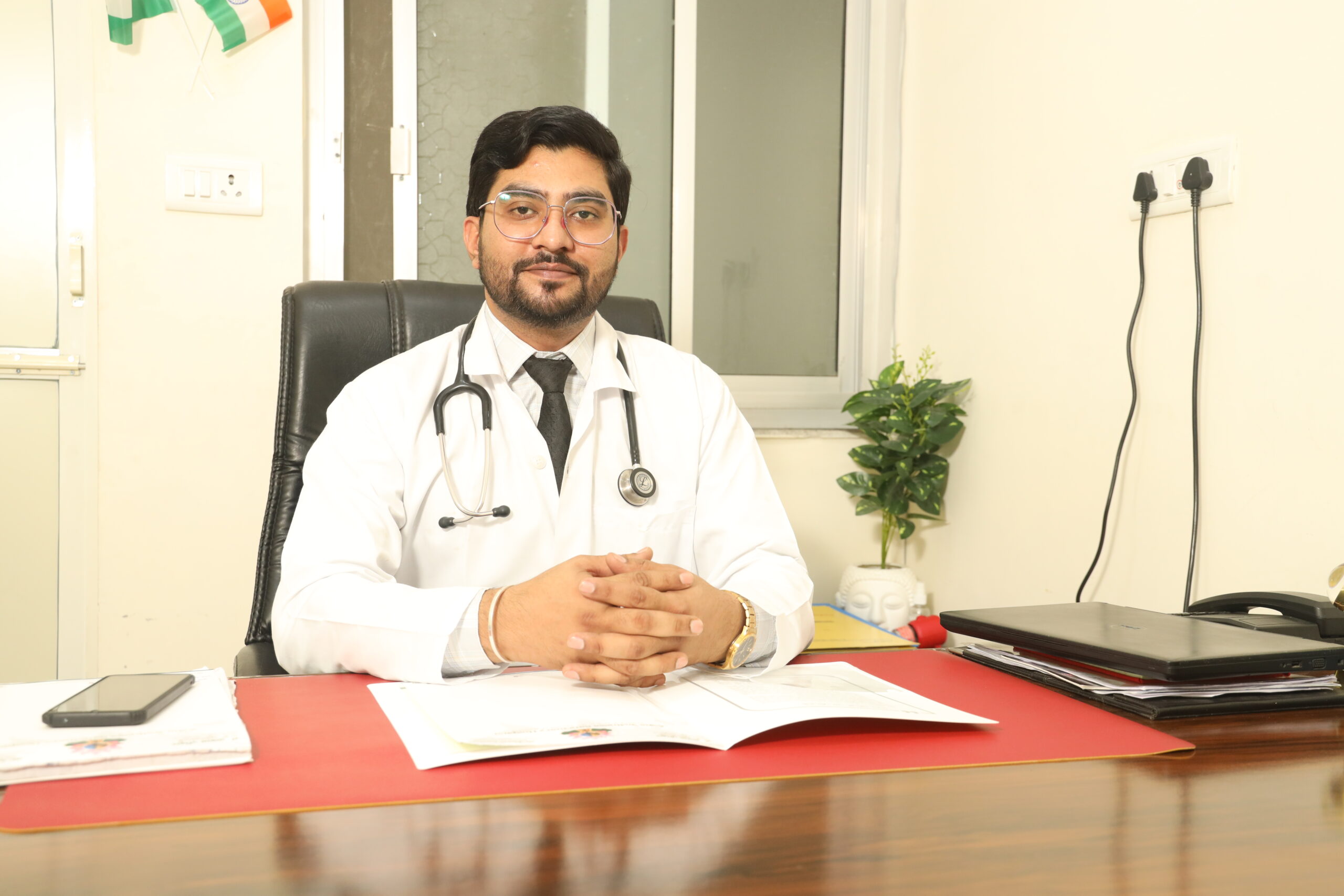
Dr. Akash Parihar
MBBS · MD Psychiatry · QACP · DAMS Faculty · IPS Rajasthan Chapter · RMC 44693/24590 · Gehlot AwardFounder and Lead Psychiatrist at Asha Wellness Sanctuary. 8 years of experience in adult and child psychiatry, ADHD, OCD, addiction, neuropsychiatry, and sexual medicine. Trained at Dr. S.N. Medical College, Jodhpur. Member: Indian Psychiatric Society Rajasthan, Rajasthan Medical Council, Indian Medical Association. Personally conducts all ADHD evaluations and diagnostic interviews.

Dr. Neha Mehra
RCI Certified Clinical Psychologist · CBT Specialist · Parent Management Training · Sex TherapyClinical Psychologist at Asha Wellness Sanctuary. Specialises in Cognitive Behavioural Therapy (CBT) for ADHD, Parent Management Training (PMT), social skills training, executive function coaching, and psychotherapy for adults with ADHD. Available Monday–Saturday 3PM–8PM and Sunday 9AM–12PM. Conducts all non-medical ADHD interventions and family psychoeducation sessions.
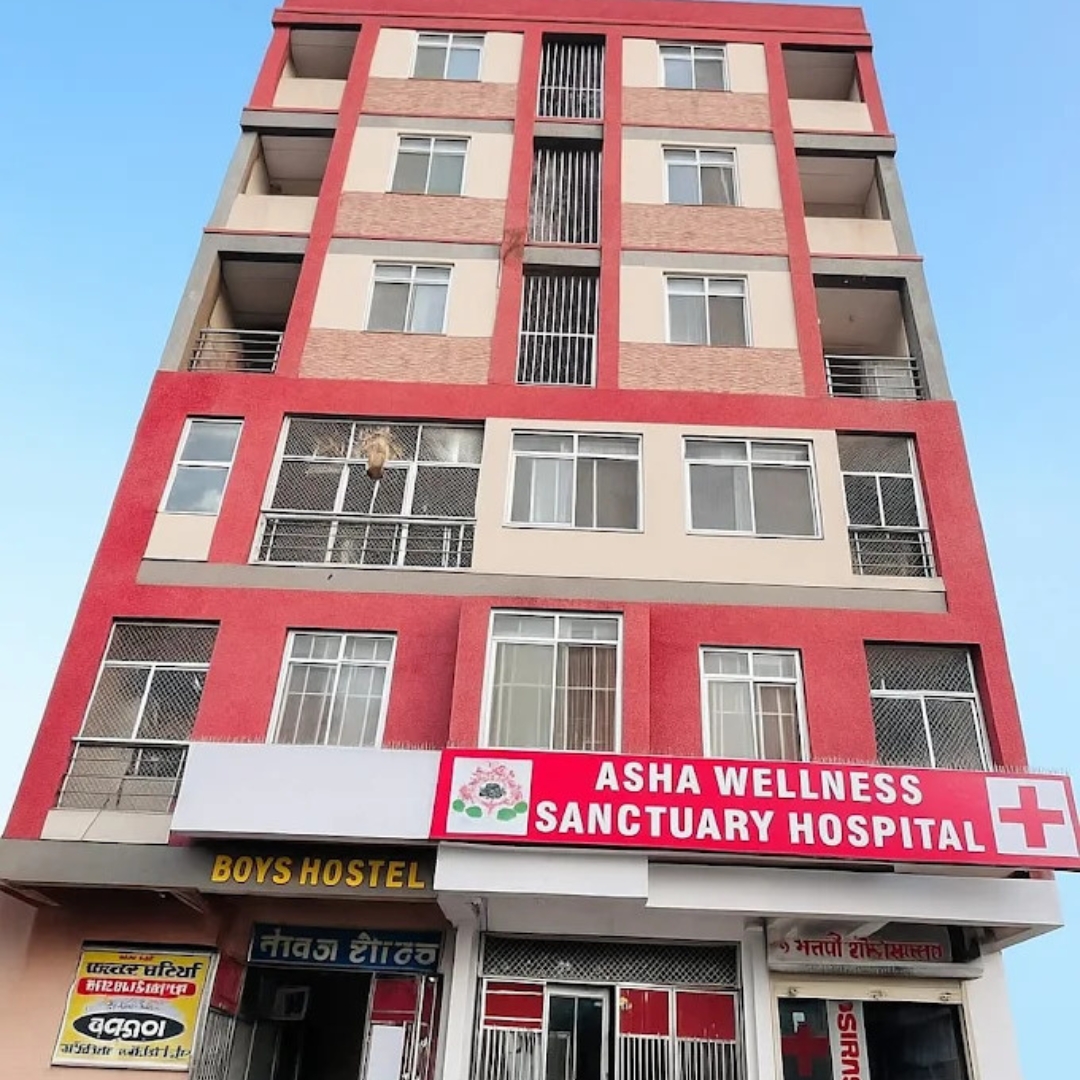
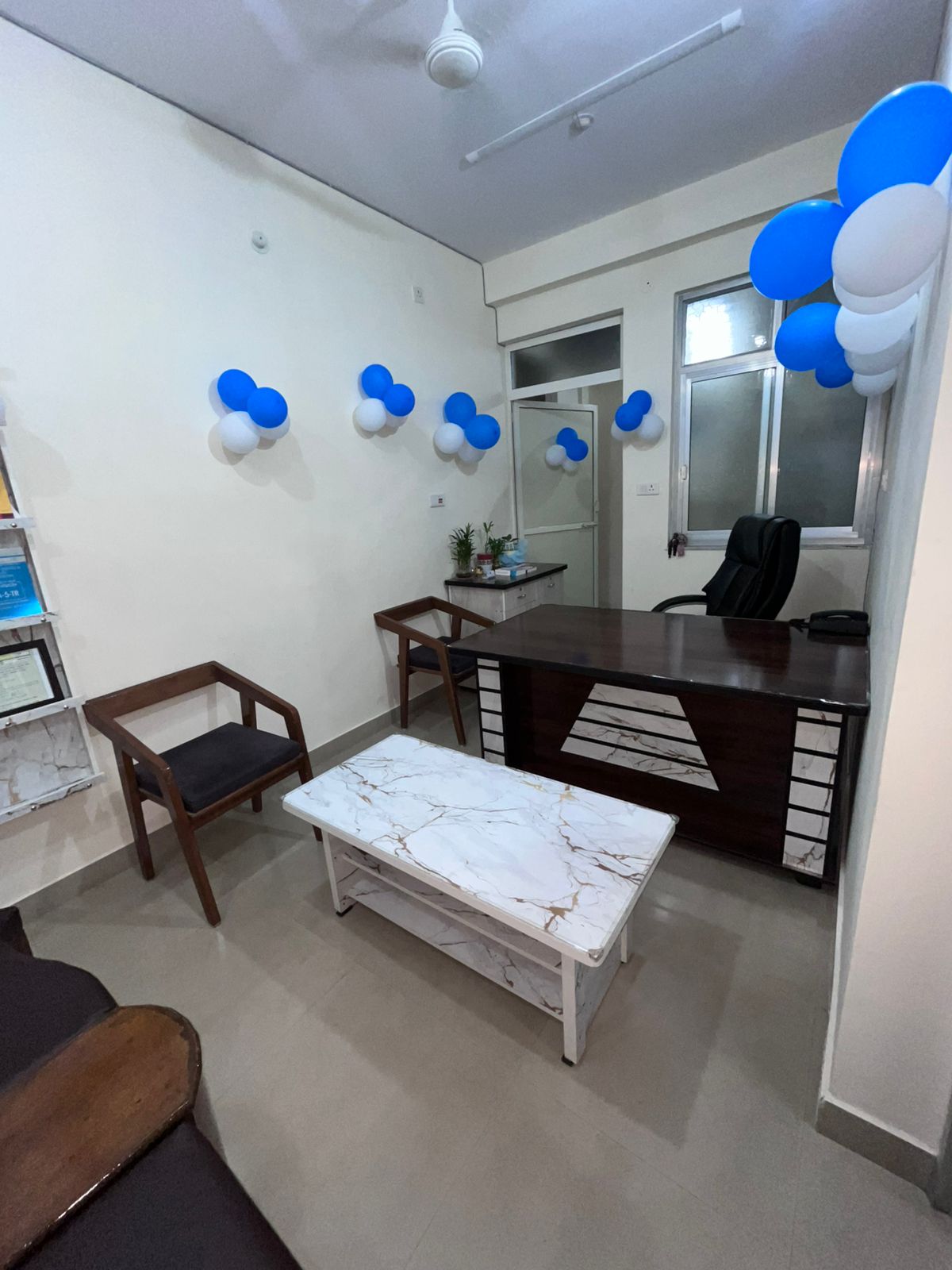
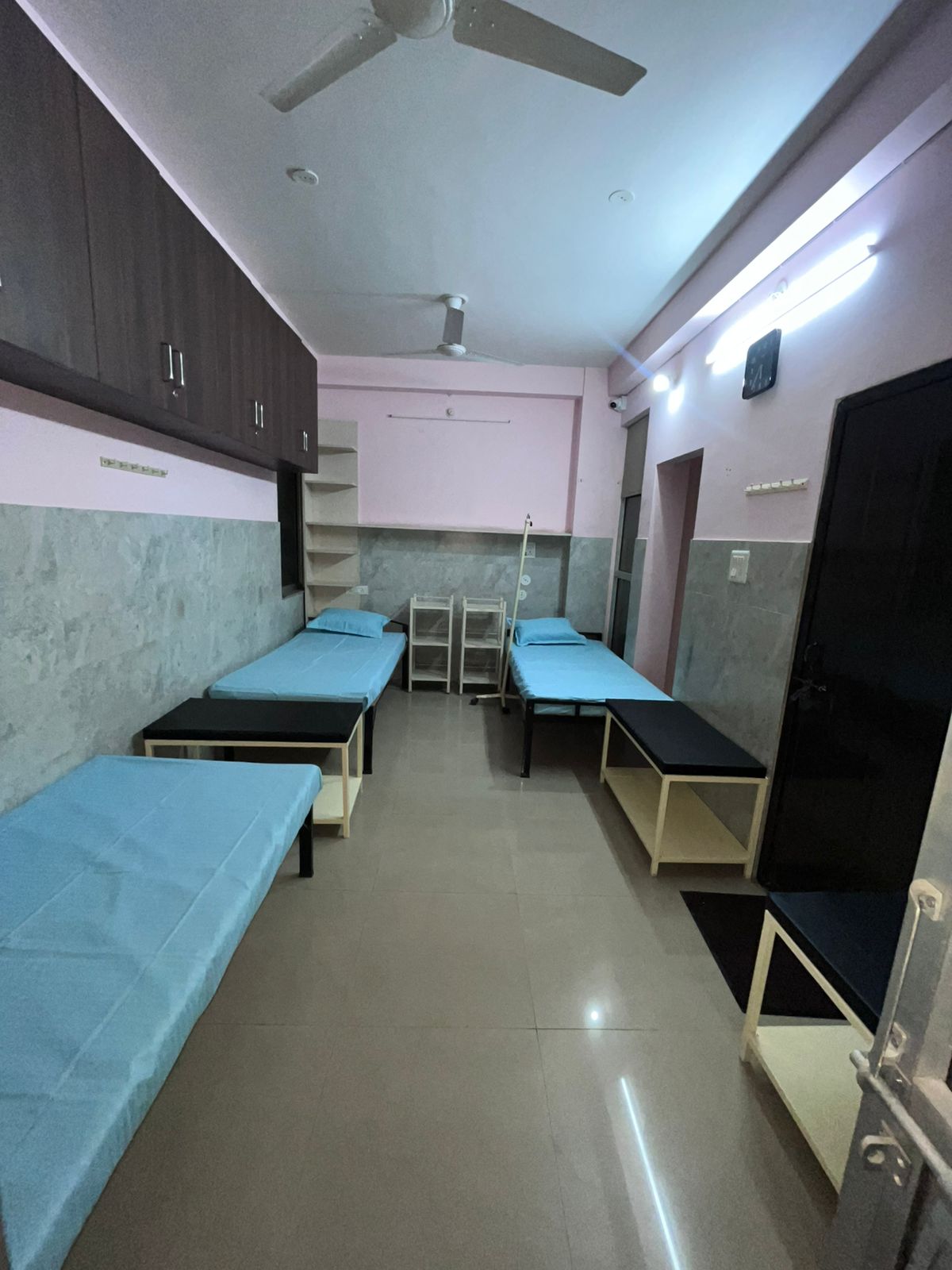
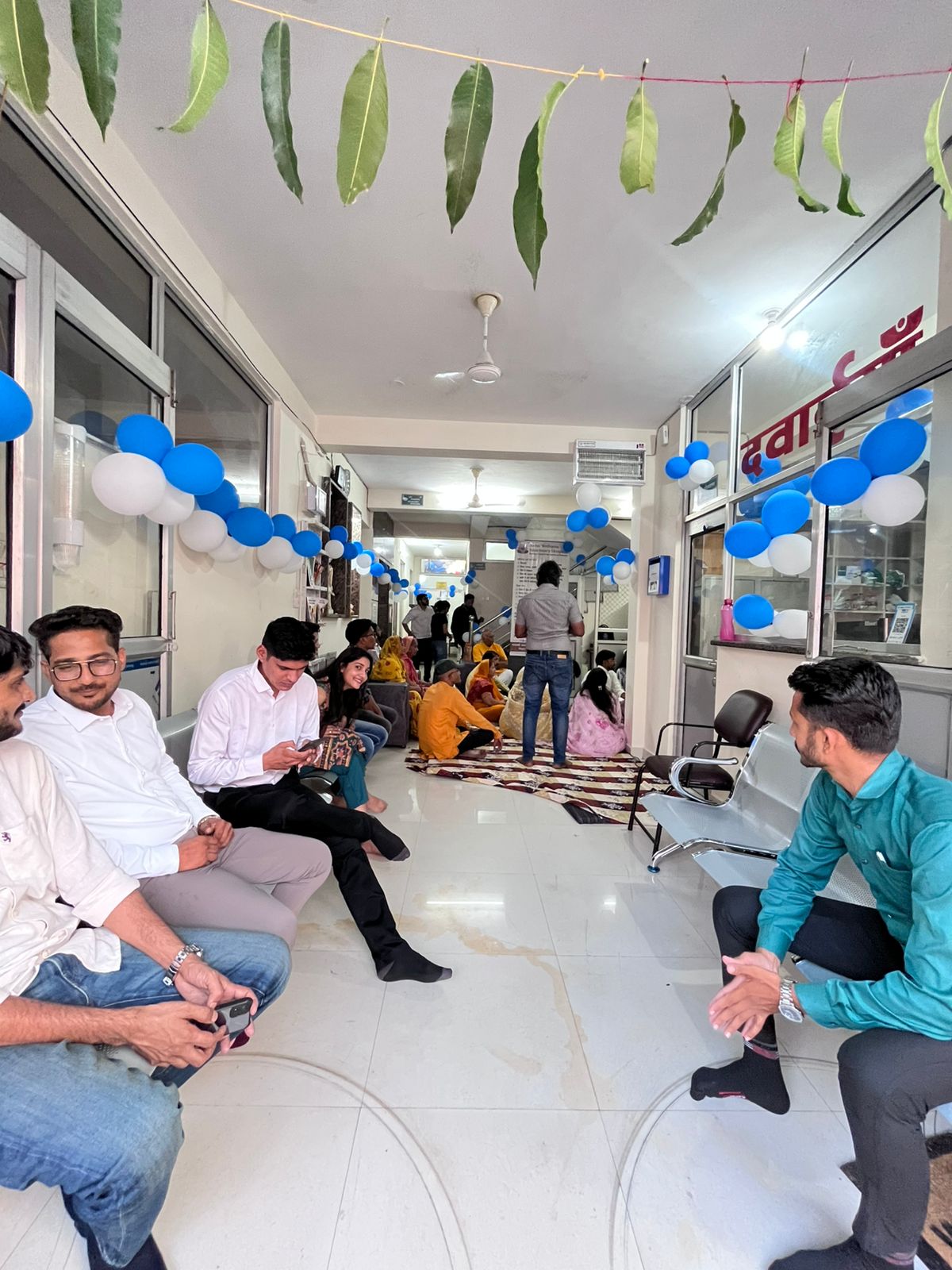
Asha Wellness Sanctuary — Kota's Premier Psychiatric Clinic
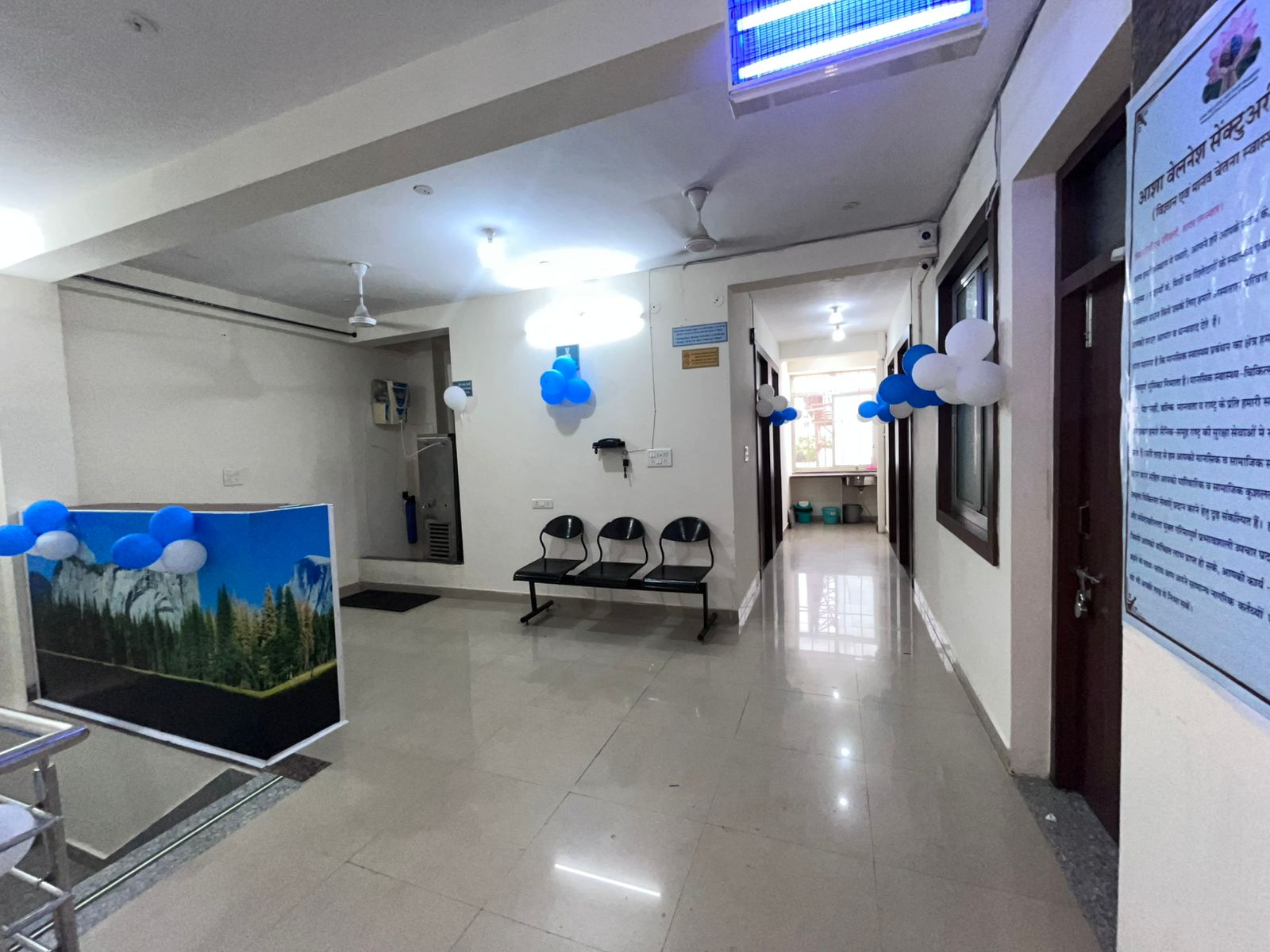
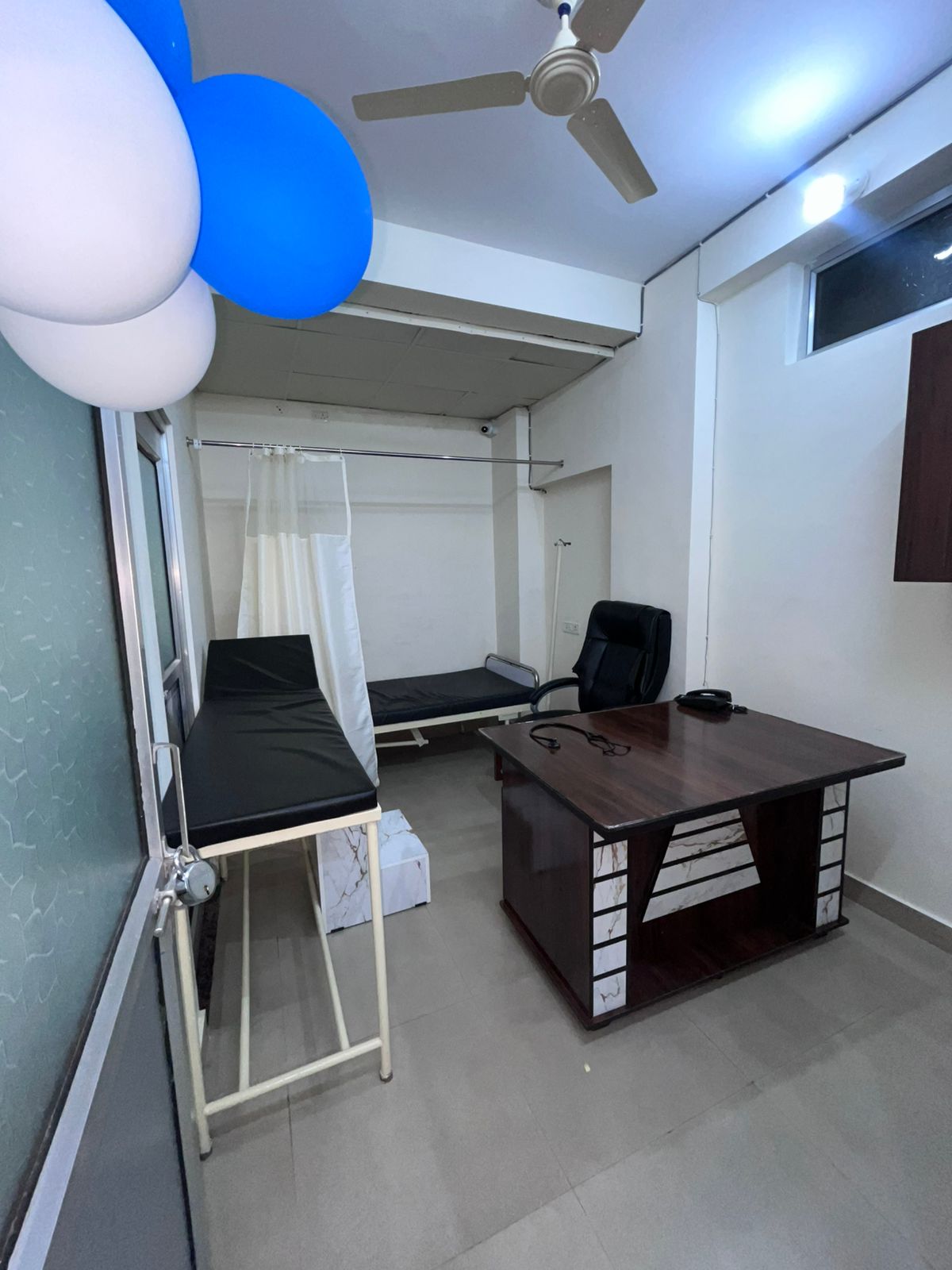
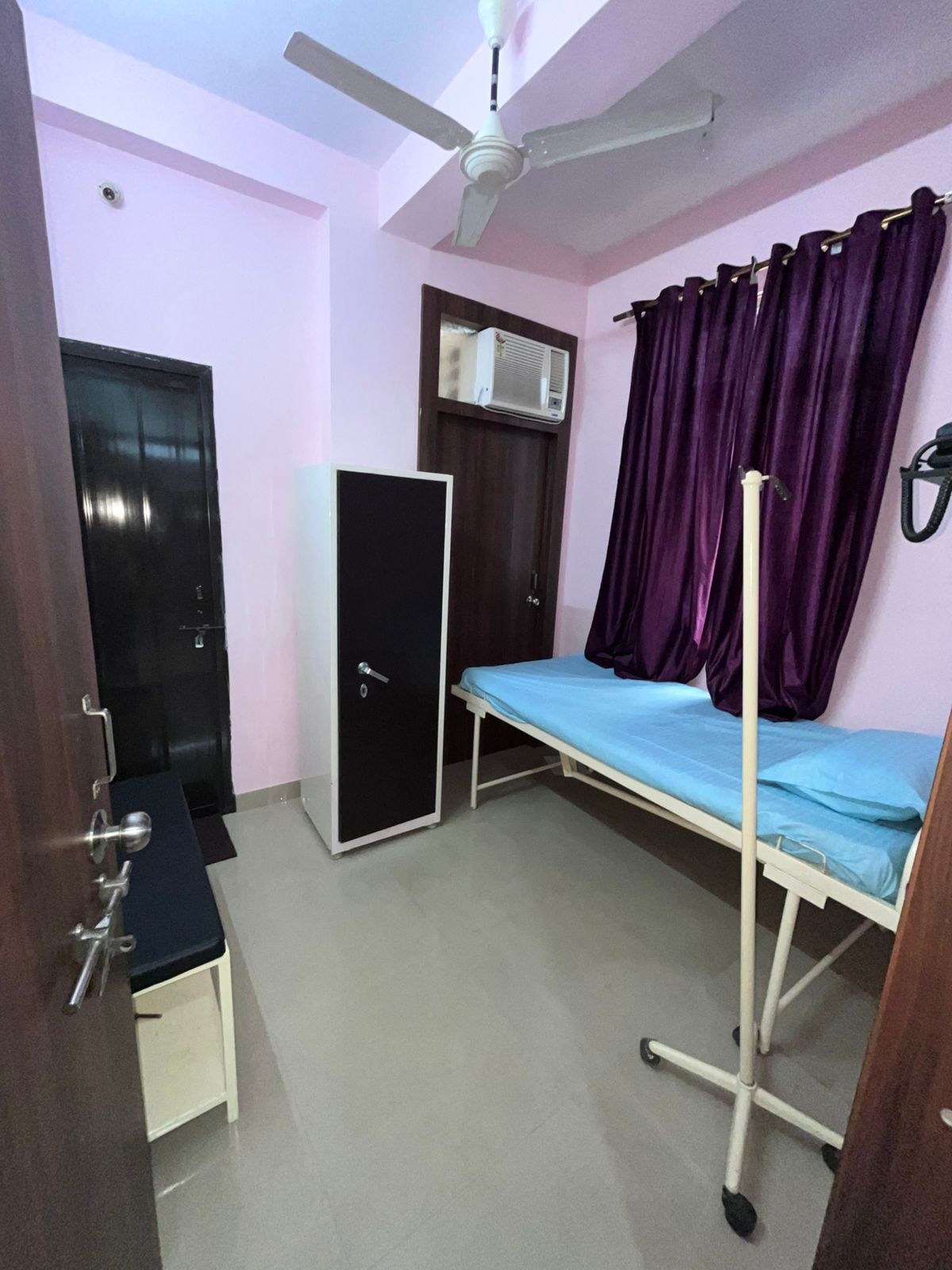
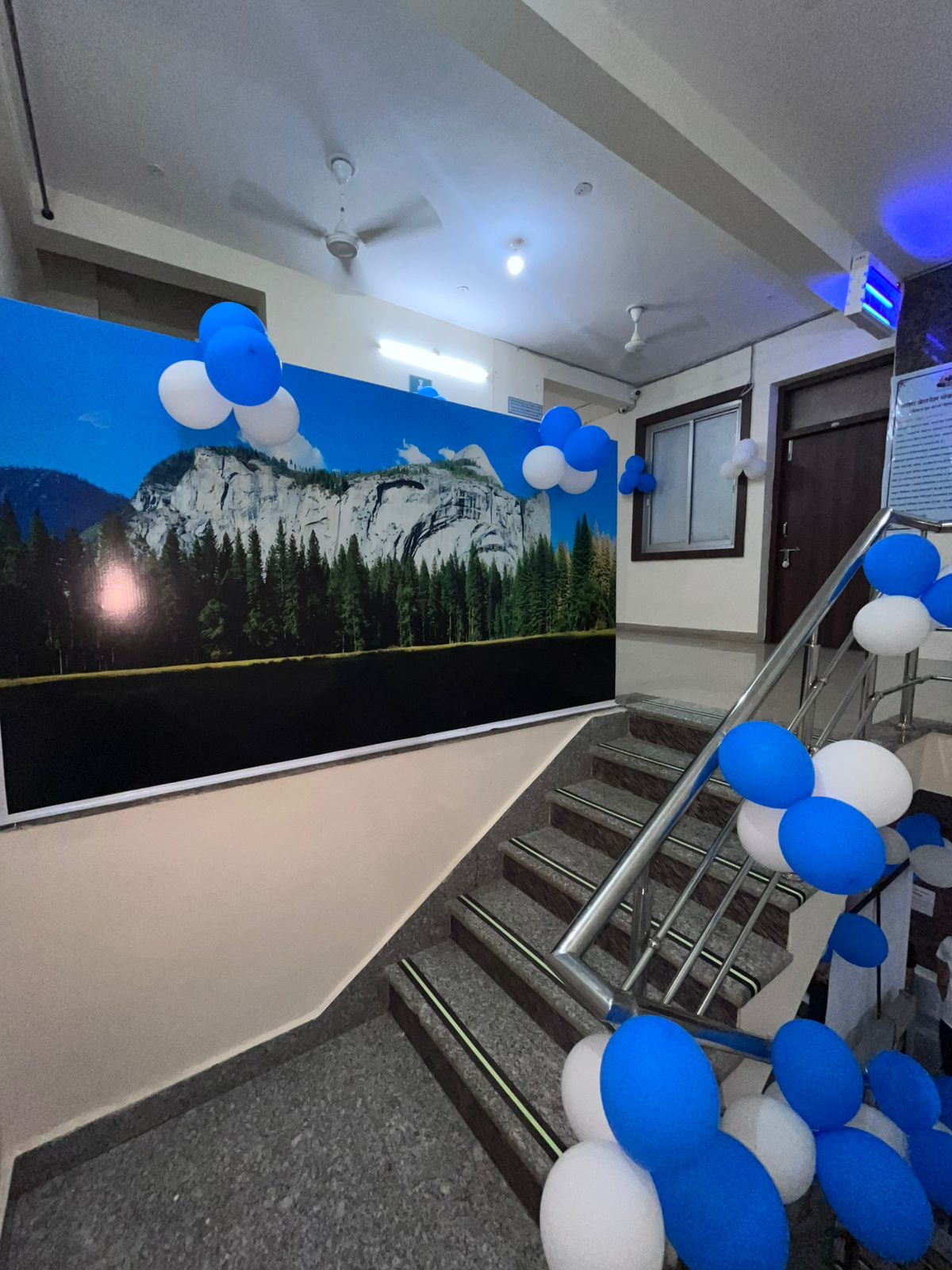
What Families Say About ADHD Treatment Here
मरीज़ों के अनुभव — ADHD treatment के बाद
Verified Google reviews · Top 3 Psychiatrist in Kota — ThreeBestRated.in
"My son was struggling in class 8 for years — labelled naughty and careless by every teacher. Dr. Akash diagnosed ADHD in the first visit with full explanation. After 3 months of medication and parent training with Dr. Neha, his grades improved dramatically. I wish we had come earlier."
"I am a 28-year-old who was just diagnosed with ADHD after years of being told I was lazy and disorganised. Dr. Akash explained everything so clearly — the science, the treatment options. Atomoxetine has changed my life. I finally understand why I struggled for so long."
"My daughter is a JEE aspirant in Kota coaching. She was struggling to retain what she studied. Dr. Akash identified inattentive ADHD. The accommodation letter for extra exam time was processed confidentially. Her performance has improved significantly."
"Mere bete ko school se baar baar complain aati thi. Humne socha tha discipline ki problem hai. Dr. Akash ne ADHD diagnose kiya aur samjhaya ki yeh medical condition hai, koi kamzori nahi. Ab woh kaafi better hai. Doctor bahut patient aur samajhdaar hain."
"I am an adult professional who always underperformed at work. Diagnosed with ADHD at age 35. The diagnosis itself was liberating — finally an explanation. Medication and CBT sessions with Dr. Neha have helped me function at a level I never thought possible."
"Dr. Akash ne poori family ko samjhaya ki ADHD kya hota hai. Unki team ne school ke saath coordinate kiya. Fees bilkul reasonable hain — ₹500 mein itna comprehensive assessment kahin nahi milega. Highly recommended to every parent in Kota."
Everything You Need to Know — Mega FAQ
ADHD के बारे में सबसे ज़्यादा पूछे जाने वाले सवाल
Comprehensive answers to the most frequently asked questions — targeting Google Featured Snippets, AI Overviews, and voice search. सबसे common सवालों के विस्तृत जवाब — Hindi और English दोनों में।
🧠 Basics & Understanding
🔬 Diagnosis
💊 Medication
🎓 Kota Students
📅 Appointments & Fees
Explore More at Asha Wellness Sanctuary
ADHD एक बीमारी है — कमज़ोरी नहीं।
Your Brain Is Not Broken.
It's Wired Differently.
Your child is not lazy. You are not a bad parent. The adult "underachieving" is not lacking will. ADHD is a neurological difference — and with the right diagnosis and treatment, people with ADHD routinely unlock exceptional potential. ₹500. DSM-5. Confidential. Kota.
📍 MPA-4, Mahaveer Nagar-II, Near Central Public School, Kota 324005, Rajasthan · Mon–Sat 9AM–9PM · Sun 9AM–12PM · Get Directions
The Official 18 Symptoms — DSM-5 Checklist
DSM-5 के अनुसार ADHD के 18 आधिकारिक symptoms
Important: This is a Screening Reference — Not Self-Diagnosis
The DSM-5 criteria require clinical judgement — not just symptom counting. A qualified psychiatrist must evaluate developmental history, severity, impairment, onset before age 12, presence in 2+ settings, and must rule out alternative diagnoses. Contact Dr. Akash Parihar at +91-7300342858 for a formal assessment.
ADHD Specifier: Severity
Mild: Few symptoms beyond threshold, minor impairment. Moderate: Symptoms and impairment between mild and severe. Severe: Many symptoms beyond threshold, marked impairment across multiple settings. Severity guides medication dosing and intensity of psychosocial intervention.
How ADHD is Diagnosed at Asha Wellness Sanctuary
Dr. Akash Parihar का ADHD diagnosis process — step by step
ADHD Cannot Be Diagnosed From a Questionnaire or a 10-Minute Appointment
Any clinic that diagnoses ADHD in under 30 minutes from a single checklist is providing substandard care. A proper evaluation takes 60–90 minutes and integrates information from multiple sources. Dr. Akash Parihar follows a structured DSM-5 protocol — no diagnosis is given without meeting full criteria across developmental history, rating scales, and differential diagnosis.
Comprehensive Clinical Interview
A detailed, structured clinical interview with the child/adult AND parent or partner. Covers: complete developmental history (pregnancy, birth, early milestones), school reports and academic records, detailed symptom history with onset before age 12, family psychiatric history (especially ADHD, anxiety, depression), current functioning across multiple settings, and any previous mental health treatment.
Bring to your first appointment: Old school report cards, any previous assessment reports, immunisation records (for developmental milestones), and any current medication list.
60–90 minutesValidated Rating Scales — Objective Measurement
Gold-standard validated rating scales provide normative comparison — how severe are symptoms compared to thousands of age-matched peers worldwide? Scales differ by age group:
Children: Conners' 3rd Edition (parent + teacher forms), Vanderbilt ADHD Diagnostic Rating Scale, SDQ (Strengths & Difficulties Questionnaire).
Adults: DIVA 2.0 (Diagnostic Interview for Adult ADHD — gold standard), CAARS (Conners' Adult ADHD Rating Scales), ASRS (Adult ADHD Self-Report Scale — WHO).
Rating ScalesDifferential Diagnosis — Ruling Out Mimics
Multiple conditions can mimic ADHD and must be systematically ruled out before diagnosis. This is where clinical expertise matters most:
Cognitive & Neuropsychological Screening
Brief cognitive tests characterise the specific cognitive profile — not to test intelligence (ADHD patients are typically average or above average IQ) but to assess working memory capacity, processing speed, and executive function. Clinically valuable for: guiding academic accommodations, differentiating ADHD from learning disability, and explaining the gap between intellectual potential and academic performance.
Screening tests used: Trail Making Test (A & B), Digit Span (WISC-V subtests), Stroop Colour-Word Test, Rey Auditory Verbal Learning Test, and Working Memory Rating Scale.
If indicatedDiagnosis, Psychoeducation & Personalised Treatment Plan
If ADHD criteria are met: the diagnosis is explained thoroughly with full psychoeducation (what ADHD is, how it affects the brain, what it means for the future). Treatment options are discussed collaboratively — medication, therapy, lifestyle, academic support. Family members receive a clear explanation of ADHD as a neurobiological condition — not a parenting failure or character flaw.
Documents provided: Formal diagnosis letter, personalised treatment plan, school/coaching accommodation letter (upon request), medication prescription with monitoring schedule, and written psychoeducation material.
Diagnosis SessionADHD vs Anxiety vs Depression vs Burnout — Key Differences
| Feature | ADHD | Anxiety | Depression | Kota Burnout |
|---|---|---|---|---|
| Onset | Before age 12 | Any age; often situational | Often episodic | After sustained stress |
| Inattention | Core symptom | Worry-driven distraction | Motivation loss | Exhaustion-driven |
| Hyperactivity | Present (esp. children) | Physiological tension | Usually absent | Usually absent |
| Memory | Working memory deficits | Selective attention/worry | General slowing | Fatigue-related |
| Stimulant Response | Improves focus dramatically | May worsen anxiety | Variable | Variable |
| Mood | Dysregulated, labile | Anxious, fearful | Persistently low | Empty, depleted |
| Sleep | Delayed sleep phase | Difficulty falling asleep | Hypersomnia or insomnia | Excessive sleep |
| Interests | Hyperfocus on interests | Avoidance | Anhedonia | Reduced engagement |
| Can co-occur? | — | Yes — very common | Yes — very common | Yes |
Note: These conditions frequently co-occur. ADHD + Anxiety is present in 30–40% of ADHD patients. Accurate differential diagnosis requires clinical expertise — not self-assessment.
ADHD Treatment at Asha Wellness — Complete Protocol
ADHD का इलाज — दवाइयाँ + Therapy + Parent Training + School Support
Pharmacotherapy — Stimulants
Grade A Evidence · Strongest in Paediatric PsychiatryStimulant medications are the most studied paediatric medications in history with 80+ years of evidence and hundreds of randomised controlled trials. They work by increasing dopamine and norepinephrine availability in the prefrontal cortex — addressing the core neurochemical deficit of ADHD.
- Methylphenidate (MPH) — First-Line for Children 6+. Available as: Immediate Release (Ritalin — 2–4 hours), Extended Release (Concerta — 8–12 hours), OROS formulations. 70–80% response rate. Monitored for height, weight, BP, heart rate at every visit.
- Amphetamine Salts — Alternative stimulant. Slightly superior in adults per Lancet 2018 network meta-analysis. Not currently available in India but mentioned for completeness.
- Titration protocol: Start low, increase every 1–2 weeks until optimal response or side effects limit. Target: symptom reduction with minimal side effects — not "maximum dose."
- Common side effects (usually mild, transient): Reduced appetite (lunch), minor sleep delay, occasional headache in first weeks. Managed with timing adjustments. NOT addictive at therapeutic doses — reduces future substance use risk. Research →
Pharmacotherapy — Non-Stimulants
Preferred when anxiety is comorbid · Good for adultsNon-stimulant options are important for patients who don't respond to stimulants, have significant comorbid anxiety, have a history of substance use disorder, or parents who prefer non-stimulant options.
- Atomoxetine (ATX) — Strattera. Selective norepinephrine reuptake inhibitor (SNRI). Non-stimulant, non-controlled. Takes 4–6 weeks for full effect. Highly effective for adults and patients with comorbid anxiety. Preferred when tics are present. No abuse potential.
- Guanfacine ER (Intuniv). Alpha-2A agonist. Particularly useful for emotional dysregulation and aggression. Often used as an adjunct to stimulants. Also effective for comorbid tics (Tourette syndrome).
- Clonidine. Older alpha-2 agonist. Used for sleep difficulties and hyperactivity/impulsivity in younger children. Less preferred as a primary agent but valuable adjunct.
Behavioural & Psychosocial Therapy
Essential for children under 6 · Enhances medication effectPsychosocial interventions work best when combined with medication for school-age children and adults. Led by Dr. Neha Mehra (RCI-Certified Psychologist) at Asha Wellness Sanctuary.
- Parent Management Training (PMT) — First-line for ages 4–5. Parents learn: consistent reward/consequence systems, antecedent control, positive reinforcement strategies, effective instruction delivery, and natural consequences. Research shows PMT alone can produce 30–40% symptom reduction.
- CBT for Teens & Adults. 12–20 structured sessions targeting: time management, organisation systems, procrastination, emotional regulation, negative self-talk, and executive function skills. Particularly powerful when combined with medication.
- Executive Function (EF) Coaching. Kota-adapted strategies: Pomodoro Technique modified for ADHD (5 min work + 1 min movement), body doubling, external accountability systems, workspace organisation, and planner-based time management.
- Mindfulness-Based Interventions (MBI-A). Adapted mindfulness for ADHD — improves inhibitory control and reduces emotional reactivity. Efficacy evidence →
School & Coaching Accommodations
Official letters provided by Dr. Akash after confirmed diagnosisAcademic accommodations are a legitimate medical intervention — not "cheating." ADHD students have a neurological impairment that creates an uneven playing field. Accommodations level it. All provided confidentially — coaching centre handles discreetly.
- Extended exam time (25–50% additional for JEE/NEET format exams)
- Separate quiet room for examinations (eliminates distraction)
- Preferential seating in the front row of classroom/lecture hall
- Permission for structured movement breaks during study hours
- Technology accommodations where available (audio materials, etc.)
- Reduced homework load without academic content reduction
- Teacher awareness letter (confidential) explaining specific ADHD impacts
Accommodation letters provided after confirmed diagnosis. RPWD Act 2016 protects the rights of students with neurodevelopmental disabilities in India.
Lifestyle Interventions
Adjunctive — enhances medication & therapy effectLifestyle interventions do not replace medication or therapy for moderate-to-severe ADHD but significantly enhance treatment outcomes when consistently implemented.
- Exercise — Strongest lifestyle evidence. Aerobic exercise (30 min, 3–5×/week) increases dopamine and norepinephrine — providing up to 2 hours of improved concentration. Some research shows it rivals low-dose stimulants for mild ADHD.
- Sleep optimisation. ADHD and sleep are deeply intertwined. Consistent sleep timing, no screens 60 min before bed, cool dark room. Melatonin (0.5–3 mg) may help with sleep onset in ADHD.
- Omega-3 fatty acids. EPA/DHA supplementation (1–2 g/day) — modest but consistent evidence for symptom reduction, especially in children with low omega-3 levels.
- Iron & Zinc. Iron deficiency is associated with worse ADHD symptoms. Serum ferritin levels should be checked — supplementation if <30 ng/mL.
- Reduced sugar/processed food. No direct causation proven but high glycaemic diet worsens concentration and mood dysregulation in ADHD.
Monitoring & Long-Term Follow-Up
Monthly during initiation · Quarterly ongoing- Monthly visits (first 3 months): Medication titration and side effect monitoring
- Growth monitoring in children: Height and weight plotted on growth curve at every visit
- Cardiovascular monitoring: Blood pressure and resting heart rate at every medication visit
- Sleep and appetite tracking: Sleep diary and appetite assessment every visit
- Academic performance review: School/coaching performance every 3 months
- CGAS (Children's Global Assessment Scale): Overall functioning tracked
- Medication holidays: Optional structured breaks during school holidays to assess continued need and allow growth recovery in children
- Annual comprehensive reassessment: Full DSM-5 re-evaluation to confirm ongoing need and adjust treatment plan
ADHD & Kota's Coaching Culture
कोटा के coaching students में ADHD — एक छुपी हुई समस्या
Kota is home to the world's largest private coaching ecosystem — over 200,000 students annually pursuing JEE and NEET. This creates a unique psychiatric context where ADHD intersects with extreme academic pressure in ways that are only beginning to be documented.
Why Kota's Conditions Perfectly Unmask ADHD
📖 6–8 Hour Passive Lectures
ADHD brains cannot sustain attention on non-engaging, passive content for hours. Long coaching lectures are precisely the worst learning format for the ADHD brain. The student falls behind in class, panics, and compensates through night study — leading to sleep deprivation that worsens ADHD.
🏠 Hostel Isolation
ADHD students rely heavily on family structure to maintain routines. In Kota hostels, this external scaffolding disappears. Without parental reminders, structured schedules, and emotional support, ADHD symptoms accelerate dramatically within the first semester.
📊 Comparison Culture
Kota's competitive environment — rank cards, public performance comparisons — is devastating for ADHD students with rejection sensitivity dysphoria. Shame spirals deepen, academic anxiety mounts, and the ADHD student increasingly isolates or self-medicates.
⚡ The "Study But Don't Retain" Experience
The most common complaint from ADHD students in Kota: "I study for 8 hours but can't remember anything in the exam." This is not laziness — it is ADHD's working memory deficit combined with anxiety-induced retrieval failure. The student genuinely studied; the ADHD brain failed to consolidate and retrieve under pressure.
📊 Key Statistics — Kota + ADHD
🚨 Warning Signs in Kota Students
ADHD Rarely Comes Alone
ADHD के साथ अक्सर और क्या होता है? — 60–80% patients में comorbidity
Research consistently shows that 60–80% of individuals with ADHD have at least one additional psychiatric condition. Understanding comorbidities is essential because treating ADHD alone while missing a comorbid condition produces incomplete results. ADHD के साथ anxiety, depression, OCD, sleep disorders — सब साथ हो सकते हैं।
ADHD drives underperformance → anxiety mounts. Most common comorbidity. Atomoxetine preferred over stimulants when anxiety is prominent.
Anxiety Treatment →Often secondary to years of ADHD-related failure and shame. Successfully treating ADHD frequently resolves depressive symptoms.
Depression Treatment →Oppositional Defiant Disorder is highly prevalent in boys with ADHD — often driven by the frustration of unmanaged ADHD.
Child Psychiatry →Dyslexia, dyscalculia, and dysgraphia co-occur significantly with ADHD. May be missed when ADHD is the primary focus.
Child Psychiatry →Delayed sleep phase syndrome is almost universal in ADHD. Sleep deprivation in turn worsens all ADHD symptoms — a vicious cycle.
Sleep Treatment →DSM-5 (2013) formally recognised that ADHD and ASD can co-occur — previously excluded. ADHD+ASD requires specialised treatment planning.
ASD Assessment →Emotional dysregulation and low frustration tolerance are core ADHD features. Guanfacine adjunct significantly helps anger in ADHD.
Anger Management →Self-medication through alcohol, cannabis, stimulants. Treating ADHD early dramatically reduces lifetime substance use risk.
De-addiction →10 ADHD Myths — Completely Debunked
ADHD के बारे में 10 गलत धारणाएं — सच क्या है?
These myths are not harmless — they delay diagnosis by years, cause immense suffering, and prevent millions of families from accessing life-changing treatment. ये गलत धारणाएं ADHD की diagnosis में सालों की देरी करती हैं।
Parenting a Child with ADHD — A Complete Guide
ADHD वाले बच्चे के माँ-बाप के लिए complete guide
Reframe the Narrative
The most powerful first step is cognitive — replacing "my child is naughty/lazy" with "my child has a neurological condition that makes certain things genuinely harder." This reframe changes the parent-child relationship from adversarial to collaborative. It also allows the parent to work with the child's brain rather than against it.
"बच्चा बुरा नहीं है — उसका brain अलग तरह से काम करता है।" यह सोच बदलने से सब बदल जाता है।External Structure Is Everything
ADHD brains have insufficient internal organisation — so they need external scaffolding. Visual timetables, consistent routines, written-out to-do lists, phone alarms, and homework organisation systems are not coddling — they are medical accommodations. When external structure is removed (Kota hostel), ADHD symptoms escalate immediately.
Time table, visual reminders, alarms — ये ADHD बच्चे के लिए essential tools हैं, extra नहीं।Catch Them Being Good
Parent Management Training's core principle: ADHD children receive 9× more negative feedback than positive. This shapes self-image profoundly. Parents must deliberately and specifically praise effort, not just outcomes. "You sat and worked on that for 10 full minutes — that's really good" is more effective than "you're so smart."
ADHD बच्चों को positive feedback बहुत कम मिलती है — हर अच्छे काम को immediately notice करें।Master Transitions
Transitions (switching between activities) are neurologically challenging for ADHD. Use: 5-minute warnings before transitions, visual timers (Time Timer app), consistent transition routines, and never abruptly stopping a hyperfocus activity. "You have 5 more minutes of Minecraft, then dinner" prevents 90% of transition meltdowns.
"5 मिनट में खाना" — पहले बताना ज़रूरी है। Abrupt transition ADHD में meltdown trigger करती है।Separating the Child From the Behaviour
Critical distinction: "You did something bad" vs "You ARE bad." ADHD children with shame-based parenting develop internalised self-criticism that survives into adulthood as depression and anxiety. Consequences should address the specific behaviour without attacking character. "That was a risky choice" rather than "you're so irresponsible."
"तुमने गलत किया" — "तुम गलत हो" — दोनों बहुत अलग हैं। पहला सिखाता है, दूसरा तोड़ता है।Parent Burnout Is Real
Parenting a child with ADHD is objectively more demanding — higher parenting stress, more behavioural challenges, more school complaints, more appointments. Parent burnout is real and clinically important. Dr. Akash's team screens for parenting stress and Dr. Neha offers parent support sessions as part of comprehensive ADHD care.
ADHD बच्चे के parents को भी support चाहिए — यह कमज़ोरी नहीं है। Dr. Neha से parent counseling ज़रूर लें।Landmark Research — The Science Behind ADHD Care at Asha
ADHD के पीछे का science — landmark research papers
ADHD is a Brain Development Disorder — Proven
Confirmed structural brain differences — smaller subcortical volumes (caudate nucleus, putamen, globus pallidus, amygdala, accumbens) and delayed cortical development. Definitively establishes ADHD as neurobiological, not behavioural. The study that ended the "ADHD is just bad parenting" argument in medical literature.
Lancet Psychiatry 2017 →Comparative Effectiveness — 81 RCTs Network Meta-Analysis
The definitive treatment comparison study. Methylphenidate most effective first-line for children; amphetamines slightly superior for adults. All stimulants significantly more effective than placebo. Atomoxetine effective for all ages. The most comprehensive ADHD treatment evidence synthesis ever conducted.
Lancet Psychiatry 2018 →Clinical Practice Guideline for ADHD — Updated 2023
Gold standard guideline — updated 2023. Extended diagnostic consideration to age 4. Age-specific treatment algorithms. Emphasises multimodal approach. Recommends parent training as first-line for ages 4–5, combined medication + behavioural therapy for ages 6+. Currently followed at Asha Wellness Sanctuary.
AAP Pediatrics 2023 →GWAS Study — 74–80% Heritability Confirmed
Identified 27 genome-wide significant loci. Confirmed 74–80% heritability — among the highest for any psychiatric condition. Established clear genetic overlap with educational attainment and brain structure. Definitively answered the "is ADHD biological?" question with the largest genetic dataset in ADHD history.
Nature Genetics 2023 →National Mental Health Survey — India ADHD Data
ADHD prevalence in India: 5–7% of children. Treatment gap exceeds 90%. Significant urban-rural diagnostic disparity. Cultural factors — attributing ADHD behaviour to naughtiness, lack of discipline, or supernatural causes — delay help-seeking by 3–7 years in many Indian families.
NIMHANS Survey →Why Girls With ADHD Are Systematically Underdiagnosed
Girls diagnosed on average 3 years later than boys. Higher rates of depression, self-harm, and eating disorders in undiagnosed girls. Internalised presentation and social masking prevent recognition. Critical public health issue disproportionately affecting female mental health in India where girls face additional pressures to mask academic struggles.
Research →Aerobic Exercise as ADHD Treatment — Meta-Analysis
Aerobic exercise (30 min, 3–5×/week) significantly improves attention, inhibitory control, and working memory in ADHD. Effect size comparable to low-dose stimulant medication for mild symptoms. Best combined with medication for moderate-to-severe ADHD. Strong recommendation for all ADHD patients.
Research →Parent Management Training — Cochrane Review
Parent Management Training produces significant improvements in ADHD symptoms, oppositional behaviour, and parent-child relationships. Effect persists at 1-year follow-up. Most evidence for ages 3–10. First-line for preschool ADHD per AAP 2023. Essential component of comprehensive ADHD care at Asha Wellness Sanctuary.
Cochrane 2023 →ADHD Clinical Glossary
ADHD के technical terms — आसान भाषा में
Every important ADHD term explained in plain English — and Hindi. Use this as your reference while reading research or talking to Dr. Akash about your diagnosis. ADHD के सभी technical शब्दों की सरल व्याख्या।
This Encyclopedia is Authored & Reviewed By
इस encyclopedia के author और medical reviewer
Dr. Akash Parihar
MBBS · MD Psychiatry (MD Neuropsychiatry) · QACP · 8 Years ExperienceFounder & Lead Psychiatrist, Asha Wellness Sanctuary, Kota. DAMS Faculty. IPS Rajasthan Chapter Member (IPSRAJ/LOM/A02/21). Rajasthan Medical Council (RMC 44693/24590). IMA Member (IMERJ19311). Gehlot Award recipient. Dr. S.N. Medical College, Jodhpur alumnus. Specialises in ADHD, OCD, depression, anxiety, de-addiction, sexual medicine, and student mental health. This encyclopedia was written, authored, and medically reviewed by Dr. Akash Parihar.
Dr. Neha Mehra
RCI-Certified Clinical Psychologist · CBT · Parent Management Training · Sex TherapyClinical Psychologist at Asha Wellness Sanctuary, Kota. RCI-Certified — the gold standard in Indian clinical psychology. Provides CBT for ADHD, Parent Management Training (PMT), executive function coaching, and sex therapy. Hours: Monday–Saturday 3PM–8PM, Sunday 9AM–12PM. Dr. Neha leads all psychotherapy and parent training sessions for ADHD at Asha Wellness Sanctuary.
Our Clinic — A Safe Space for Your Mental Health Journey
What Our ADHD Patients Say
ADHD patients के अनुभव — उनकी ज़ुबान में
"My son was struggling in class 8 for years — labelled naughty and careless by every teacher. Dr. Akash diagnosed ADHD in the first visit with full explanation. After 3 months of medication and parent training with Dr. Neha, his grades improved dramatically. I wish we had come earlier."
"I am a 28-year-old woman diagnosed with ADHD after years of being called lazy and disorganised. Dr. Akash explained everything so clearly — the science, the medications, what to expect. Atomoxetine has truly changed my life. I finally understand myself."
"My daughter is a JEE aspirant in Kota coaching. She was studying 8 hours daily but retaining nothing. Dr. Akash identified inattentive ADHD. The coaching accommodation letter was processed confidentially — coaching institute handled it discreetly. Her performance has improved significantly."
"Mere bete ko school se baar baar complaint aati thi. Humne socha discipline ki problem hai. Dr. Akash ne ADHD diagnose kiya aur bataaya ki yeh medical condition hai, koi kamzori nahi. Ab woh kaafi better hai. Doctor bahut patient aur samajhdar hain. Highly recommended."
"Diagnosed with ADHD at age 35. The diagnosis itself was liberating — finally an explanation for 35 years of underachievement. CBT sessions with Dr. Neha helped me build systems I never could before. Medication plus therapy together is the complete solution."
"Bahut achha experience raha. Dr. Akash ne poori family ko samjhaya ki ADHD kya hota hai. Unki team ne school ke saath coordinate kiya. Fees bilkul reasonable hain — ₹500 mein itna comprehensive assessment kahin nahi milega Kota mein. Puri tarah satisfied hain."
Everything You Need to Know — Before Calling
अक्सर पूछे जाने वाले सवाल — call से पहले पढ़ें
This encyclopedia is authored and medically reviewed by Dr. Akash Parihar, MD Psychiatry, for educational purposes only. It does not constitute medical advice or replace professional psychiatric evaluation. Individual symptoms may have multiple causes — always consult a qualified psychiatrist. Asha Wellness Sanctuary does NOT provide 24/7 emergency crisis support. If you or someone you know is in a psychiatric emergency or experiencing suicidal ideation, please contact: iCall (India): 9152987821 · Vandrevala Foundation: 1860-2662-345 · NIMHANS Helpline: 080-46110007 or visit the nearest government hospital emergency department immediately. All treatment outcomes mentioned are based on population-level evidence; individual results vary.
Explore All Services at Asha Wellness Sanctuary
ADHD एक बीमारी है — कमज़ोरी नहीं।
ADHD is a Neurological Condition.
Not a Character Flaw. Not Laziness.
Your child is not lazy. You are not a bad parent. The adult "underachieving" is not lacking willpower. ADHD is a brain-wiring difference — and with the right diagnosis and treatment, people with ADHD routinely outperform. India's most comprehensive ADHD care in Kota — ₹500 · DSM-5 · Confidential · English + हिंदी.
📍 MPA-4, Mahaveer Nagar-II, Near Central Public School, Kota 324005, Rajasthan · Mon–Sat 9AM–9PM · Sun 9AM–12PM · Online Available Pan-India