Indian Cultural Syndromes — A Complete Psychiatric Reference
Comprehensive guide to 38+ culture-bound syndromes in India — Dhat, Koro, Possession Trance, Sinking Heart & more. Expert culturally-sensitive care by Kota's leading psychiatrist.
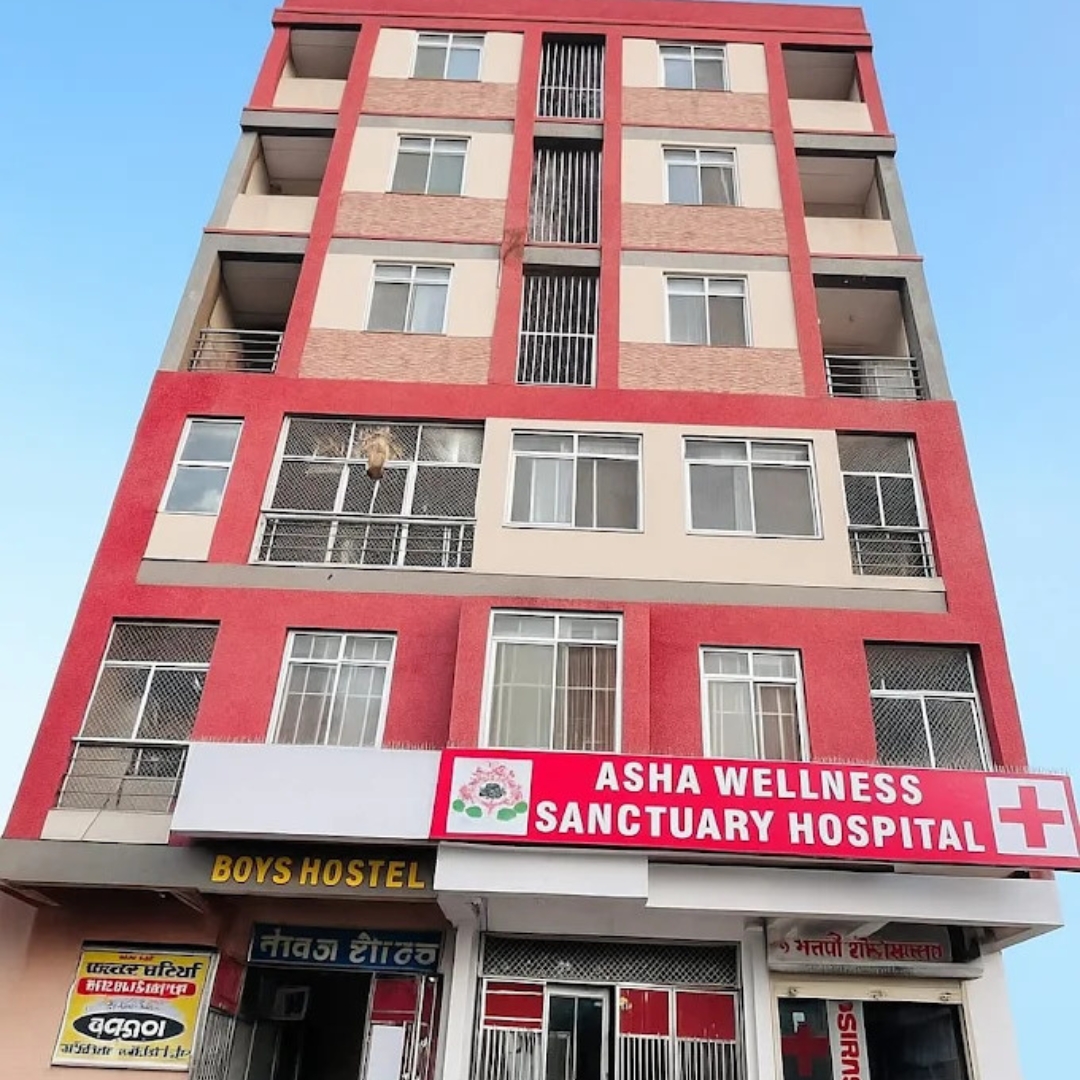
Understanding Indian Culture-Bound Syndromes
Cultural syndromes — previously called "culture-bound syndromes" — are clusters of symptoms, emotional experiences, and behavioral patterns recognized within specific cultural or social groups. In India, these syndromes arise from traditional explanatory models of illness, religious beliefs, sexual myths and anxieties, somatization patterns, and unique family structures.
The DSM-5 now uses the broader term "Cultural Concepts of Distress," which encompasses three categories: (1) Cultural syndromes, (2) Cultural idioms of distress, and (3) Cultural explanations or perceived causes. India has an especially rich diversity of culturally mediated psychiatric presentations, reflecting its vast diversity of communities, languages, and healing traditions.
ICD-11 similarly encourages culturally informed assessment rather than rigid labeling. Not every culturally influenced belief is a psychiatric disorder — diagnosis requires clinical assessment, contextual understanding, evaluation of distress and impairment, exclusion of medical causes, and full consideration of sociocultural norms.
Medical Disclaimer: This page is an educational reference for healthcare professionals, patients, and researchers. All content is for informational purposes only. Diagnosis and treatment must only be undertaken by qualified medical professionals. Content does not replace clinical evaluation. — Dr. Akash Parihar, MD Psychiatry, Asha Wellness Sanctuary, Kota.
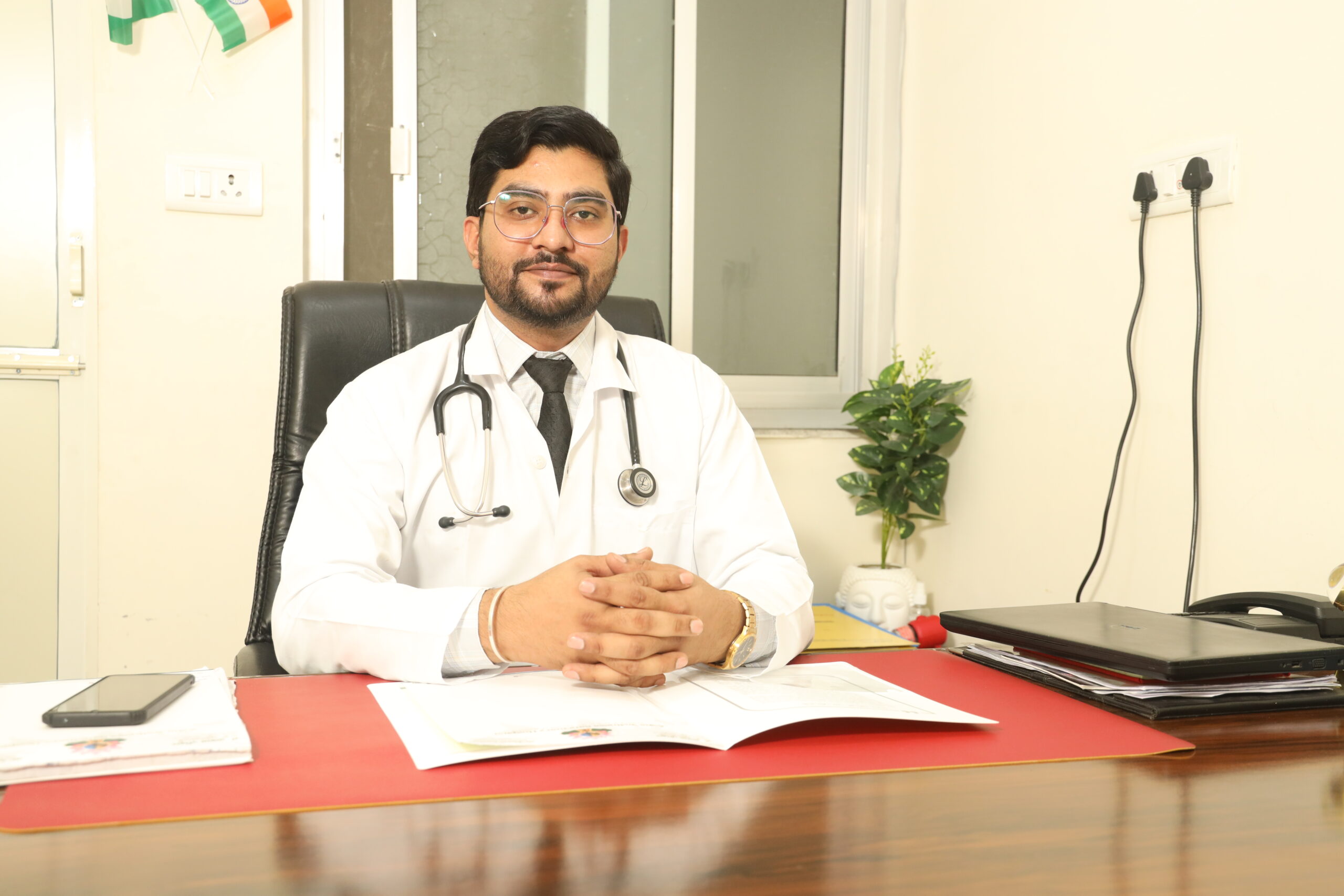
Dr. Akash Parihar
 Trained at Dr. S.N. Medical College
Meet the Specialists
Culturally sensitive, evidence-based psychiatric and psychological care in Kota
Dr. Akash Parihar
Leading psychiatrist in Kota with expertise in cultural syndromes, Dhat syndrome, addiction medicine, OCD, schizophrenia, and men's mental health. Trained at Dr. S.N. Medical College. QACP Certified.

Dr. Neha Mehra
RCI certified clinical psychologist and sex therapist specializing in women's mental health, sex therapy, CBT, couples counseling, and trauma-informed care. Available for confidential consultations at Asha Wellness Sanctuary.
38+ Indian Cultural Syndromes — Master Reference
Click any syndrome to expand full clinical details including symptoms, cultural basis, population, differential diagnosis, and treatment notes.
This reference is intended for educational and clinical use. Cultural syndromes are recognized in DSM-5 and ICD-11. A culturally shared belief is not automatically psychopathology. Always consult a qualified psychiatrist for diagnosis and treatment. For appointments: drakashpariharkota.in
Sexuality-Related Syndromes
1. Dhat Syndrome
Core Symptoms
- Fatigue and body weakness
- Anxiety and palpitations
- Sexual dysfunction
- Depression
- Concentration difficulties
- Whitish discolouration of urine (perceived)
- Somatic complaints
Cultural Basis
- Derived from Ayurvedic concepts
- Semen as highly refined body essence
- Each drop equates to 40 drops of blood (folk belief)
- Masturbation/emission viewed as harmful
- Quack advertisements amplify fears
Typical Population
- Young unmarried males
- Conservative/rural backgrounds
- Students and young adults
- Prevalent across India, Pakistan, Bangladesh
Differential Diagnosis
- Anxiety disorders (GAD)
- Major Depressive Disorder
- Somatic Symptom Disorder
- OCD with sexual obsessions
- Erectile dysfunction (organic)
Clinical Note: One of the most studied South Asian cultural syndromes. Treatment combines psychoeducation to dispel myths, cognitive behavioral therapy, and management of underlying anxiety or depression. Culturally sensitive counseling is essential to address shame.
Expert Dhat Treatment in Kota →2. Koro (Genital Retraction Syndrome)
Core Symptoms
- Intense panic and terror
- Repeated genital checking/pulling
- Tying of genitalia to prevent retraction
- Severe anxiety
- Social contagion in epidemic form
Indian Context & Triggers
- Reported in West Bengal and Assam
- Sexual guilt as trigger
- Cultural rumors and shared fears
- Epidemic form via mass psychogenic spread
Differential Diagnosis
- Panic disorder
- Body Dysmorphic Disorder
- Psychosis with somatic delusions
- Illness anxiety disorder
14. White Discharge Anxiety Syndrome (Swet Pradar)
Symptoms
- Fatigue and weakness
- Anxiety and worry
- Backache
- Sexual concerns
- Multiple somatic complaints
Cultural Belief & Notes
- Vaginal discharge = loss of vital energy
- Very common in gynecology-psychiatry overlap
- Psychoeducation highly effective
- Underlying depression often missed
15. Male Potency & Virility Anxiety Syndrome
Symptoms
- Performance anxiety
- Erectile anxiety (often psychogenic)
- Premature ejaculation concerns
- Guilt and shame
- Body weakness beliefs
Cultural Factors
- Pornography-driven unrealistic expectations
- Peer misinformation
- Traditional sexual myths
- Quack doctor advertisements
16. Brain Weakness Syndrome (Masturbation-Related)
Symptoms
- Memory complaints
- Concentration problems
- Fatigue and headache
- Academic anxiety
- Persistent somatic preoccupation
Population
- Male students (15–28 years)
- High-pressure coaching environments
- JEE/NEET aspirants in Kota
Supernatural Attribution Syndromes
3. Possession Trance Disorder
Core Symptoms
- Voice changes / speaking in "another voice"
- Amnesia for the episode
- Tremors and abnormal movements
- Aggression or unusual strength
- Dissociative episodes
- Religious or ritual behaviors
Types in India
- Devi (goddess) possession
- Ghost/bhoot possession
- Ancestor possession
- Spirit/djinn possession
- Demonic/evil spirit possession
Differential Diagnosis
- Dissociative Identity Disorder
- Psychosis / Schizophrenia
- Temporal lobe epilepsy
- Conversion disorder
- Bipolar mania
- PTSD with dissociation
Clinical Importance: The key diagnostic question is whether the experience causes significant distress, impaired function, or danger. Culturally sanctioned ritual possession at temples or shrines is not automatically pathological.
Expert Assessment →11. Spirit Attack / Ghost Fear Syndromes
Symptoms
- Intense fear and panic
- Sleep disturbance / nightmares
- Hallucination-like experiences
- Somatic symptoms
- Dissociation episodes
Cultural Explanations
- Nazar (evil eye) attack
- Jadu-tona (witchcraft)
- Bhoot (ghost) attachment
- Curse from enemy
- Black magic / jadoo
Differential Diagnosis
- Psychosis
- PTSD
- Anxiety disorders
- Sleep paralysis
- Dissociative disorders
12. Evil Eye (Nazar) Related Distress
Attributed Symptoms
- Sudden illness in children
- Excessive crying in infants
- Weakness and fatigue
- Business or relationship failure
- Anxiety and paranoia
Common Remedies
- Lemon and chili rituals
- Kala tika (black mark)
- Amulets and taweez
- Religious prayers and rituals
- Salt/mustard seed warding rituals
13. Sleep Paralysis with Supernatural Interpretation
Symptoms (Medical)
- Temporary inability to move on waking
- Chest pressure sensation
- Vivid hypnagogic hallucinations
- Sense of a presence in the room
- Intense fear and dread
Cultural Interpretation
- "Bhoot" (ghost) sitting on chest
- Spirit attack during sleep
- Demonic presence restraining body
- Ancestor communicating distress
25. Black Magic / Jadu-Tona Delusional Frameworks
Symptoms
- Fear and suspiciousness
- Somatic complaints
- Delusional beliefs about persecution
- Anxiety and hypervigilance
- Seeking counter-magic healers
Clinical Importance
- Can coexist with true psychotic disorders
- Assessment for schizophrenia essential
- Avoid direct confrontation of belief
- Build therapeutic alliance first
26. Culture-Influenced Paranoid Syndromes
Common Themes
- Neighbor jealousy causing illness
- Evil eye from community
- Poisoning fears (food/water)
- Black magic from relatives
- Community/caste targeting
Differential Diagnosis
- Delusional disorder (persecutory type)
- Paranoid schizophrenia
- Severe anxiety with paranoid ideation
- Substance-induced psychosis
Dissociative / Trance / Conversion Syndromes
9. Conversion Disorder / Hysteria Presentations
Common Indian Presentations
- Pseudoseizures (non-epileptic attacks)
- Fainting spells
- Paralysis of limbs
- Loss of voice (aphonia)
- Trance states
- Abnormal movements
- Sudden blindness or deafness
Social Triggers
- Family conflict and marital distress
- Academic pressure (exams)
- Trauma and abuse history
- Gender role pressures
- Interpersonal crisis
Clinical Note: Frequently seen in emergency and rural settings. EEG, MRI, and neurological examination essential to exclude organic causes. Psychotherapy (often brief) is highly effective.
Psychotherapy Services →10. Mass Hysteria / Mass Psychogenic Illness
Symptoms
- Fainting and collapse
- Tremors
- Hyperventilation
- Nausea and vomiting
- Fear reactions
- Abnormal movements
Common Settings
- Schools and colleges
- Hostels and dormitories
- Factories and workplaces
- Religious gatherings (melas)
- Villages during epidemics of fear
Management
- Separate affected individuals
- Calm, confident reassurance
- Remove from triggering environment
- Address underlying group anxiety
- Avoid media amplification
17. Exam Stress Dissociative Syndromes (Kota Context)
Symptoms
- Fainting before/during exams
- Pseudoseizures
- Panic attacks
- Dissociative amnesia
- Tremors and functional paralysis
Context (Kota)
- Intense academic pressure
- Parental expectations
- Peer comparison stress
- Fear of failure and shame
- Isolation from family
28. Child Possession Syndromes
Features
- Sudden personality or behavioral change
- Trance or unresponsive episodes
- Unusual vocalizations
- Aggression or self-harm
- Dissociative symptoms
Common Triggers
- Physical or emotional trauma
- Abuse history
- Severe family conflict
- Academic stress
- Bereavement
29. Bereavement / Widowhood Possession States
Symptoms
- Hearing deceased loved one's voice
- Trance states during grief
- Emotional dyscontrol
- Somatic distress
- Speaking as if possessed by deceased
Clinical Notes
- Normal grief vs. pathological grief
- Cultural context of mourning rituals
- Assess for Complicated Grief Disorder
- Culturally sensitive bereavement therapy
27. Trance Healing Dependency Syndromes
Features
- Repeated ritual attendance
- High suggestibility
- Temporary symptom relief followed by relapse
- Financial exploitation risk
- Delayed psychiatric presentation
Clinical Approach
- Avoid dismissing faith healer experience
- Bridge between cultural and biomedical models
- Family psychoeducation essential
- Build trust before challenging beliefs
24. Culture-Related Catatonic States
Presentations
- Prolonged mutism and immobility
- Religious stupor (meditation-associated)
- Fasting-associated catatonia
- Waxy flexibility
- Echolalia or echopraxia
Differential Diagnosis
- Catatonic schizophrenia
- Mood disorder with catatonia
- NMS (neuroleptic malignant syndrome)
- Metabolic or neurological causes
Somatic Distress Syndromes
5. Sinking Heart Syndrome (Dil Doob-na)
Symptoms
- Chest heaviness / sinking sensation
- Palpitations
- Fatigue and weakness
- Heat sensations in chest
- Emotional distress
- Anxiety and worry
Associated Factors
- Family conflict
- Financial failure or debt
- Shame and social humiliation
- Marital problems
- Widowhood and loss
Differential Diagnosis
- Panic disorder
- Major Depressive Disorder
- Cardiac disease (must exclude)
- Somatic Symptom Disorder
6. Body Heat Syndromes (Garmi)
Symptoms
- Mouth ulcers / acne (attributed)
- Irritability and anger
- Sexual weakness ("heat depletes")
- Burning sensations
- Fatigue and sleep disturbance
Common Attributed Causes
- Excessive masturbation ("heat-generating")
- Spicy or "hot" foods
- Psychological stress
- Sexual activity
- Anger and emotional arousal
7. Nerve Weakness Syndrome (Naris Kamzori)
Symptoms
- Fatigue and exhaustion
- Tremors and shakiness
- Anxiety and nervousness
- Low confidence
- Sleep problems
- Sexual weakness complaints
Often Associated With
- Major Depressive Disorder
- Generalized Anxiety Disorder
- Chronic stress and overwork
- Somatization disorder
8. Somatic Depression Presentations
Common Somatic Complaints
- Headache (most common)
- Body pain / aches
- Gastric symptoms
- Weakness and fatigue
- Burning sensations
- Sexual weakness
Clinical Risk
- Underlying depression often missed
- Patients cycle through general practitioners
- Multiple unnecessary investigations
- Treatment delay averages 3–5 years
4. Jhin-Jhinia / Tingling Syndrome
Symptoms
- Paresthesia (tingling, crawling)
- Burning sensations
- Generalized weakness
- Anxiety and somatic preoccupation
Differential Diagnosis
- Anxiety with hyperventilation
- Peripheral neuropathy (medical)
- Somatic Symptom Disorder
- Hyperventilation syndrome
Social Pressure & Life Event Syndromes
32. Marriage Pressure Syndrome
Symptoms
- Anxiety and panic attacks
- Depression and low self-worth
- Obsessional thinking about marriage
- Suicidal ideation (in severe cases)
- Sleep disturbance
Common In
- Women (late 20s-30s)
- Urban professionals
- Conservative family settings
- Individuals with past relationship trauma
31. Infertility-Linked Cultural Distress
Symptoms
- Severe depression
- Somatization
- Marital distress and conflict
- Anxiety and shame
- Dissociative episodes
- Suicidal ideation
Cultural Factors
- Infertility attributed to past sins
- Blame placed on wife by default
- Social exclusion from rituals
- Pressure from in-laws
33. Dowry-Related Distress Syndromes
Symptoms
- PTSD
- Severe Depression
- Anxiety disorders
- Dissociation
- Self-harm and suicidal ideation
Clinical Notes
- Safety assessment is priority
- Coordinate with legal/social services
- Trauma-focused therapy
- Family intervention where safe
30. Menstrual Restriction Distress Syndromes
Symptoms
- Shame and embarrassment
- Anxiety during menstrual periods
- Social isolation distress
- Depressive symptoms
- Guilt around bodily functions
Notes
- Particularly common in rural settings
- Adolescent girls especially affected
- Psychoeducation and family work essential
34. Farmer Distress & Spirit Attribution Syndromes
Features
- Somatic symptoms of depression
- Helplessness and hopelessness
- Spiritual/supernatural explanations for failure
- High suicide risk
- Substance use as coping
Risk Factors
- Crop failure and debt
- Drought and climate stress
- Isolation in rural settings
- Masculine stoicism preventing help-seeking
35. Culture-Linked Suicide Beliefs & Risk
Cultural Risk Factors
- Honor and shame culture
- Academic failure stigma (JEE/NEET)
- Relationship failure and family opposition
- Financial collapse and debt
- Domestic violence
Clinical Notes
- Collectivistic structures intensify shame
- Suicide seen as "solution to family honor"
- Emergency assessment essential
- Immediate psychiatric referral
⚠ Emergency: If you or someone you know is in crisis, please call iCall: 9152987821 or Vandrevala Foundation: 1860-2662-345 (24/7). Please seek immediate help.
Emergency Psychiatric Help →Cognitive, Religious & Spiritual Syndromes
18. Religious Guilt Syndrome
Symptoms
- Excessive guilt and shame
- Religious obsessions
- Compulsive prayer and rituals
- Fear of divine punishment
- Anxiety and depression
Overlap
- OCD (scrupulosity subtype)
- Major Depressive Disorder
- Generalized Anxiety Disorder
19. Culture-Influenced OCD Presentations
Common Obsessional Themes
- Religious contamination fears
- Blasphemy and sin obsessions
- Ritual purity (shuddhi)
- Sexual guilt obsessions
- Caste-based contamination
- Fear of offending deities
Treatment
- ERP (Exposure & Response Prevention)
- SSRI medications
- Culturally adapted CBT
- Work with religious beliefs sensitively
20. Ascetic / Spiritual Psychosis-like States
Symptoms
- Hearing divine voices
- Grandiosity (messianic beliefs)
- Dramatically reduced sleep
- Religious preoccupation
- Wandering and self-neglect
- Fasting and austerities
Diagnostic Challenge
- Mystical experience vs. psychosis
- Cultural and religious context essential
- Assess for Bipolar I (manic episode)
- Assess for Schizophrenia spectrum
- Consider Brief Psychotic Disorder
21. Fakir / Sadhu Identity States
Features
- Sudden departure from home
- Renouncing identity and possessions
- Deep religious immersion
- Wandering behavior
- Family distress
Differential
- Fugue state (dissociative)
- Manic episode
- Psychosis
- Deliberate spiritual renunciation (normal)
22. Amok-like Violent Outbursts
Features
- Sudden explosive violence
- Preceded by brooding period
- Exhaustion or amnesia after
- Possible suicidal component
Differential Diagnosis
- Intermittent Explosive Disorder
- Psychosis
- Substance intoxication
- Mania with violence
- PTSD rage episodes
23. Latah-like Startle Syndromes
Features
- Exaggerated startle to stimuli
- Automatic obedience to commands
- Echolalia (repeating others' words)
- Echopraxia (mimicking movements)
Differential Diagnosis
- Tourette syndrome
- Hyperekplexia
- Anxiety disorders
- Dissociative states
Emerging Modern Syndromes (Urban India)
36. Hikikomori-like Social Withdrawal (Urban India)
Features
- Extreme social isolation (months-years)
- Gaming / social media dependency
- Refusal to attend school/work
- Social avoidance
- Functional decline
Associated
- Social anxiety disorder
- Depression
- Gaming disorder (ICD-11)
- Autism spectrum (undiagnosed)
- Post-COVID social anxiety
37. Cyberchondria / Internet Health Anxiety Syndromes
Features
- Excessive symptom checking online
- Fear of neurological or cardiac disease
- Repeated doctor shopping
- Reassurance-seeking cycles
- Health anxiety amplified by search engines
Modern Drivers
- Google search algorithm bias toward serious diagnoses
- WhatsApp health misinformation
- COVID-19 health anxiety legacy
- Social media symptom communities
38. Technology Possession Beliefs
Features
- Belief technology is "spiritually harmful"
- Fear of electromagnetic mind control
- Conspiracy belief integration with traditional beliefs
- Anxiety and avoidance behaviors
Clinical Notes
- Assess for psychosis
- Social media misinformation role
- Psychoeducation approach
- Media literacy component in treatment
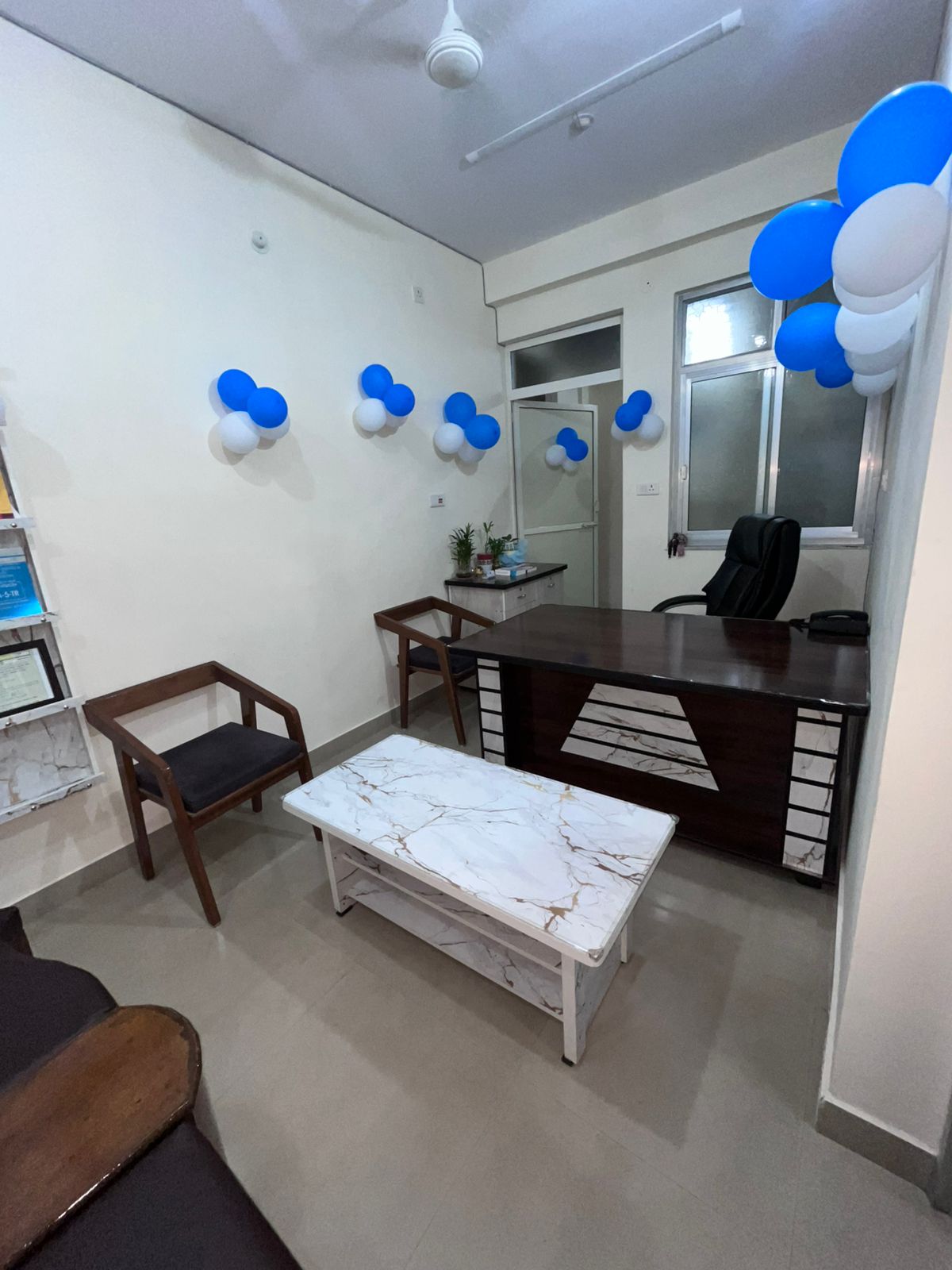
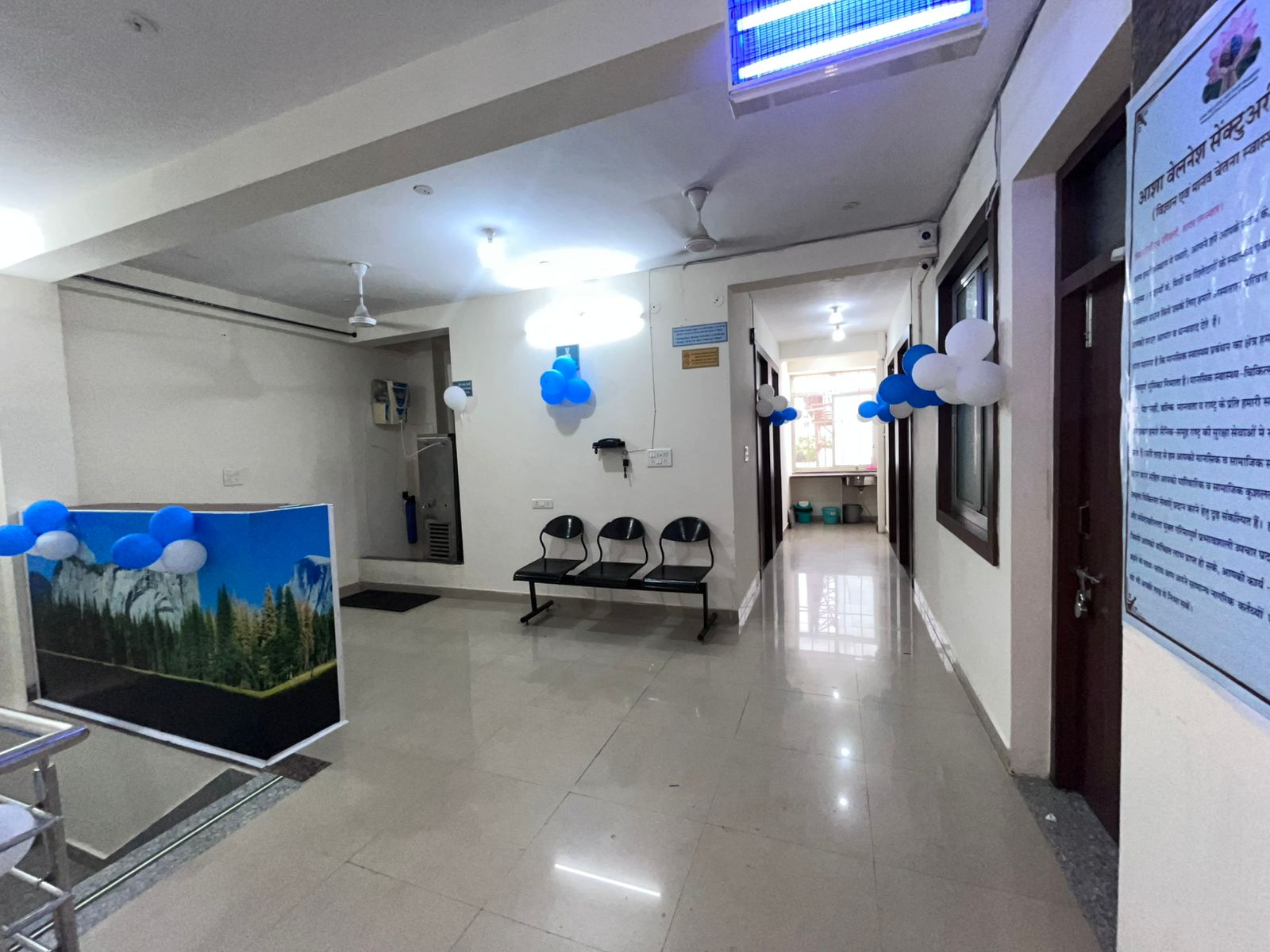
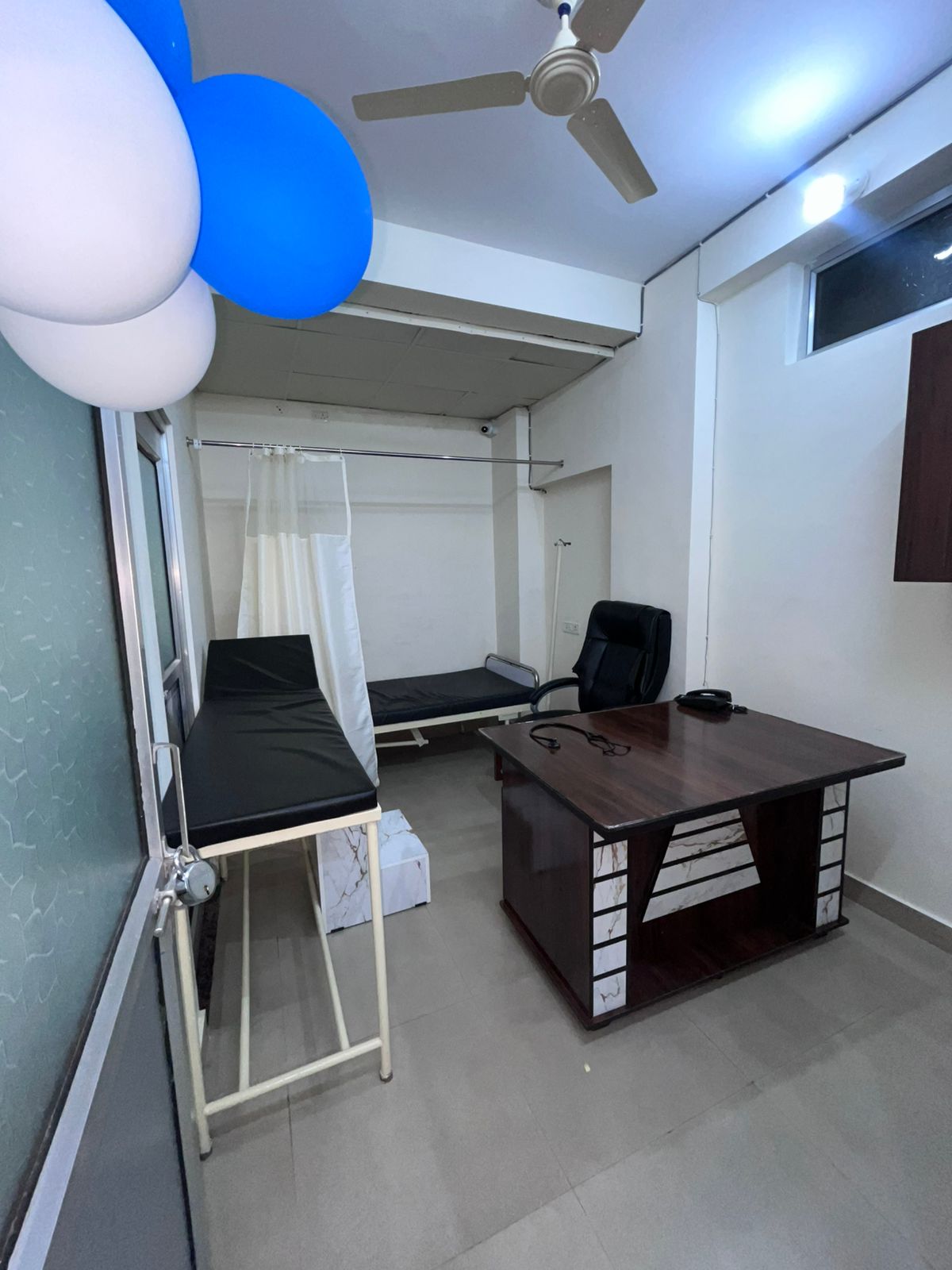
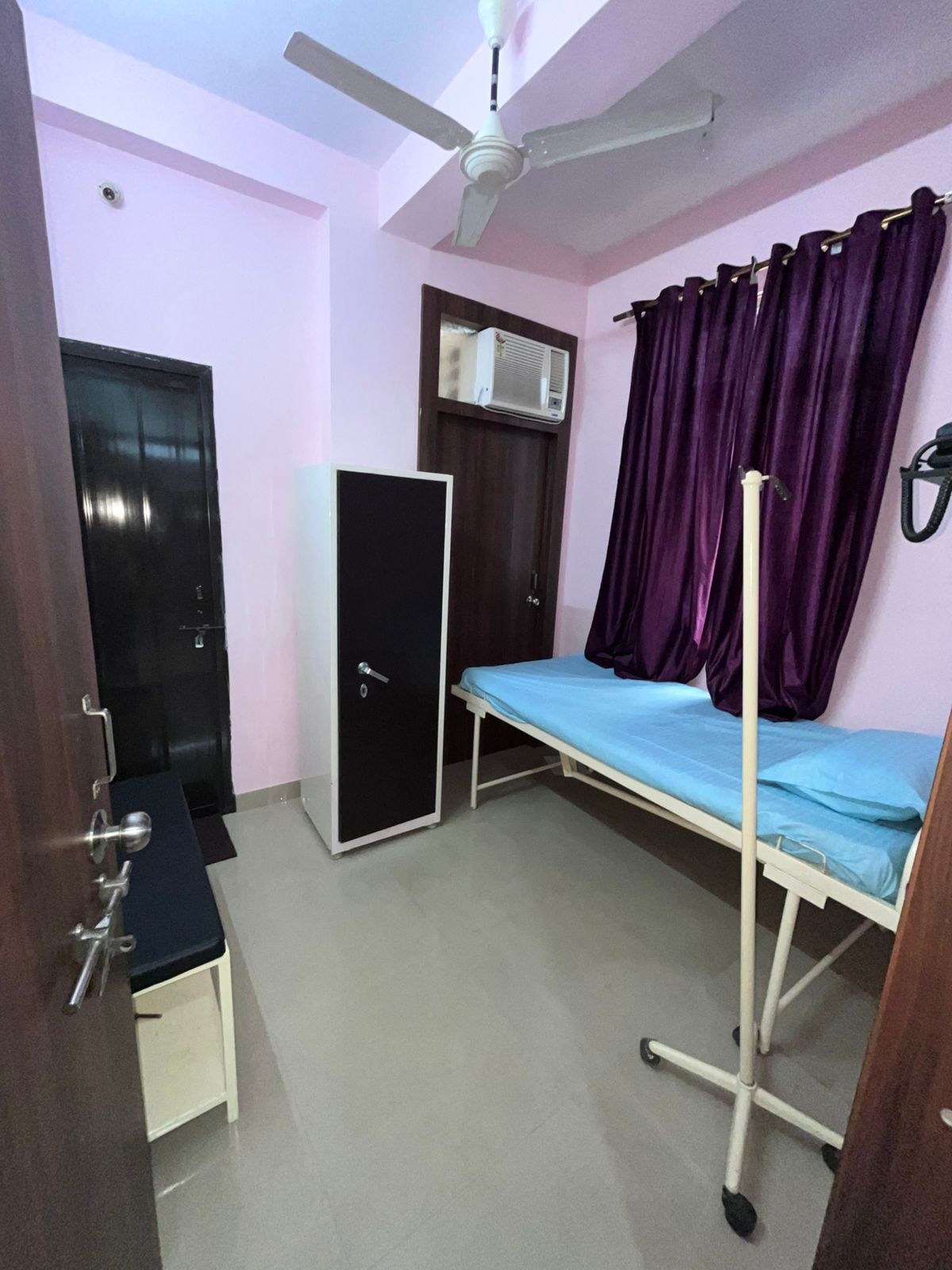
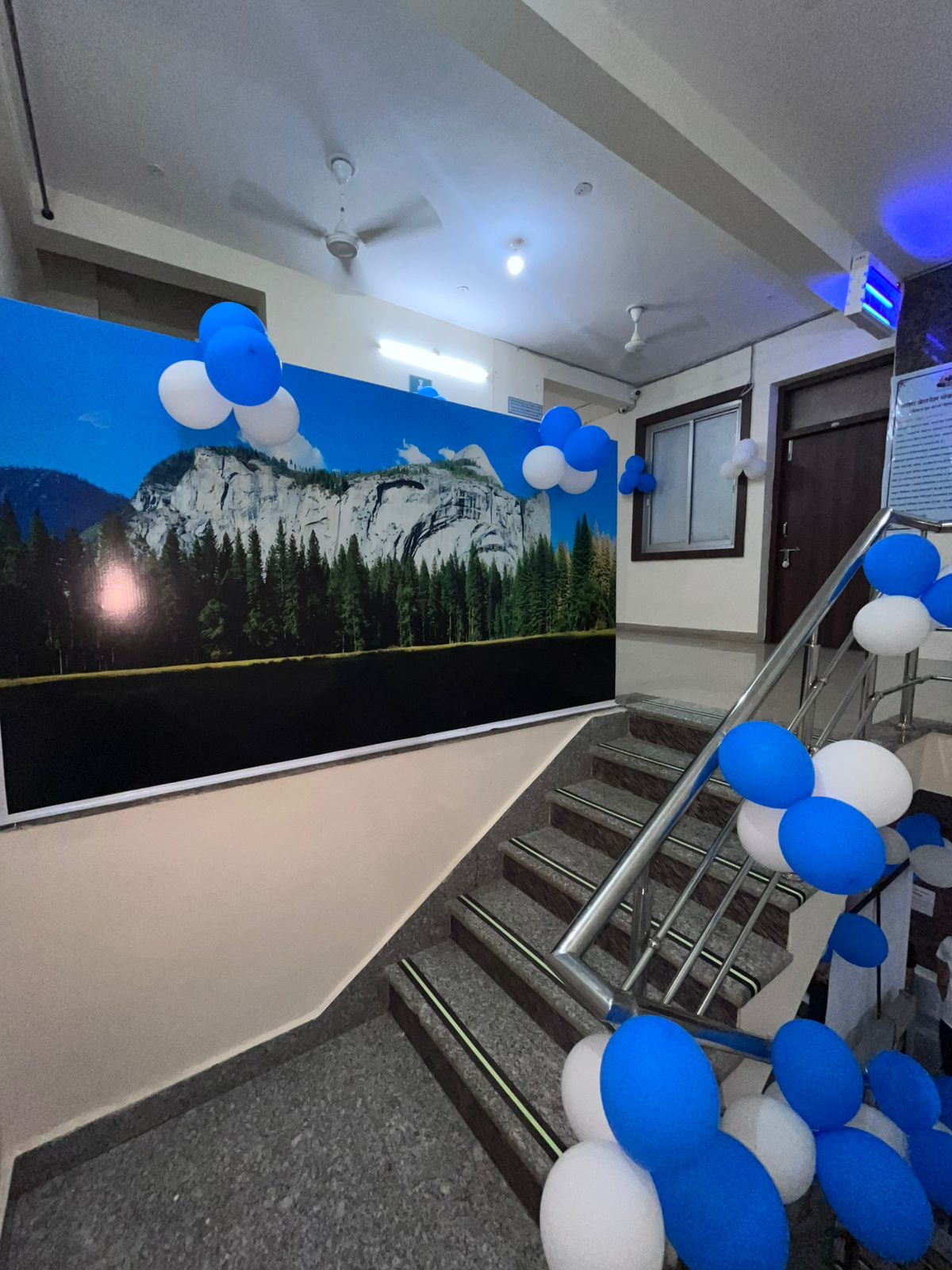
Asha Wellness Sanctuary — Kota
A compassionate, private, and professionally equipped psychiatric and wellness centre in the heart of Kota, Rajasthan.
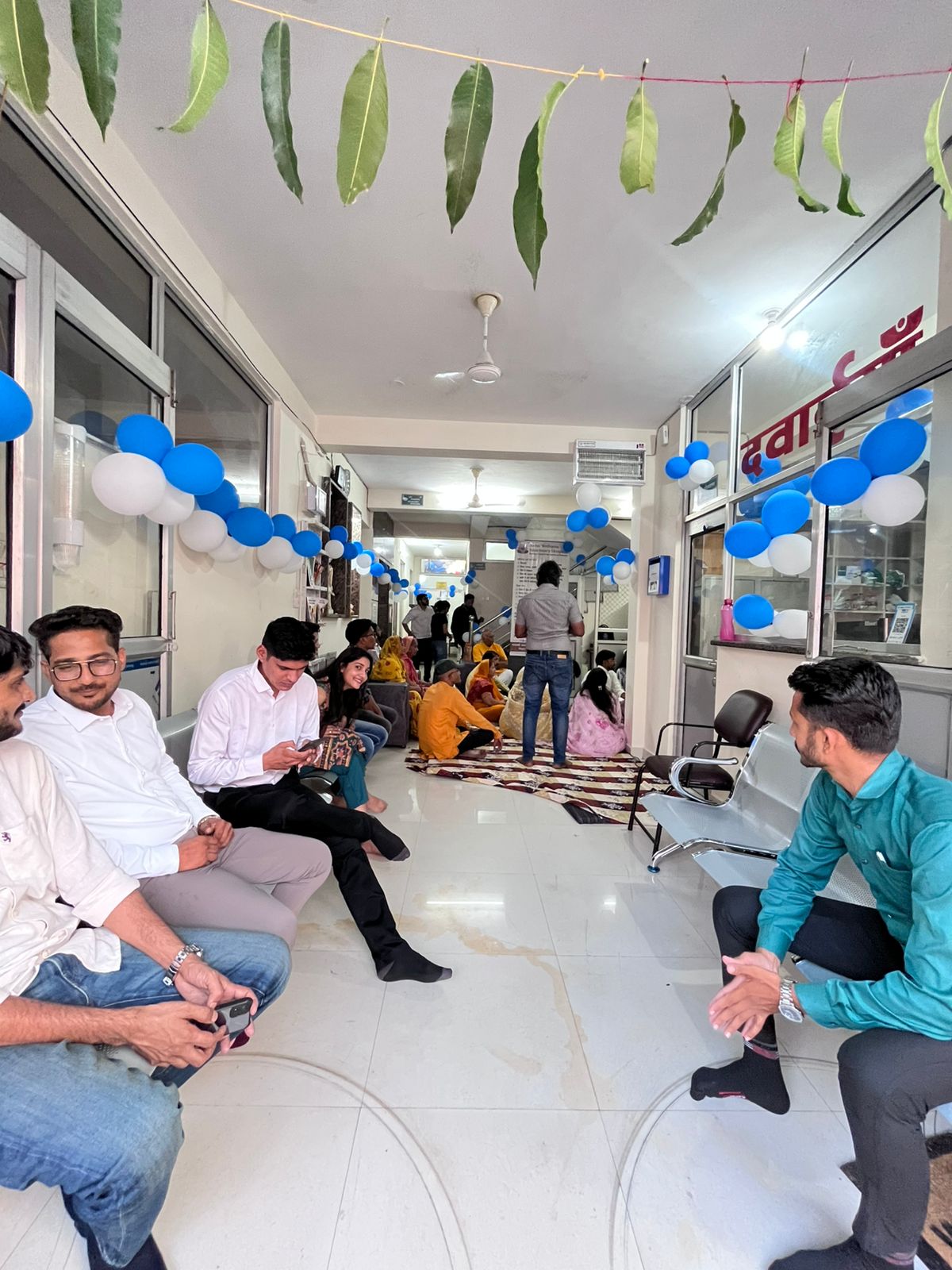
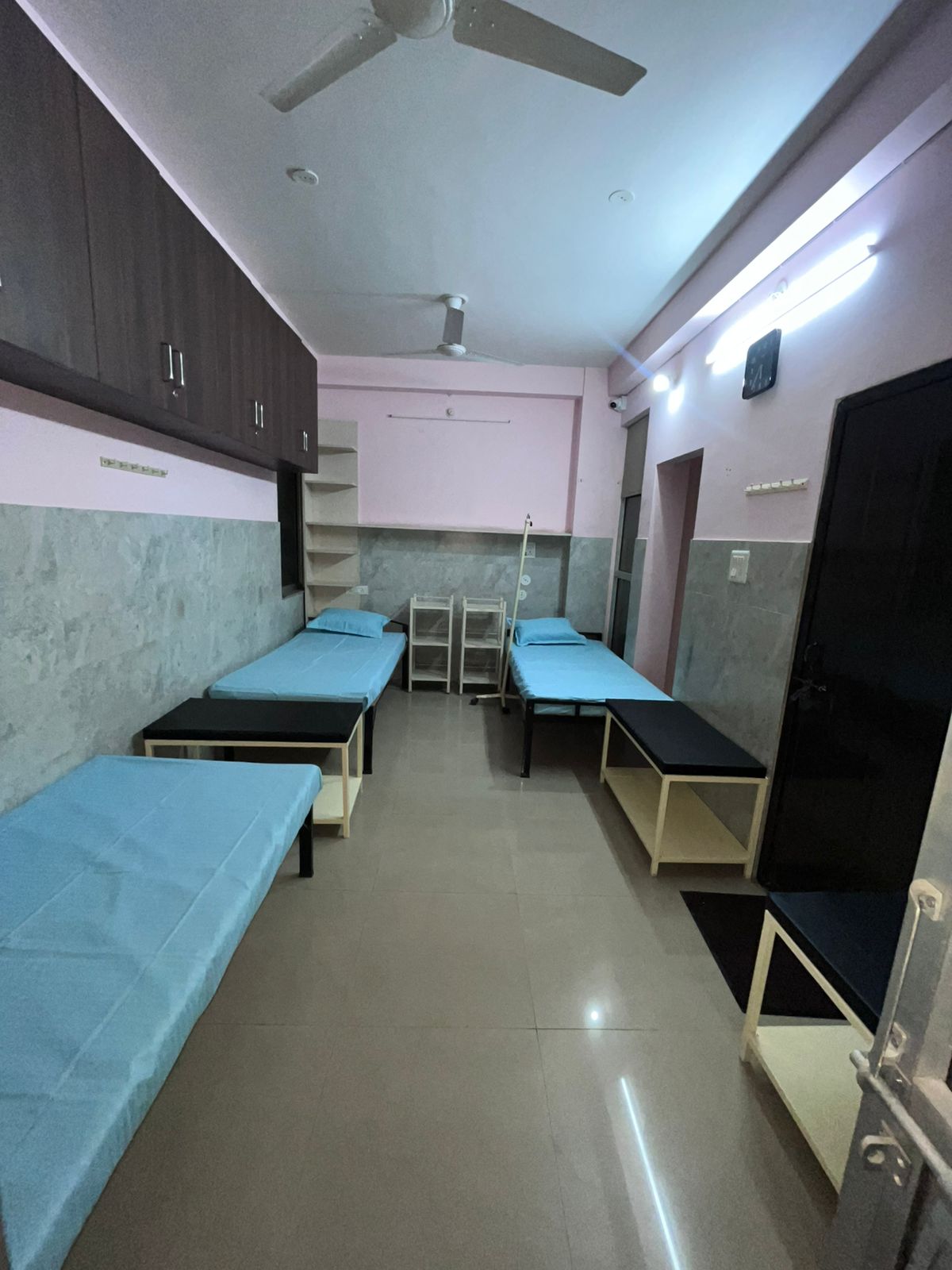
⭐ 4.9/5 — 500+ Verified Patient Reviews
Real patients, real recovery. Dr. Akash Parihar and Dr. Neha Mehra have helped hundreds of patients across Rajasthan and beyond.
"Dr. Akash Parihar explained Dhat Syndrome in a way that removed all my shame and fear. His scientific approach combined with cultural understanding gave me real relief after years of suffering."
"I was suffering from what I thought was spirit possession. Dr. Parihar diagnosed dissociative disorder and treated me with therapy. I am fully recovered now. Truly life-changing."
"Best psychiatrist in Kota. Very knowledgeable about Indian beliefs and psychology. Treated my anxiety and somatic complaints with great patience and deep understanding."
"Dr. Neha Mehra helped me understand my psychological distress during my menstrual restrictions. I felt heard, not judged. Highly recommend Asha Wellness Sanctuary to all women."
"My son was having pseudoseizures during exam stress. The team here correctly diagnosed conversion disorder and he recovered fully in 3 months. We are forever grateful."
"I traveled from Jhalawar to see Dr. Parihar. Worth every kilometer. He diagnosed my mother's condition correctly when others had failed for years. Excellent, compassionate care."
"Dr. Akash Parihar explained Dhat Syndrome in a way that removed all my shame and fear. His scientific approach combined with cultural understanding gave me real relief after years of suffering."
"I was suffering from what I thought was spirit possession. Dr. Parihar diagnosed dissociative disorder and treated me with therapy. I am fully recovered now."
"Best psychiatrist in Kota. Very knowledgeable about Indian beliefs and psychology. Treated my anxiety with great patience and deep understanding."
"My son was having pseudoseizures during exam stress. The team correctly diagnosed conversion disorder and he recovered fully in 3 months."
"I traveled from Jhalawar to see Dr. Parihar. Worth every kilometer. He diagnosed my mother's condition correctly when others had failed."
All Psychiatric & Sexology Services — Kota
Comprehensive evidence-based care across all areas of mental health, addiction medicine, and sexual health.
Best Psychiatrist in Kota
Expert psychiatric care
Depression Treatment
Evidence-based therapy
Anxiety Treatment
GAD, Panic, Social Anxiety
OCD Treatment (ERP)
Gold-standard ERP therapy
Bipolar Disorder
Mood stabilization care
Schizophrenia
Long-term specialist care
PTSD & Trauma
Trauma-focused therapy
Old Age Psychiatry
Dementia & geriatric care
Women's Mental Health
Perinatal, postpartum care
Medical Sexologist
Expert confidential care
Psychotherapy
CBT, DBT, Psychodynamic
Marriage Counseling
Couples & family therapy
Child Psychiatry
ADHD, autism, school issues
Men's Health
Sexual health, wellness
De-Addiction & Rehab
Alcohol, opioids, smoking
Dhat Syndrome
Expert specialist treatment
ADHD Treatment
Children & adults
Panic Attack
Rapid effective relief
Sleep Disorders
Insomnia, sleep hygiene
Anger Management
Evidence-based therapy
Online Consultation
Across Rajasthan
Student Mental Health
JEE/NEET support, Kota
Sex Therapy
By Dr. Neha Mehra
Nasha Mukti Kendra
De-addiction centre Kota
Gupt Rog Doctor
Confidential sexology
Brain Mapping
Diagnostic pathology
LGBTQ+ Mental Health
Affirming, safe care
Serving Patients Across Rajasthan & Madhya Pradesh
Can't travel to Kota? Our experts are accessible from across the region — in person from nearby cities, or via secure online consultation anywhere in India.
Or call/WhatsApp for same-day online consultations from the comfort of your home.
FAQs — Indian Cultural Syndromes
Common questions answered by Dr. Akash Parihar, MD Psychiatry, Kota
What is Dhat Syndrome and is it a real medical condition?
Dhat Syndrome is a recognized culture-bound syndrome in South Asia involving intense anxiety and fear related to perceived semen loss through urine, nocturnal emission, or masturbation. It is listed in DSM-5 as a Cultural Concept of Distress and is a genuinely real clinical condition — not simply superstition. Treatment combines psychoeducation to dispel myths, cognitive behavioral therapy (CBT), and management of underlying anxiety or depression. Dr. Akash Parihar offers specialized Dhat Syndrome treatment in Kota with proven results.
What is Koro syndrome and is it found in India?
Koro, also called Genital Retraction Syndrome, is a culture-bound syndrome involving intense fear that the penis is shrinking or retracting into the abdomen — which the sufferer believes will cause death. In India, it has been reported in mass outbreak form in West Bengal and Assam. It requires psychiatric evaluation to rule out panic disorder, body dysmorphic disorder, or psychosis. Treatment involves reassurance, psychoeducation, and management of underlying anxiety.
Is spirit possession a psychiatric disorder?
Possession trance experiences exist on a spectrum. Culturally sanctioned ritual possession in religious contexts — such as at temples, dargahs, or during religious festivals — is not automatically a psychiatric disorder. However, when possession episodes cause significant distress, functional impairment, amnesia, or loss of control, psychiatric evaluation is essential to rule out dissociative disorders, conversion disorder, temporal lobe epilepsy, or psychosis. Dr. Akash Parihar provides culturally sensitive assessment in Kota that respects your beliefs while ensuring accurate diagnosis.
What is Sinking Heart Syndrome (Dil Doob-na)?
Sinking Heart Syndrome, particularly common in Punjabi communities, refers to the distressing sensation that the heart is literally sinking or dropping due to social failure, shame, grief, or emotional burden. Symptoms include chest heaviness, palpitations, fatigue, and anxiety. It often represents a somatic expression of depression or anxiety disorder. Medical investigation to exclude cardiac disease is essential, followed by psychiatric evaluation. It responds well to antidepressants and psychotherapy.
How are Indian cultural syndromes diagnosed?
Diagnosis requires a thorough psychiatric evaluation that includes detailed clinical history, cultural formulation interview (CFI as per DSM-5), exclusion of organic medical causes through investigation, and careful assessment of distress and functional impairment. A culturally competent psychiatrist — one familiar with Indian belief systems — is essential. Dr. Akash Parihar uses an evidence-based, culturally informed approach at Asha Wellness Sanctuary, Kota, treating each patient with dignity and respect for their cultural background.
Can cultural syndromes be treated with modern psychiatry?
Yes — most Indian cultural syndromes respond very well to a combination of psychoeducation (correcting myths and misinformation), cognitive behavioral therapy (CBT), culturally adapted psychotherapy, and when needed, psychiatric medications for underlying anxiety, depression, or OCD. The key is integrating modern psychiatric care with genuine cultural sensitivity — not dismissing the patient's belief framework, but working within it to achieve healing.
What is White Discharge Anxiety Syndrome in women?
This syndrome involves excessive anxiety and psychological distress related to normal physiological leucorrhea (vaginal discharge), which many women mistakenly attribute to a serious illness or the loss of vital energy — paralleling the male Dhat syndrome belief. It commonly presents with fatigue, weakness, backache, and anxiety. Gynecological reassurance, psychoeducation, and psychiatric counseling are the cornerstones of treatment. Dr. Neha Mehra at Asha Wellness Sanctuary specializes in women's mental health including this condition.
Are cultural syndromes the same as mental illness?
Not at all. A culturally shared belief is not automatically psychopathology. Many cultural syndrome presentations represent normal cultural expression, folk health beliefs, or ritual behaviors that are meaningful within their community. A syndrome becomes clinically significant only when it causes significant distress, impairs daily functioning, creates danger to self or others, or involves loss of reality testing. Psychiatric evaluation by a culturally informed clinician is essential to distinguish normal cultural expression from disorder requiring treatment.
What is Mass Hysteria or Mass Psychogenic Illness in India?
Mass Psychogenic Illness (commonly called Mass Hysteria) is the collective spread of physical symptoms — such as fainting, tremors, hyperventilation, or fear reactions — among a group of people without an identifiable organic cause. In India, outbreaks have been reported in schools, hostels, factories, and religious gatherings. The spread is through social contagion and shared anxiety. Treatment involves separating affected individuals, providing calm and confident reassurance, removing them from the triggering environment, and addressing underlying group anxiety or stress.
Where can I get treatment for Indian cultural syndromes in Kota?
Dr. Akash Parihar (MD Psychiatry, QACP Certified) at Asha Wellness Sanctuary, Kota, specializes in the culturally sensitive diagnosis and treatment of all Indian cultural syndromes — including Dhat Syndrome, Koro, Possession Trance, Sinking Heart Syndrome, Conversion Disorder, and more. Online consultations are also available across Rajasthan and India. Visit drakashpariharkota.in or call for a confidential appointment. All consultations are private and judgment-free.
Related Articles & Guides
Expert-authored content on mental health, cultural psychiatry, and wellbeing from Dr. Akash Parihar
Dhat Syndrome: Cultural Context and Scientific Treatment
A deep dive into the most common Indian cultural syndrome — myths, science, and modern treatment.
Read More →Breaking the Stigma: Mental Health in Indian Society
Understanding and dismantling the cultural barriers that prevent Indians from seeking mental health help.
Read More →Managing Exam Stress: A Guide for Kota's Coaching Students
Practical strategies for JEE/NEET aspirants facing high pressure in Kota's competitive coaching environment.
Read More →OCD Treatment: Beyond Myths and Misconceptions
Separating fact from fiction about OCD — including its cultural presentations unique to India.
Read More →Understanding Depression vs. Sadness: The Indian Guide
When normal sadness becomes clinical depression — especially as somatic symptoms in Indian patients.
Read More →10 Signs You Need a Psychiatrist
Clear, culturally relevant signs that indicate it's time to seek professional psychiatric help.
Read More →Experiencing Any of These Symptoms?
Get a confidential, judgment-free consultation with Dr. Akash Parihar — Kota's most trusted psychiatrist and sexologist. Online and in-person available.